v
See USE NOTICE on Home Page. |
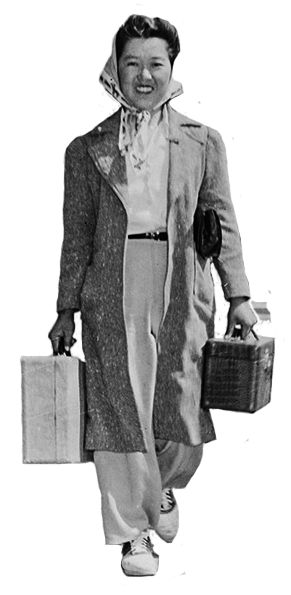
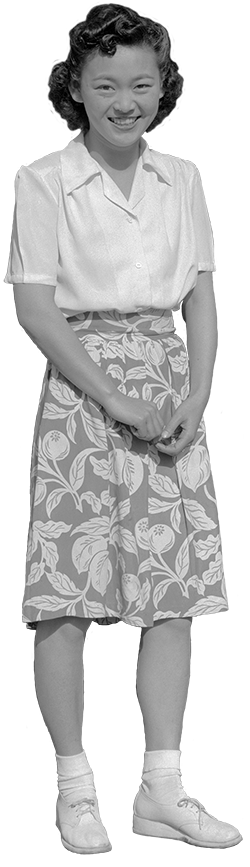
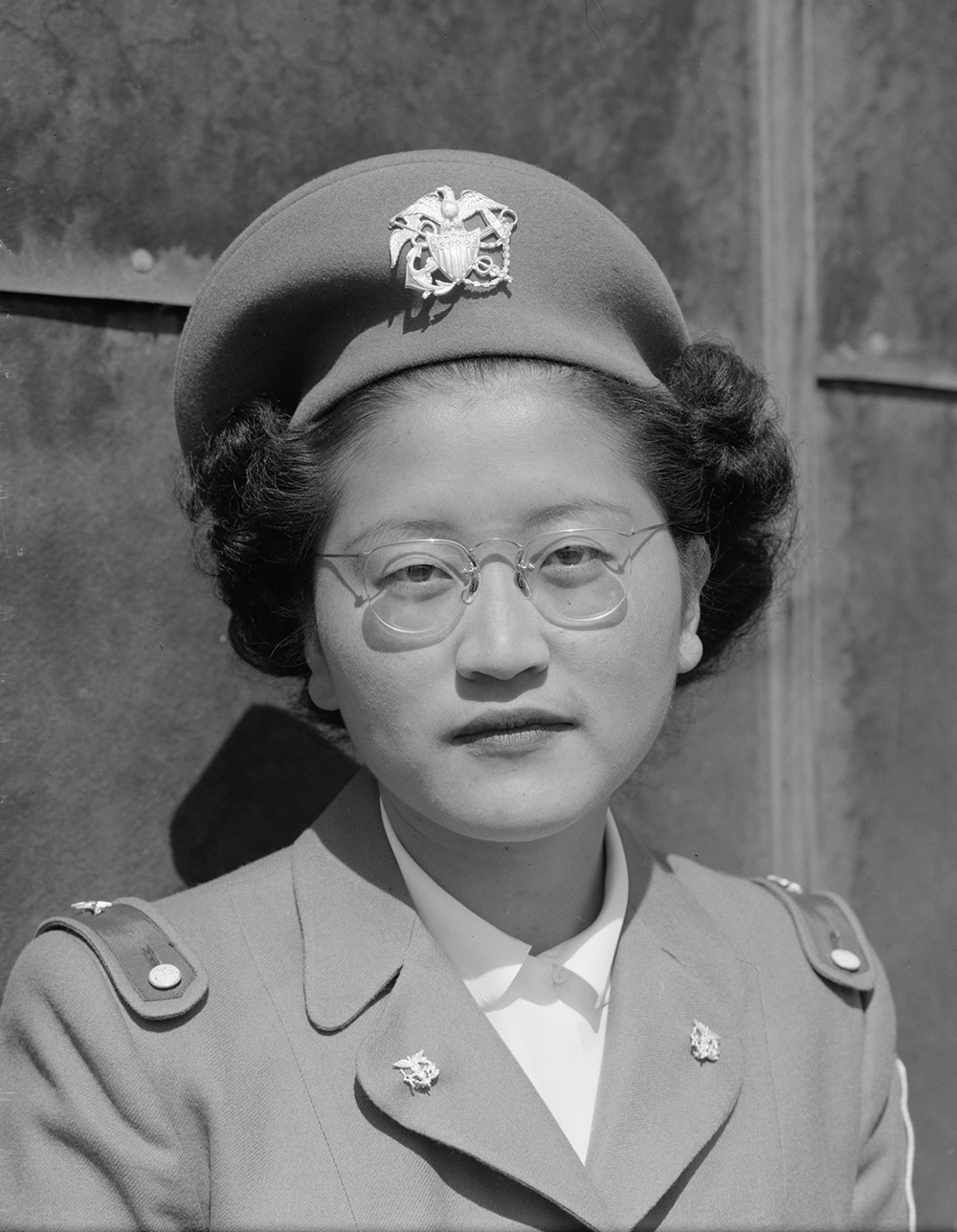
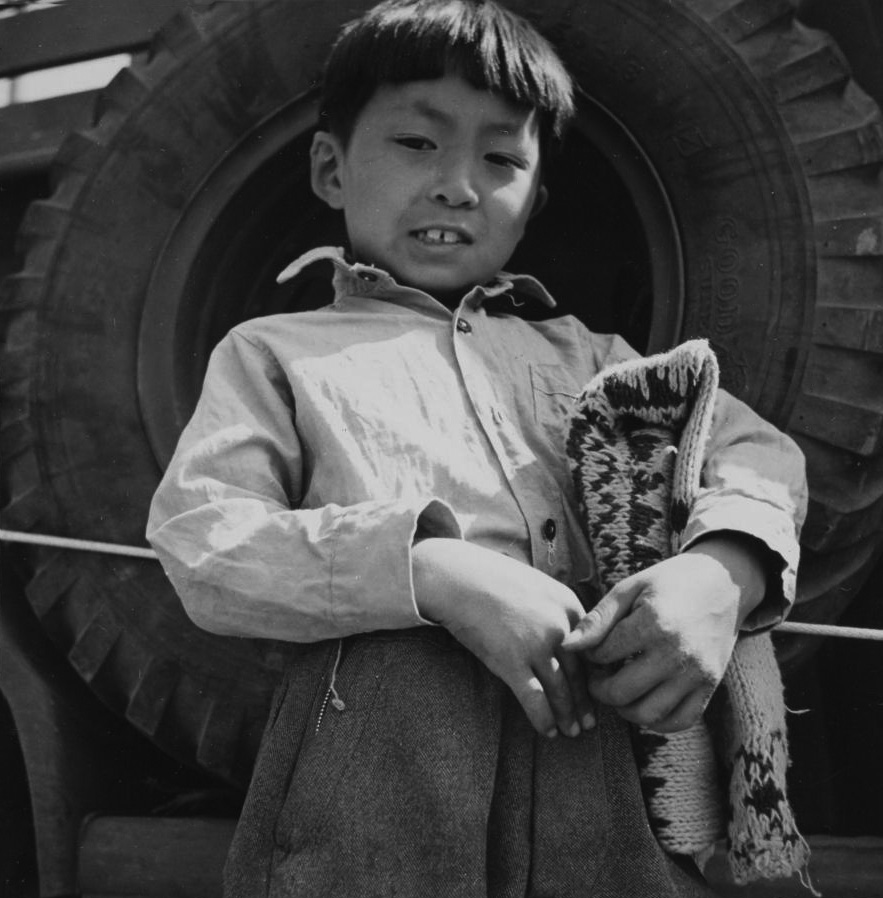
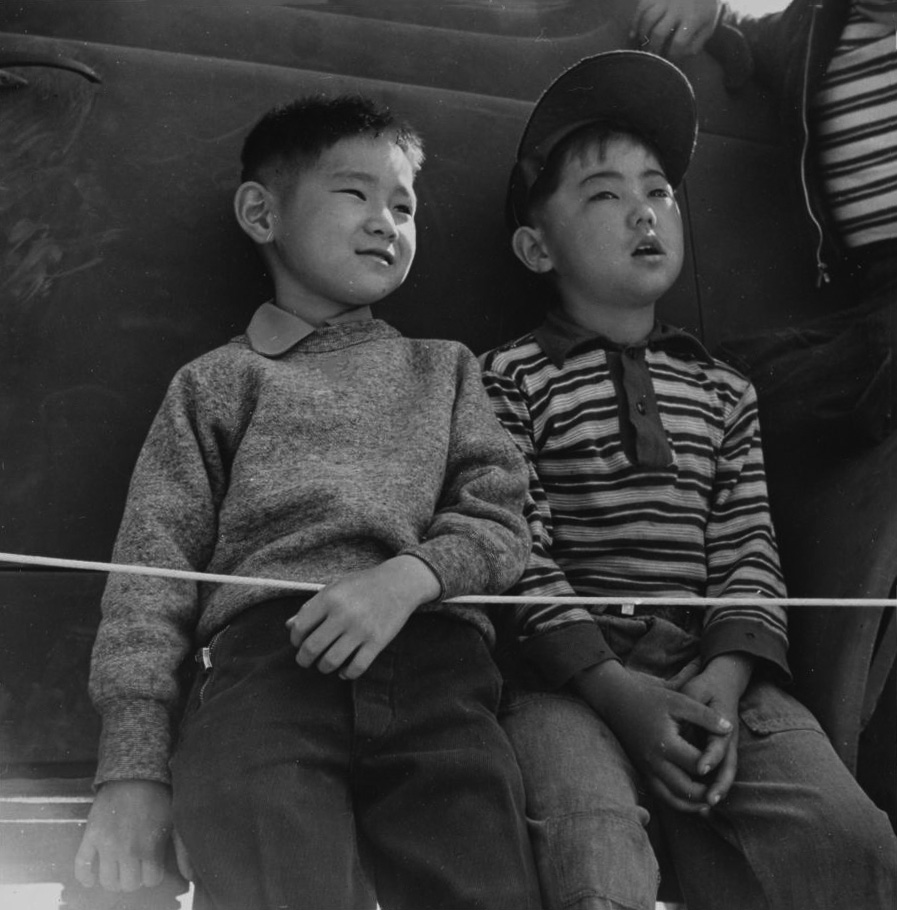
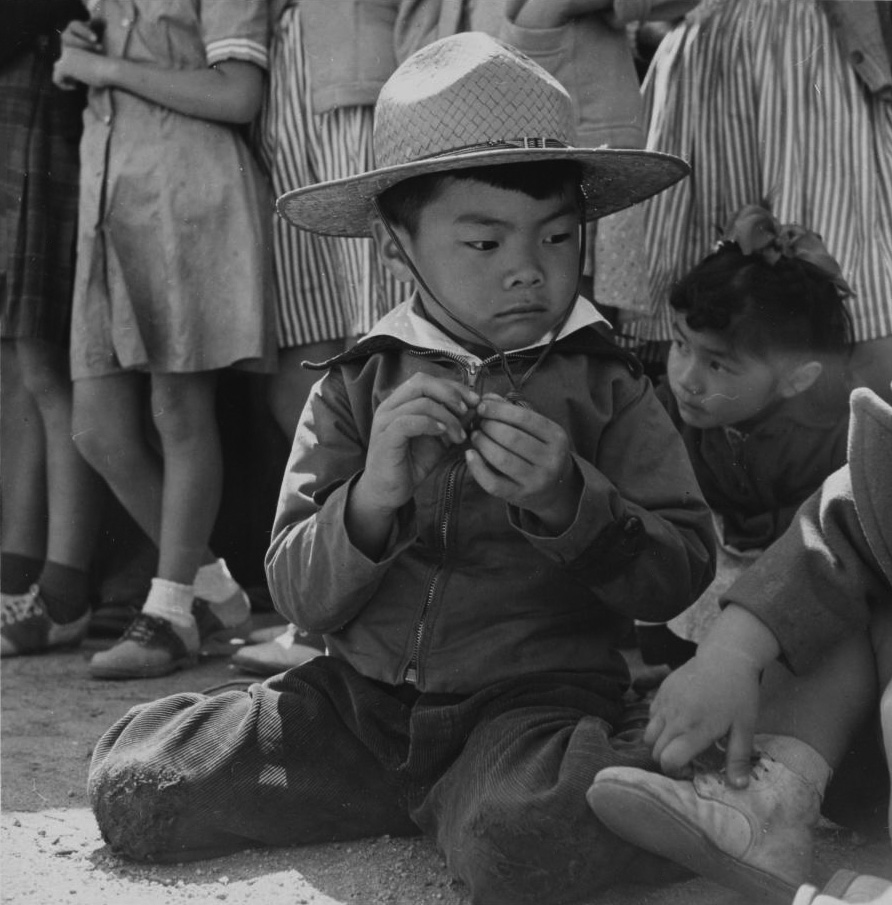
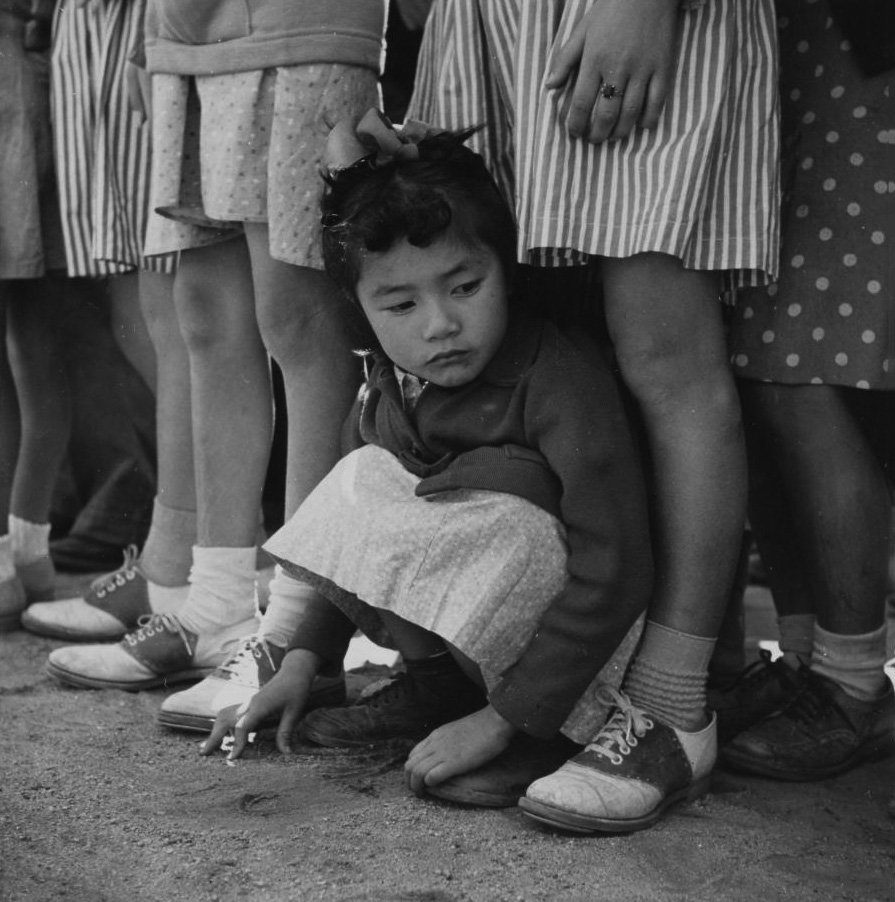
 These images are some of my favorite. There nearly 500 Manzanar internment images in the National Archives files. I encourage you to visit the archives and peruse the many photographs. Once you click on the icon above and are taken to the archives, type in "Manzanar" and then press "Display Results" and the images will be displayed in sets of nine. You might observe, as I did, that the internees appear rather unnaturally joyous in these pictures. I don't think that having been dislocated from their homes and businesses, forced to live in a harsh desert environment and confined to barracks with no insulation would have made them this happy. But as Jeanne Wakatsuki points out in her book, Farewell to Manzanar, Japanese Americans told each other very quietly to "Shikata ga nai" ("It must be done", or, as my Japanese friend says, "Suck it up [and get on with life]." Perhaps this is what encouraged them to put a smile on their face. Text excerpts followed by a "JWH" are from Jeanne Wakatsuki Houston & James D. Houston's book "Farewell to Manzanar" |

Ansel Adams Photographs from the Library of Congress 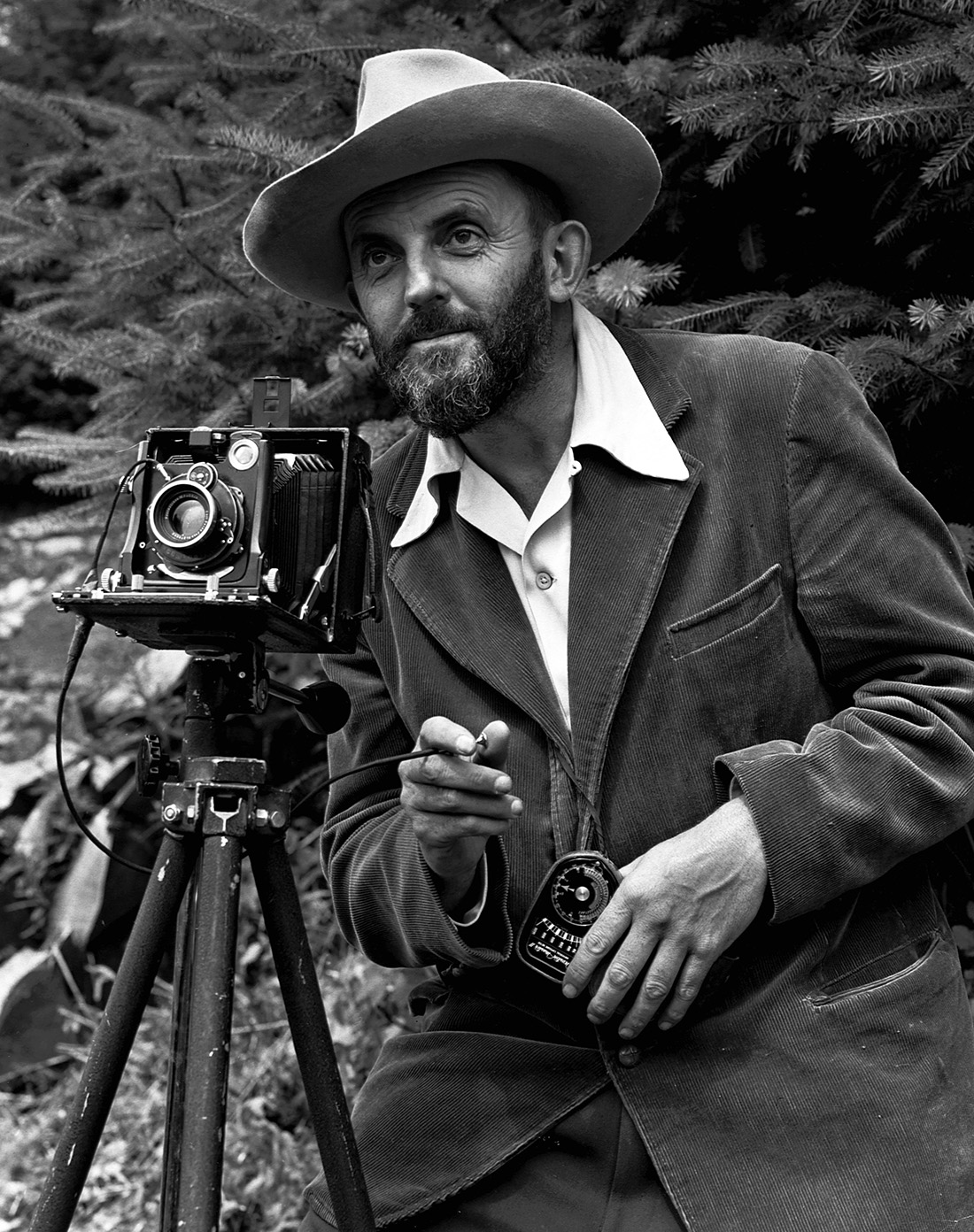 |
||
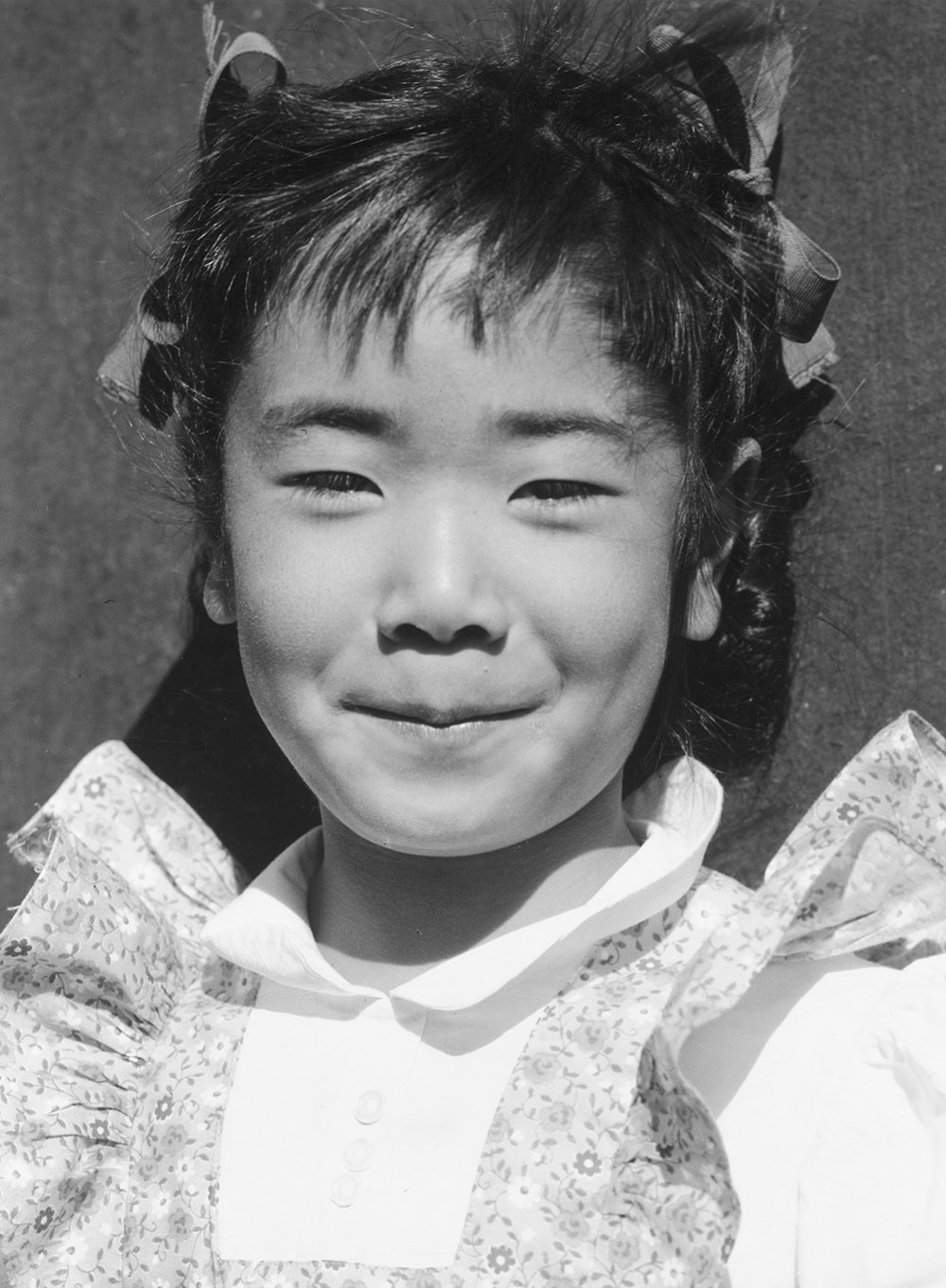 Louise Tami Nakamura |
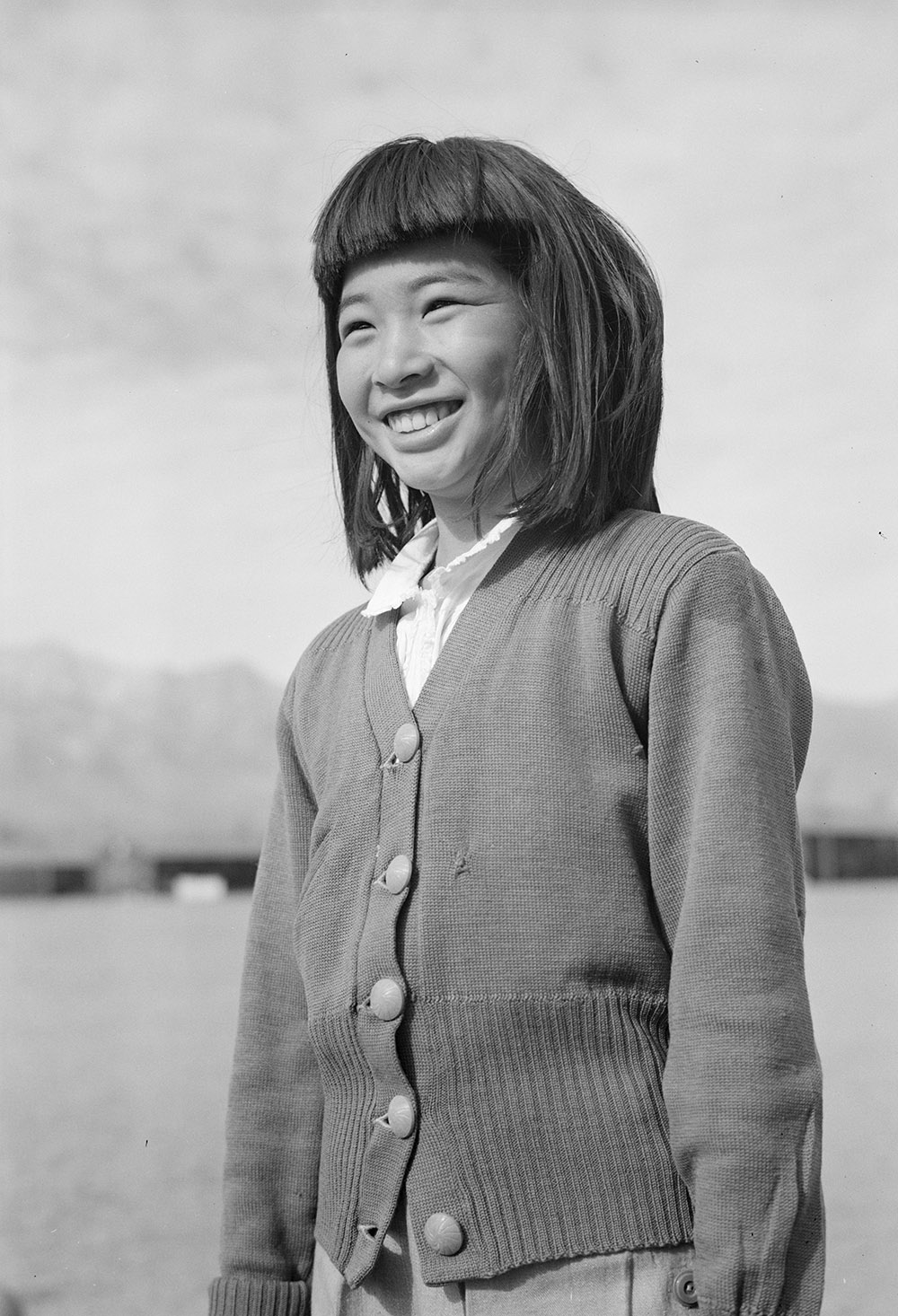 Young Girl Smiling |
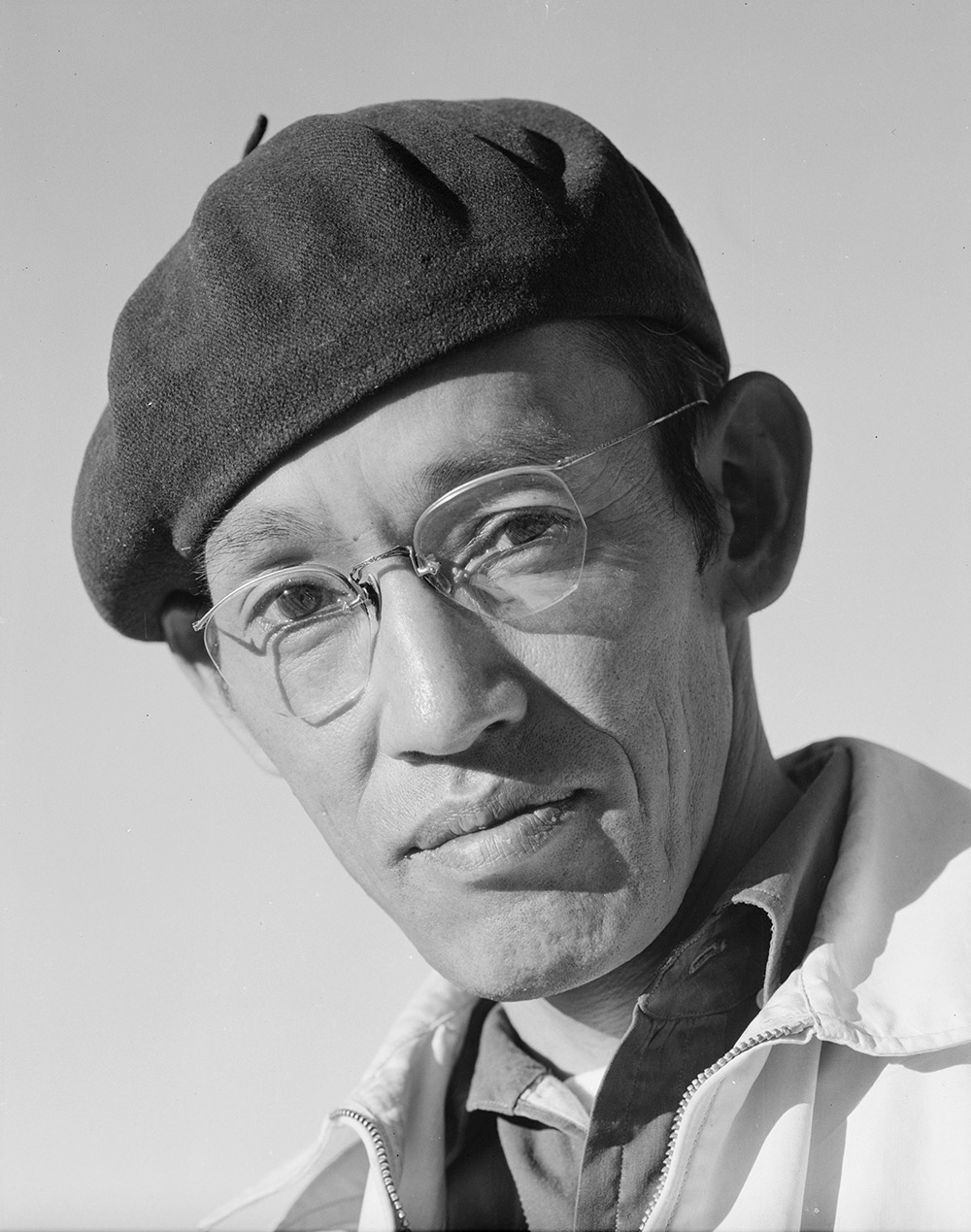 Toyo Miyatake - Photographer |
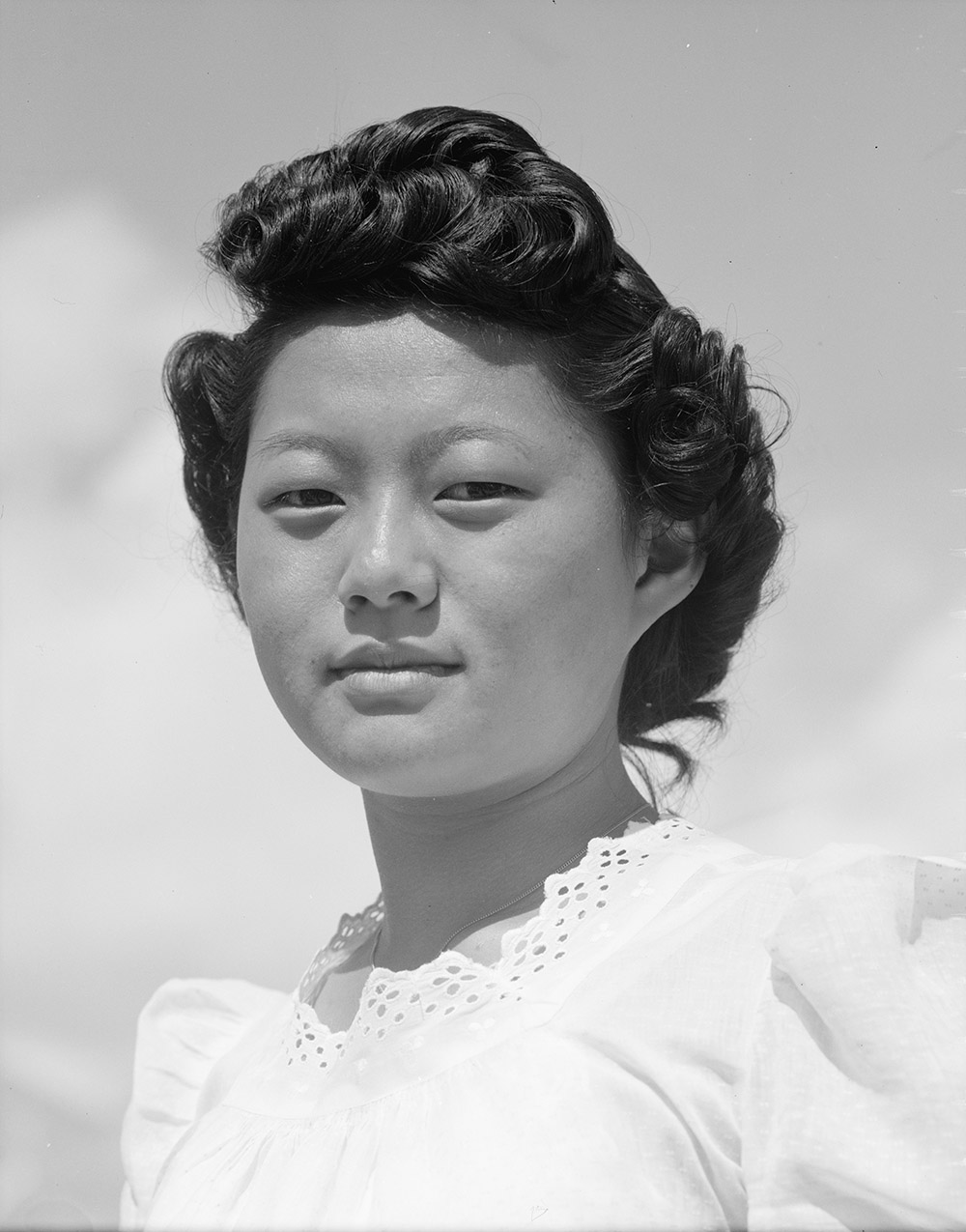 Miss Tetsuko Murakami |
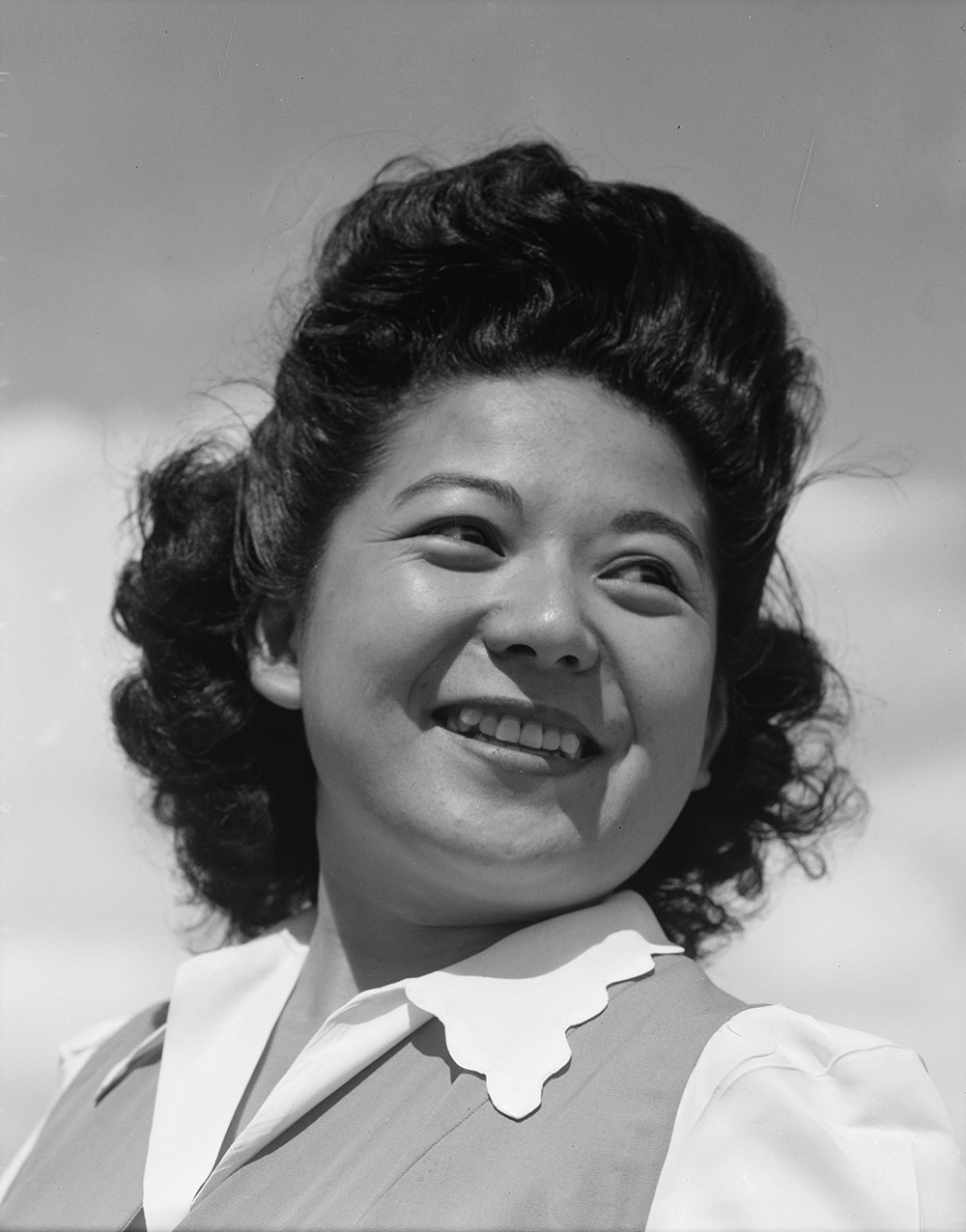 Miss Yemiko Sedohara |
|
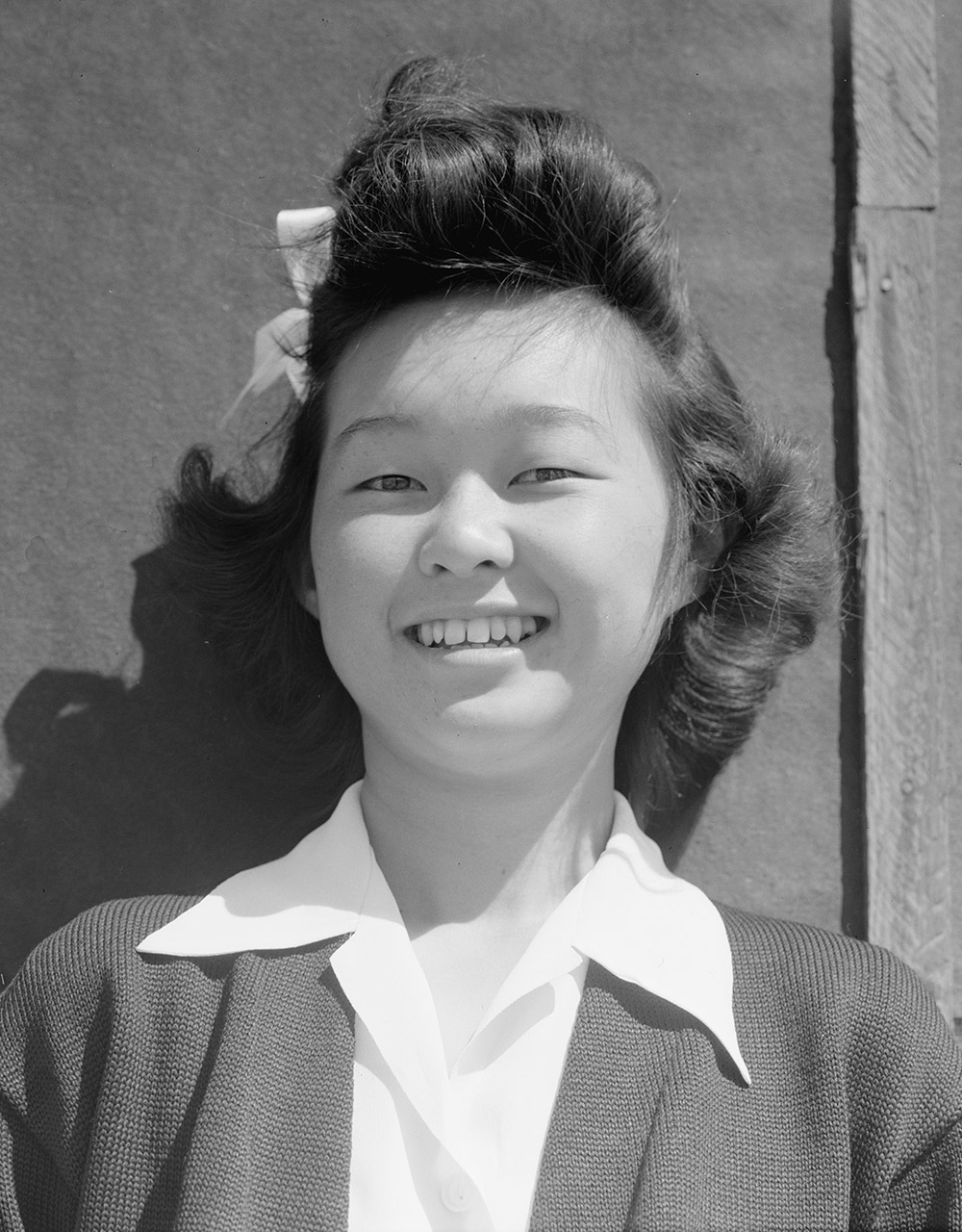 Miss Yuri Yamazaki |
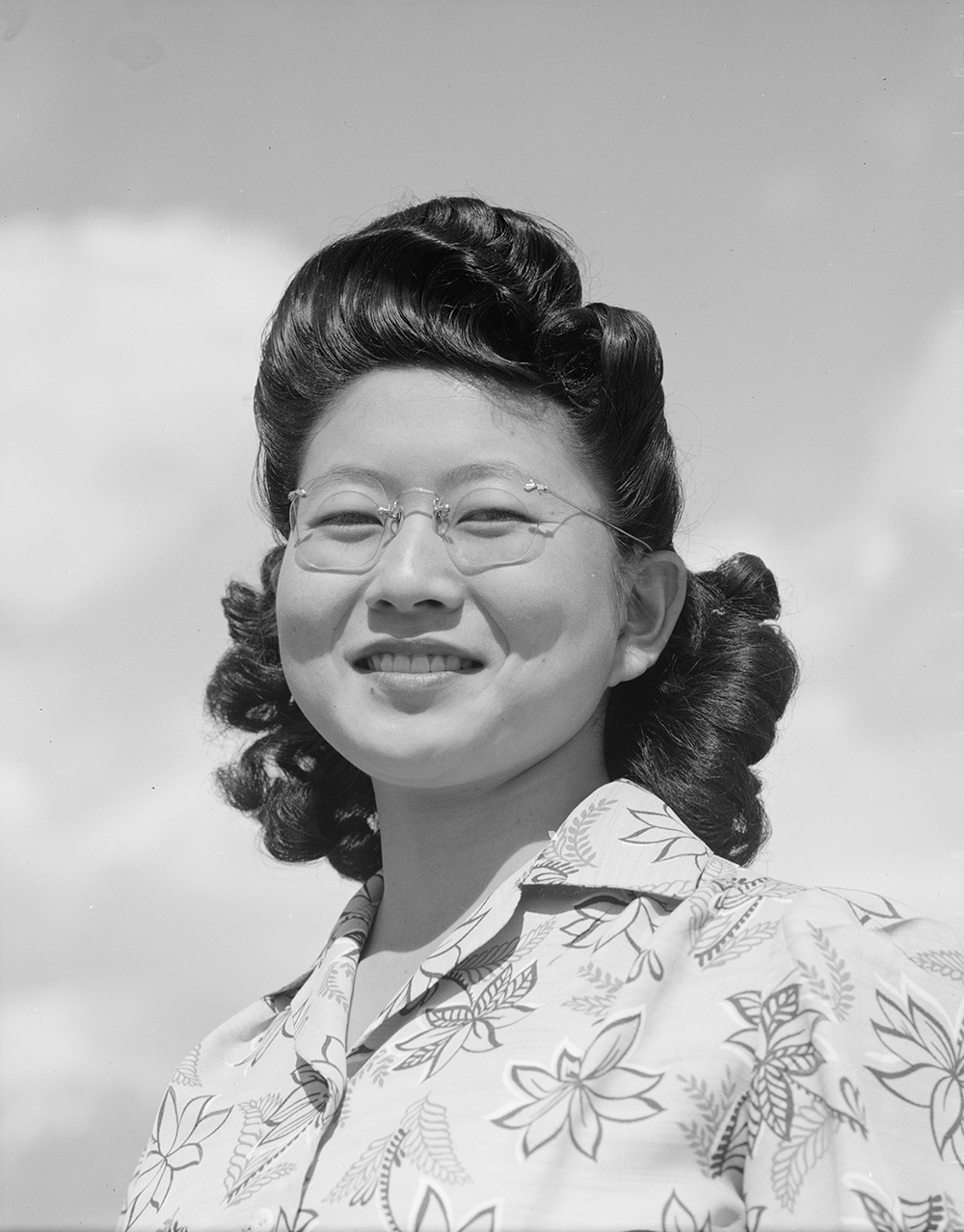 Miss Michiko Sugawara |
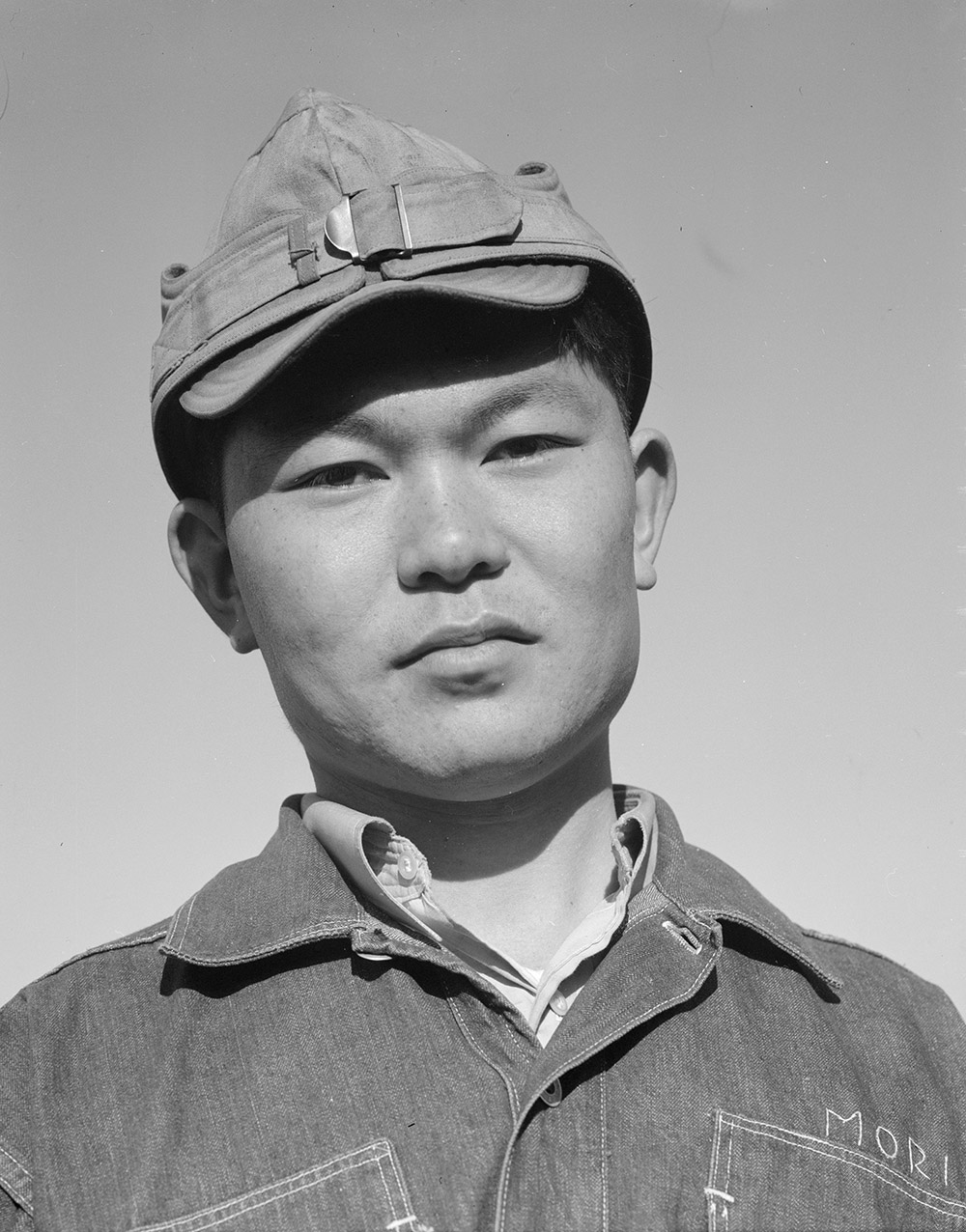 Mori Nakashima |
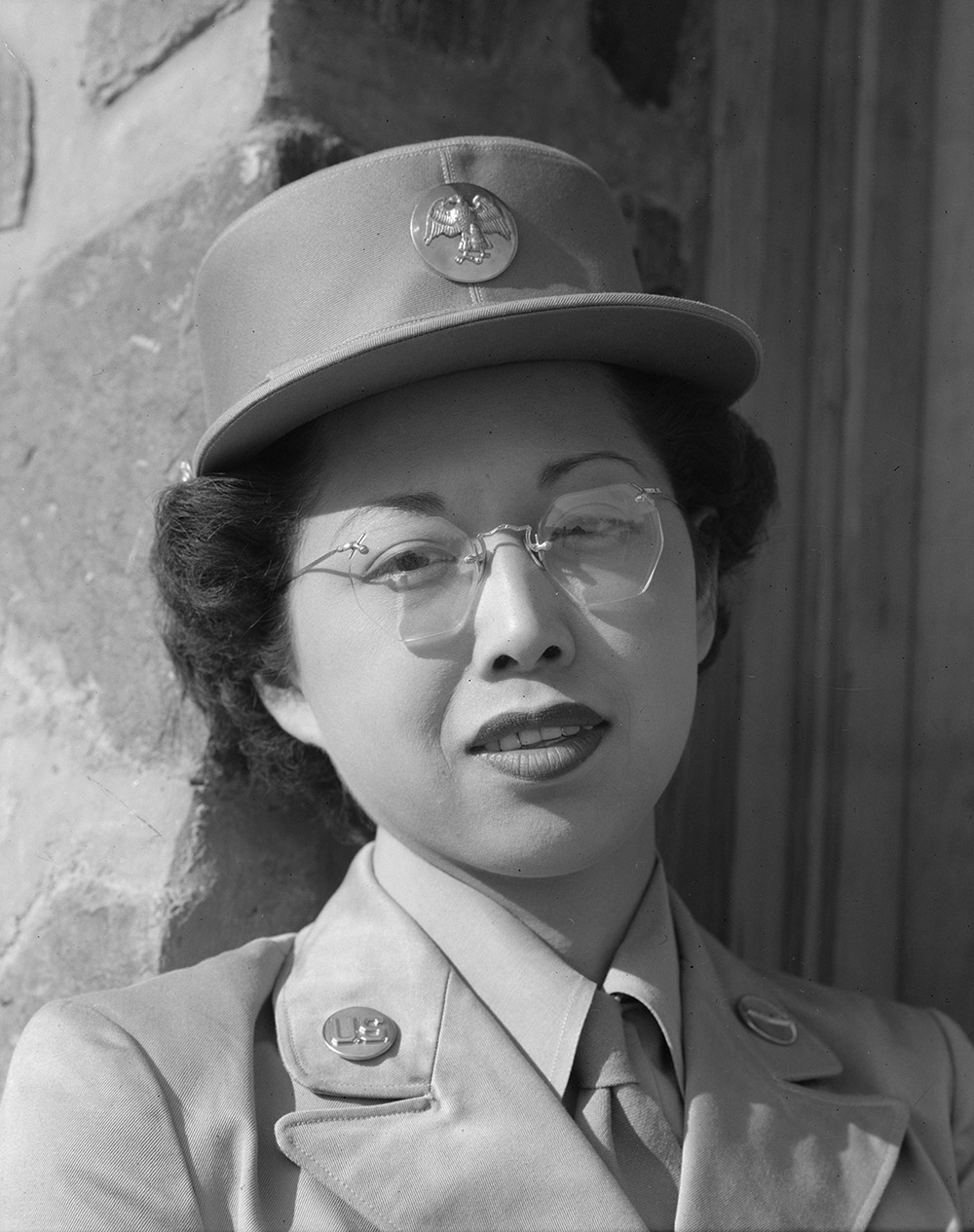 Private Margaret Fukoka, WAC |
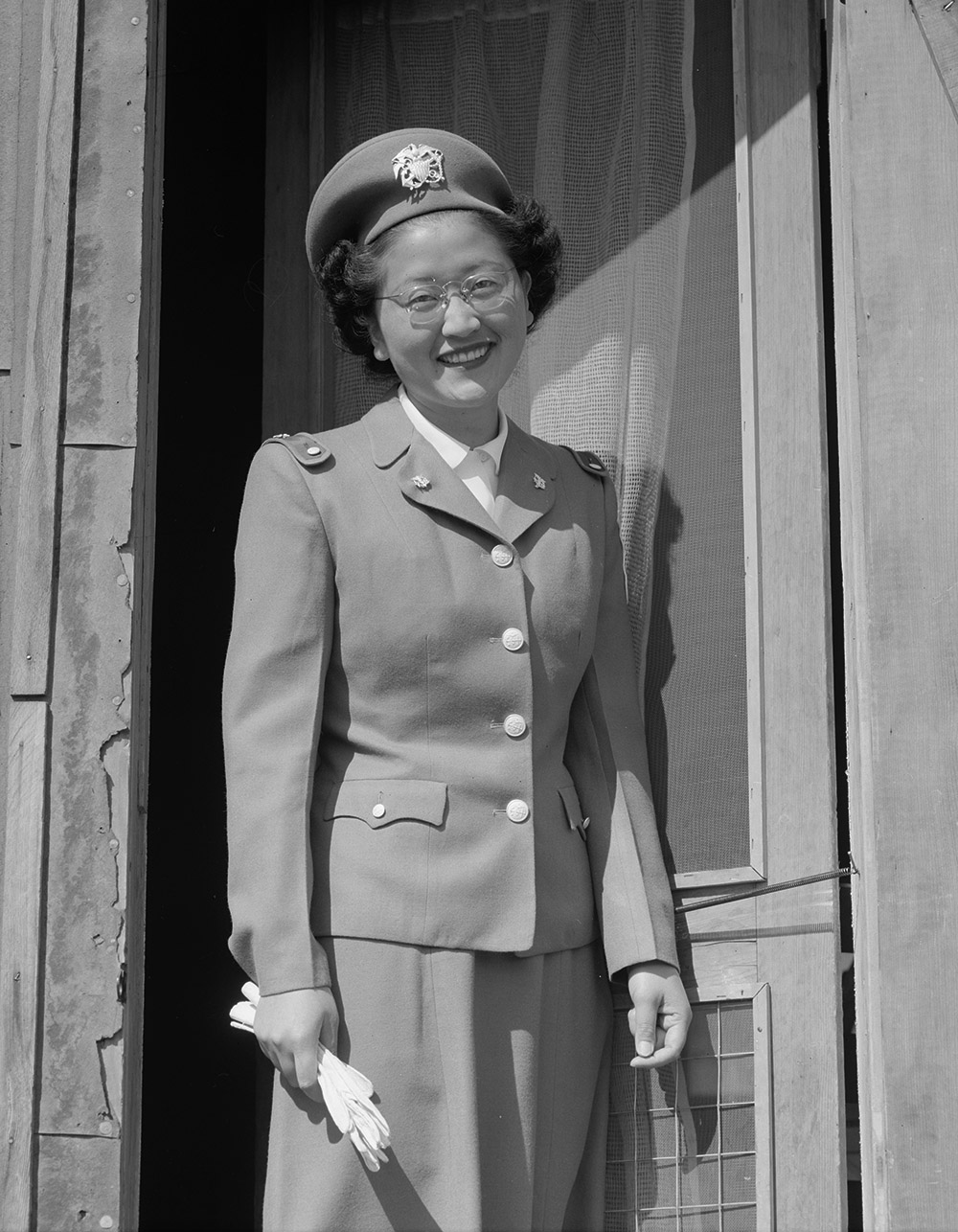 Miss Kay Fukuda - U.S. Naval Cadet Nurse |
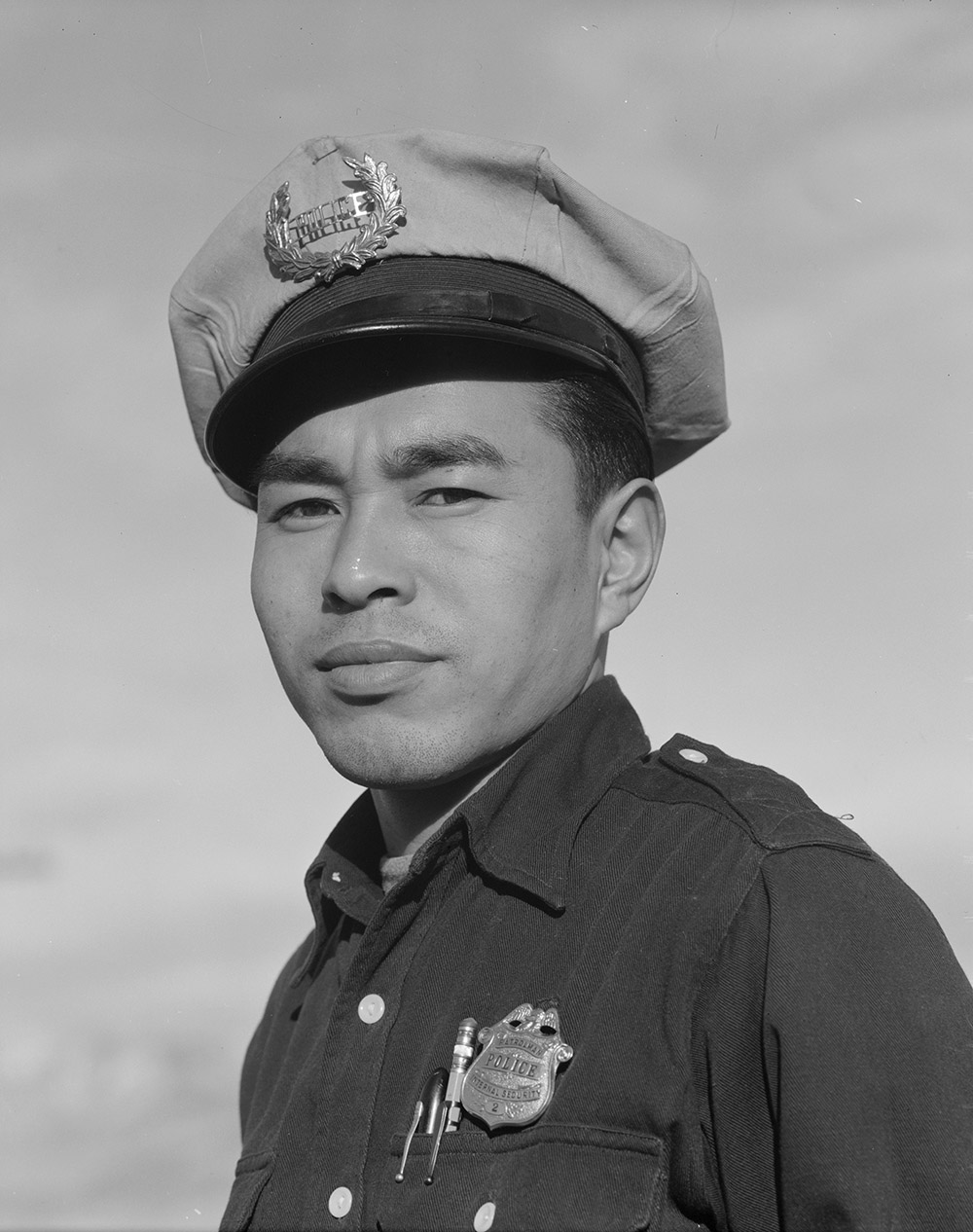 Sam Bozono - Fireman |
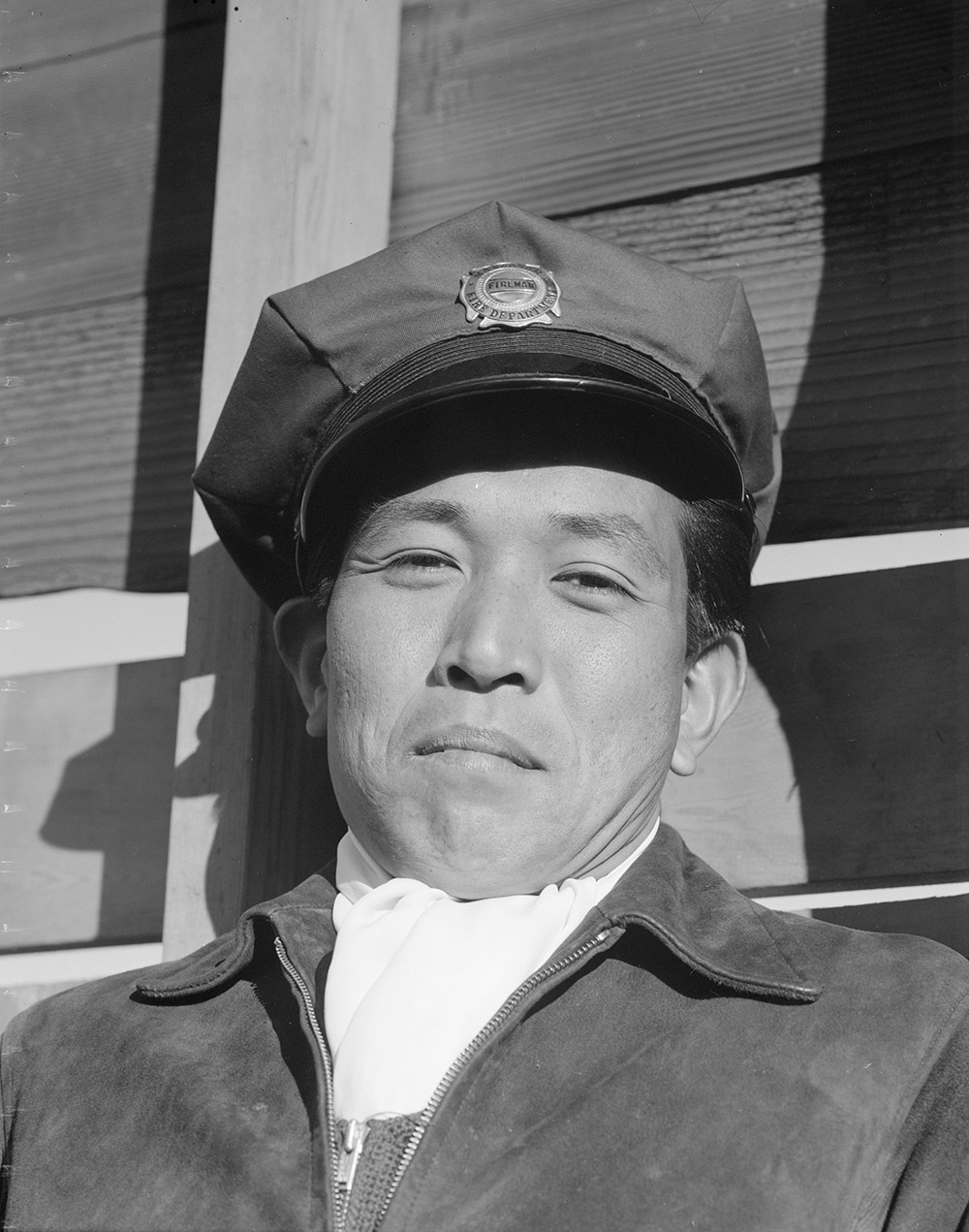 Mitsuo Matsuro |
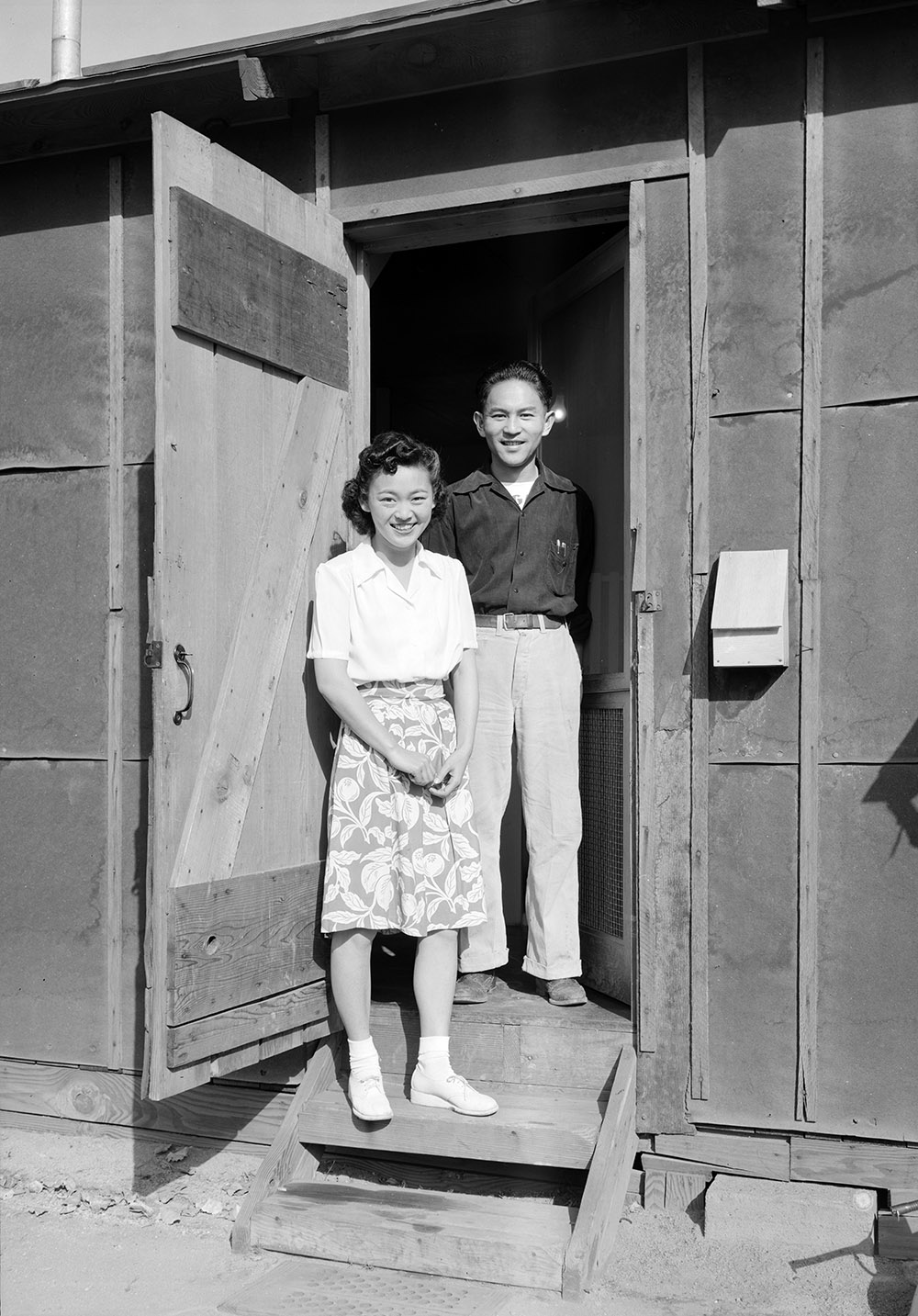 Mr. and Mrs. Dennis Shimizu |
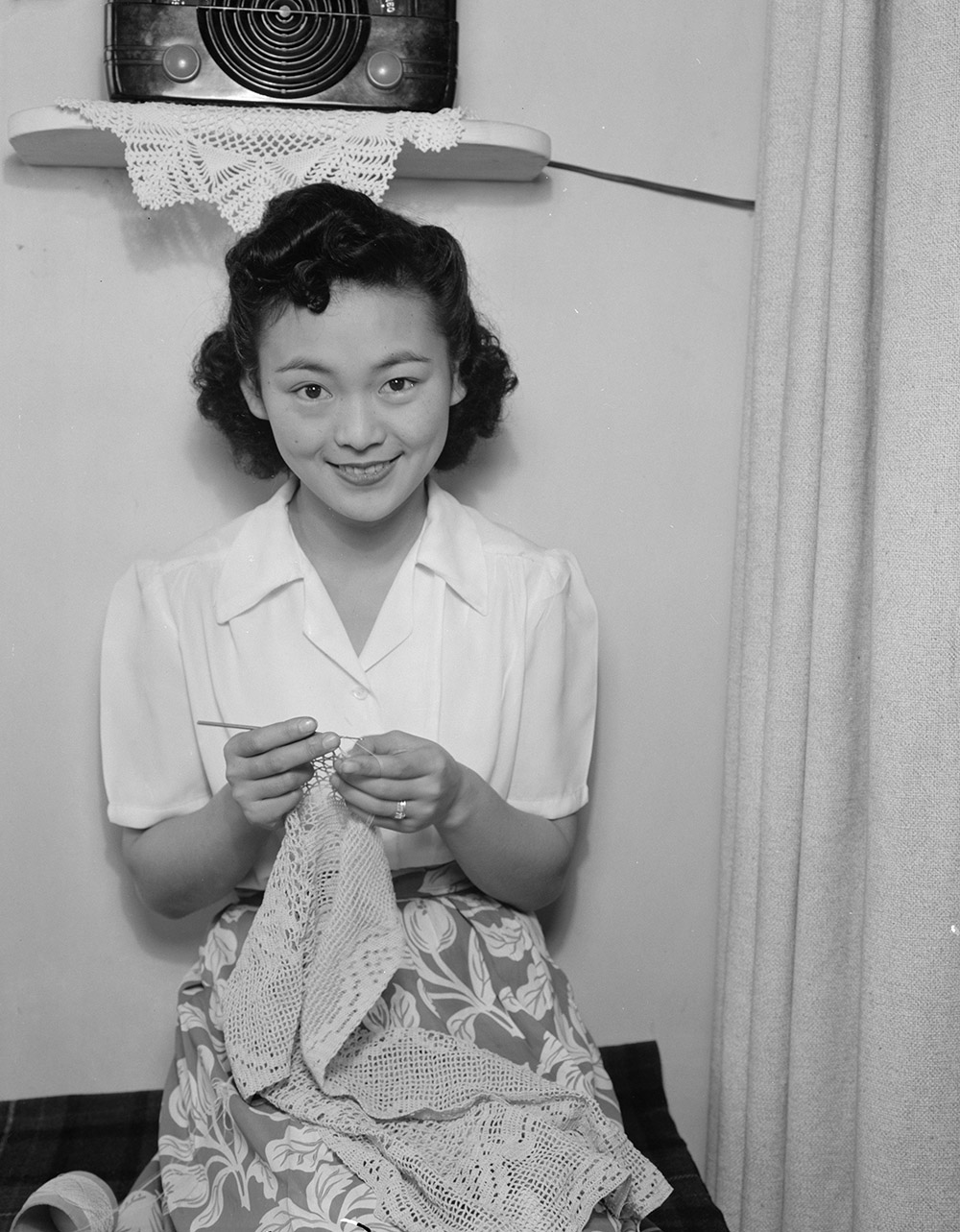 Mrs. Dennis Shimizu |
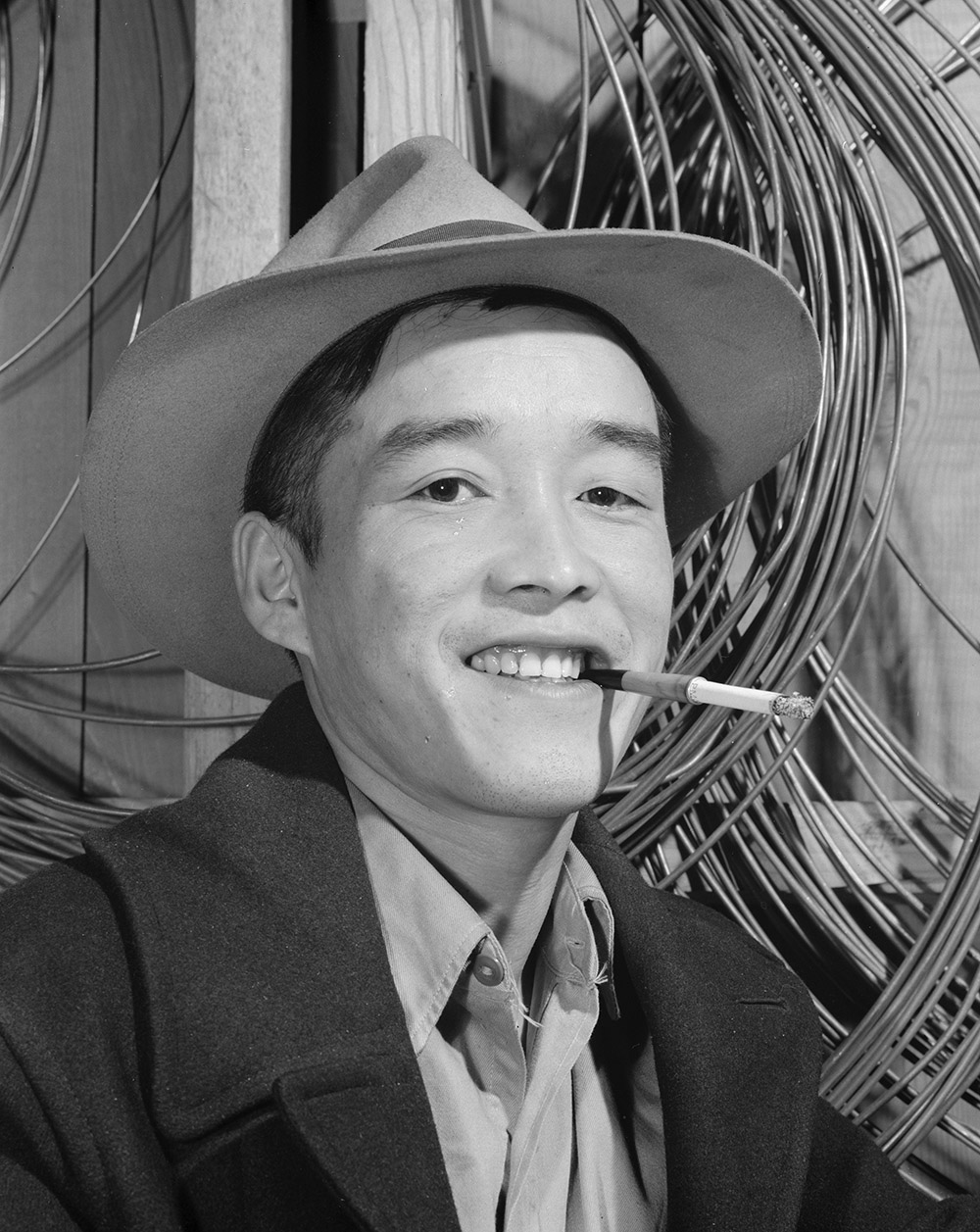 Yonehisa Yamagami - Electrician |
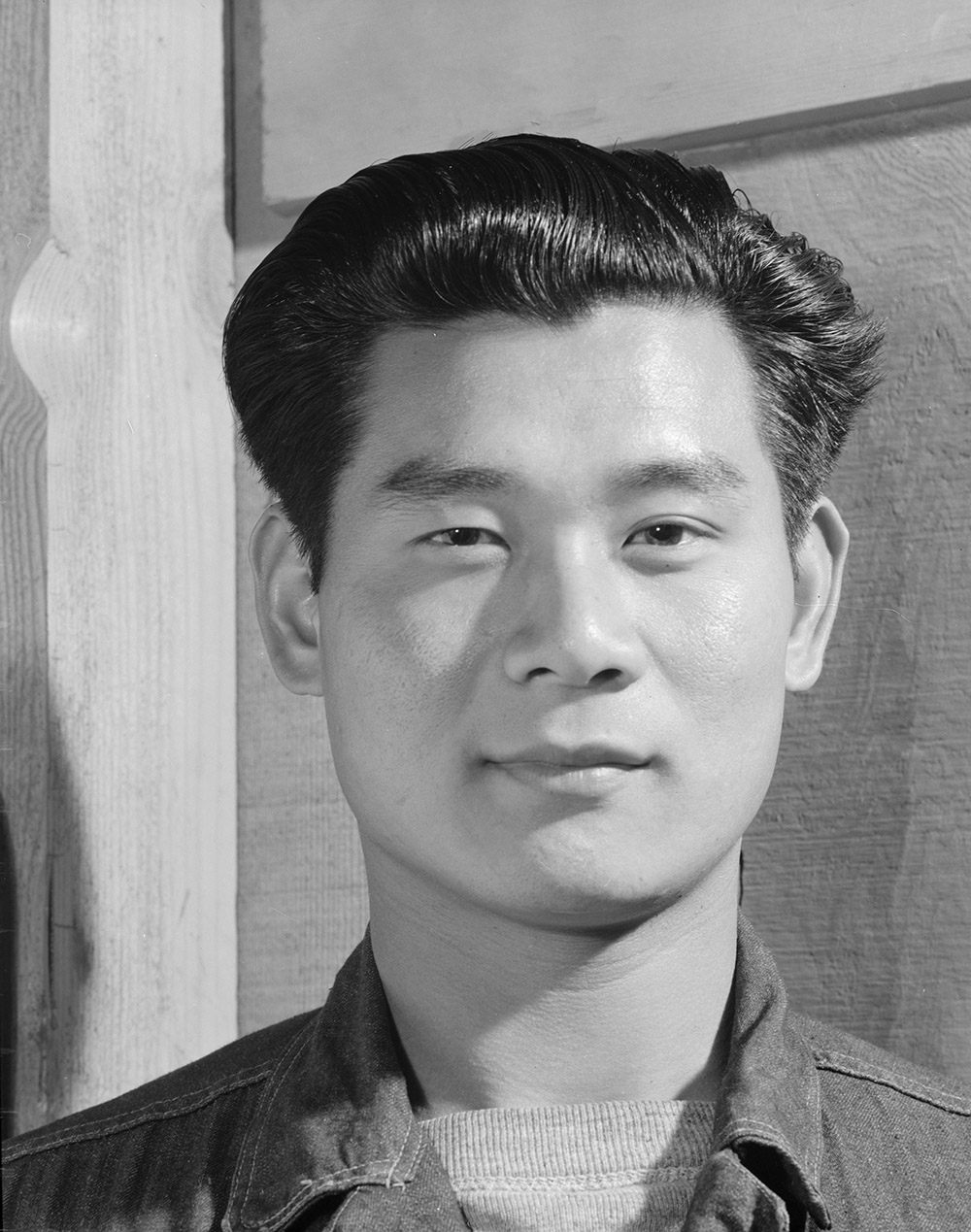 Yoshio Muramoto - Electrician |
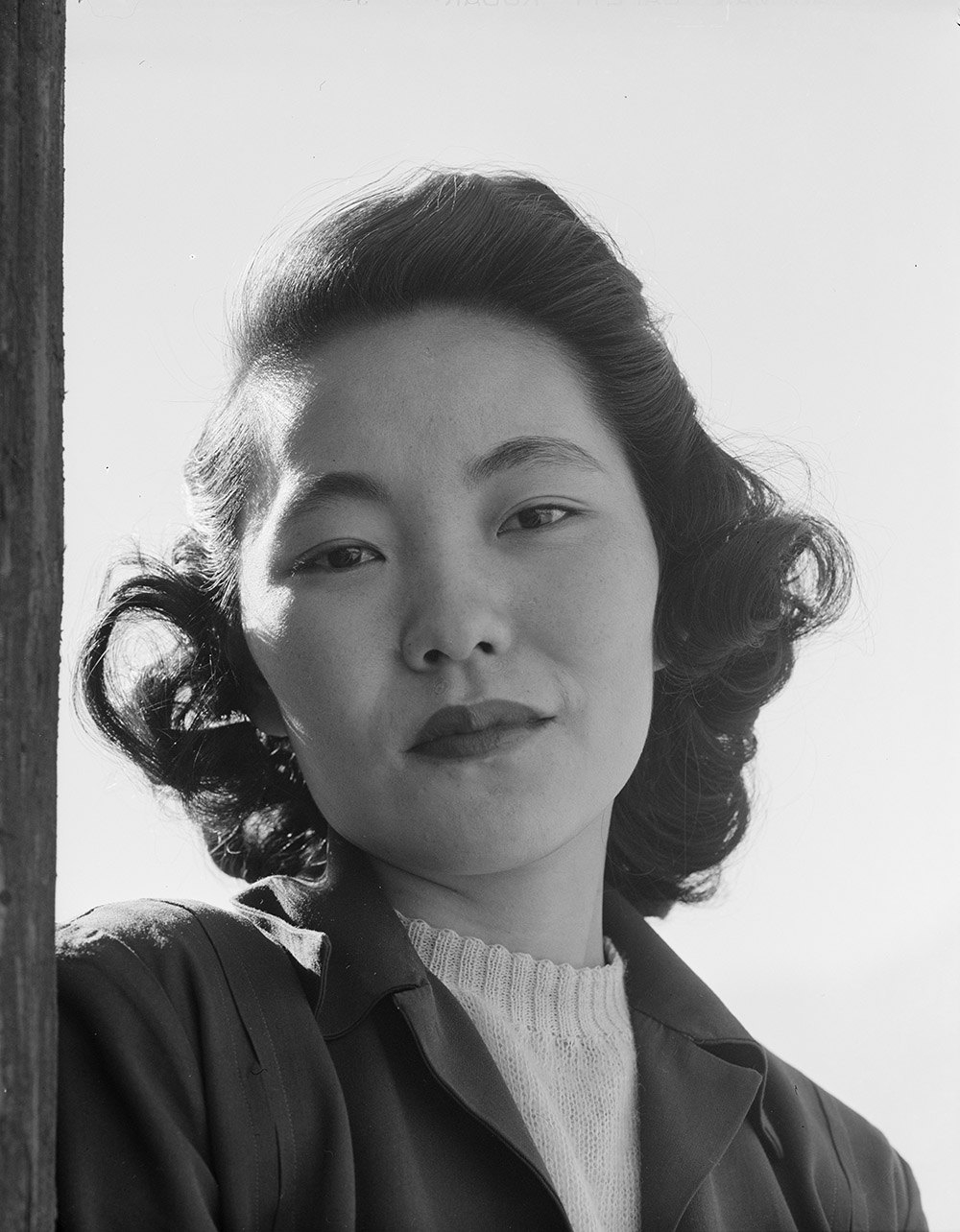 Mrs. Kay Kageyama |
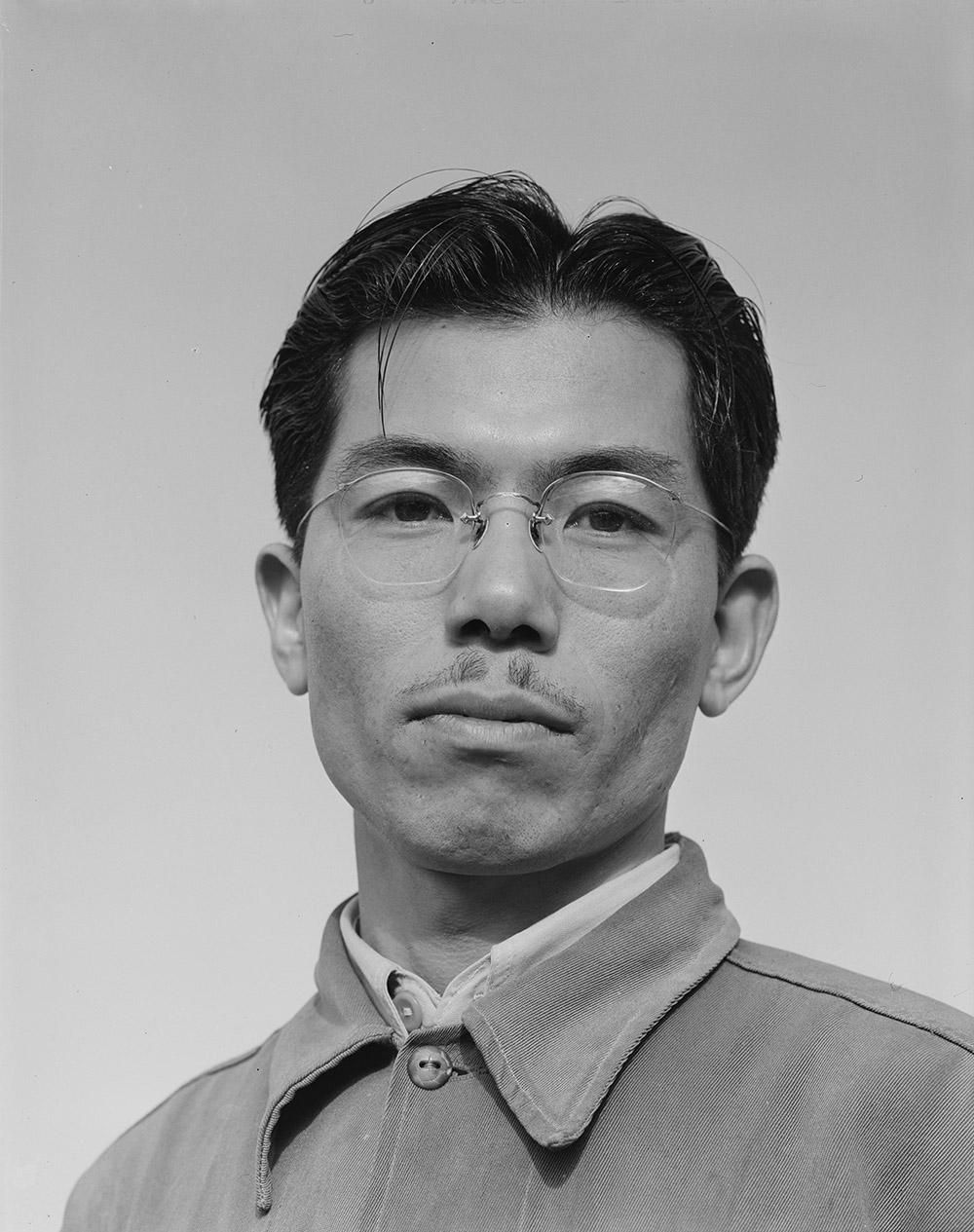 Frank Nobuo Horosawa - Rubber Chemist |
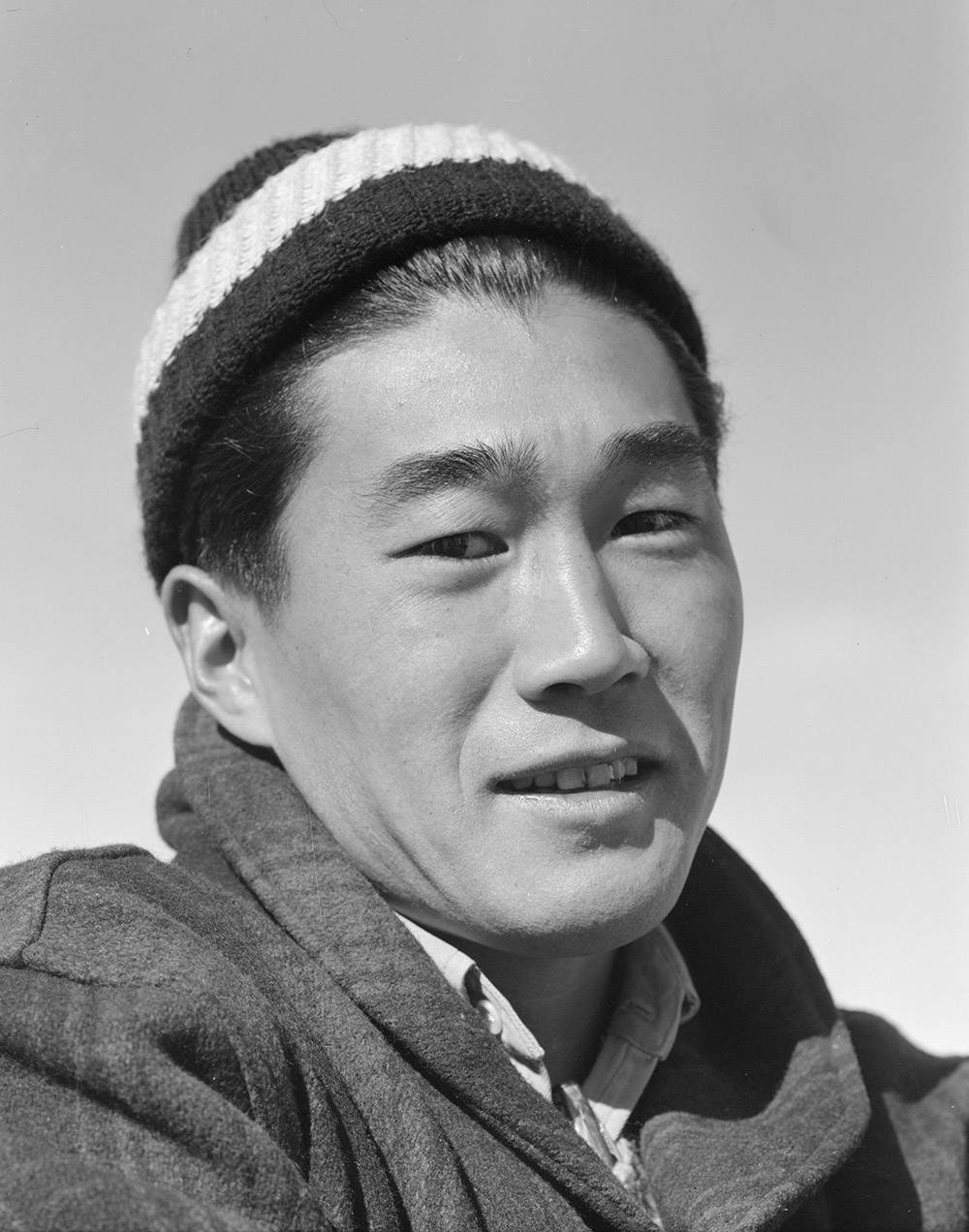 Kishio Matoba |
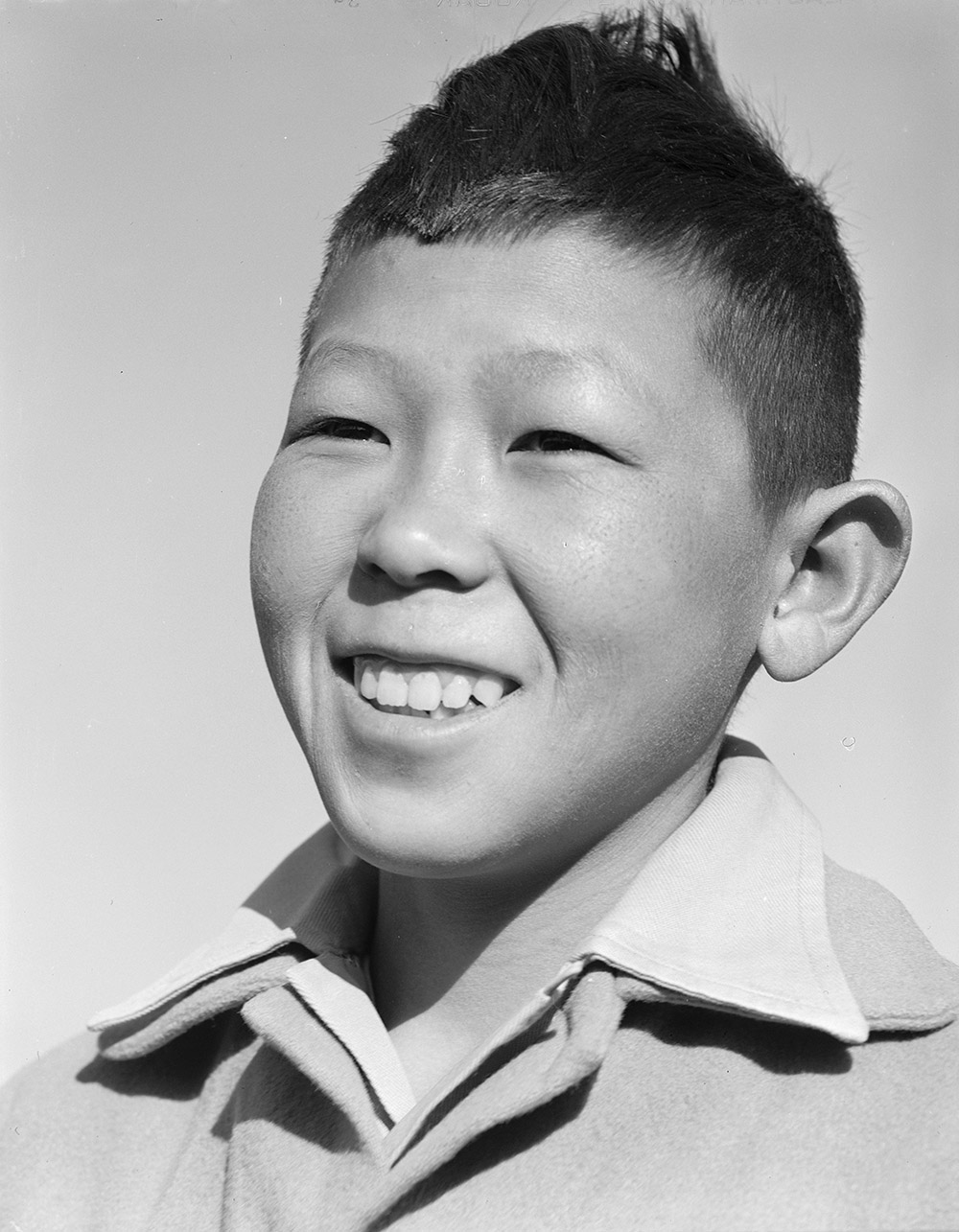 Katsumi Yoshimura |
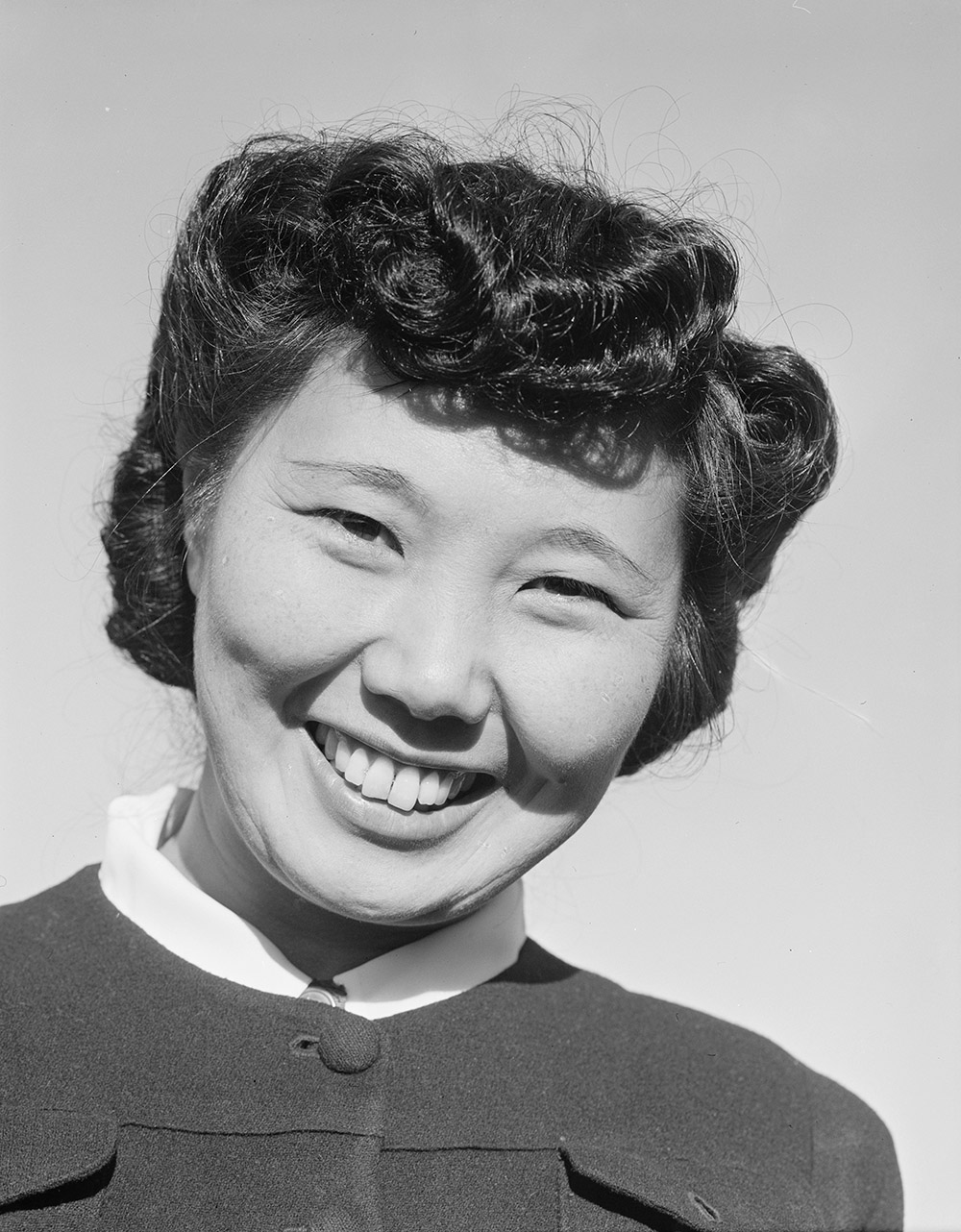 May Ichide - Sunday School Teacher |
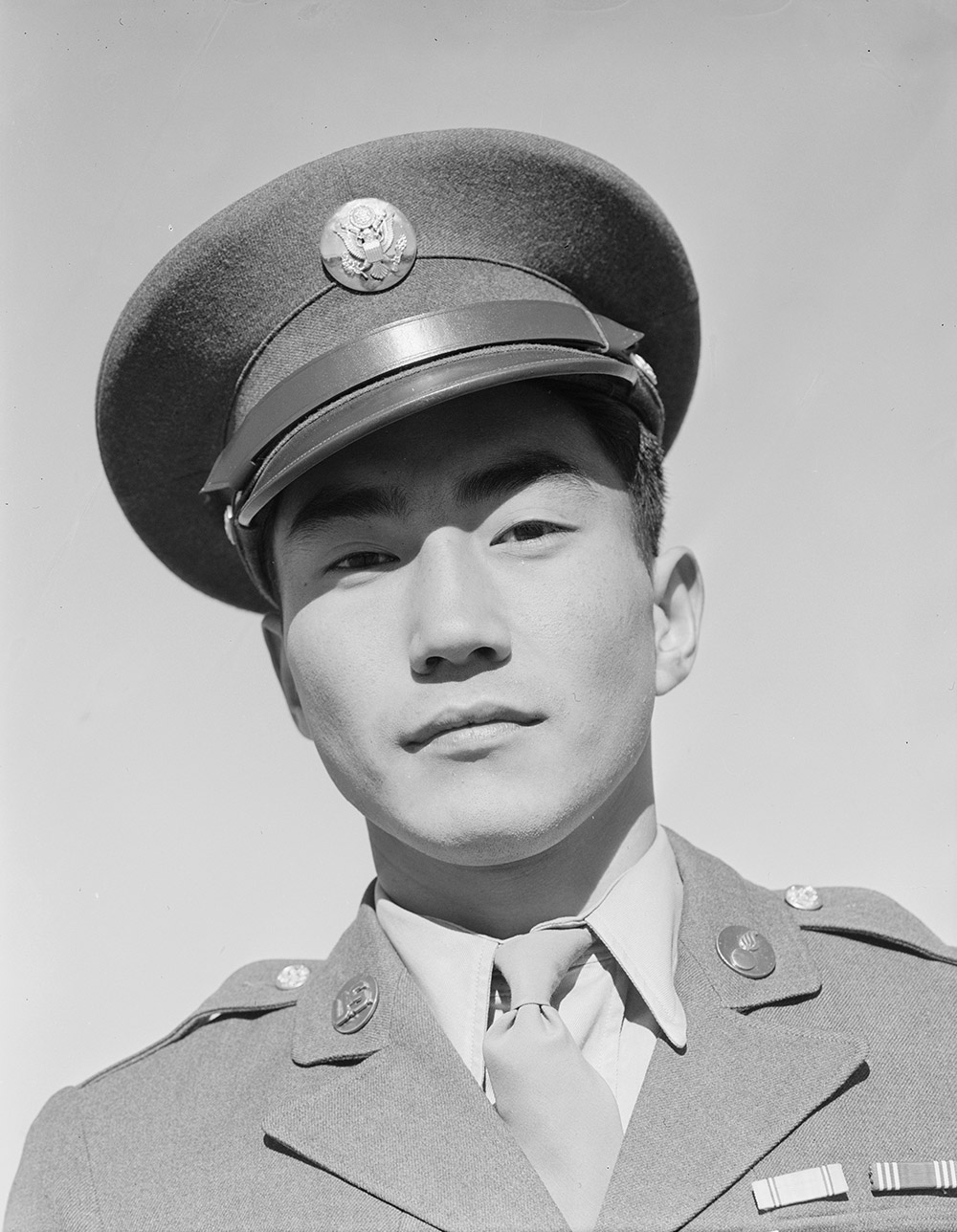 Corporal Jimmie Shohara |
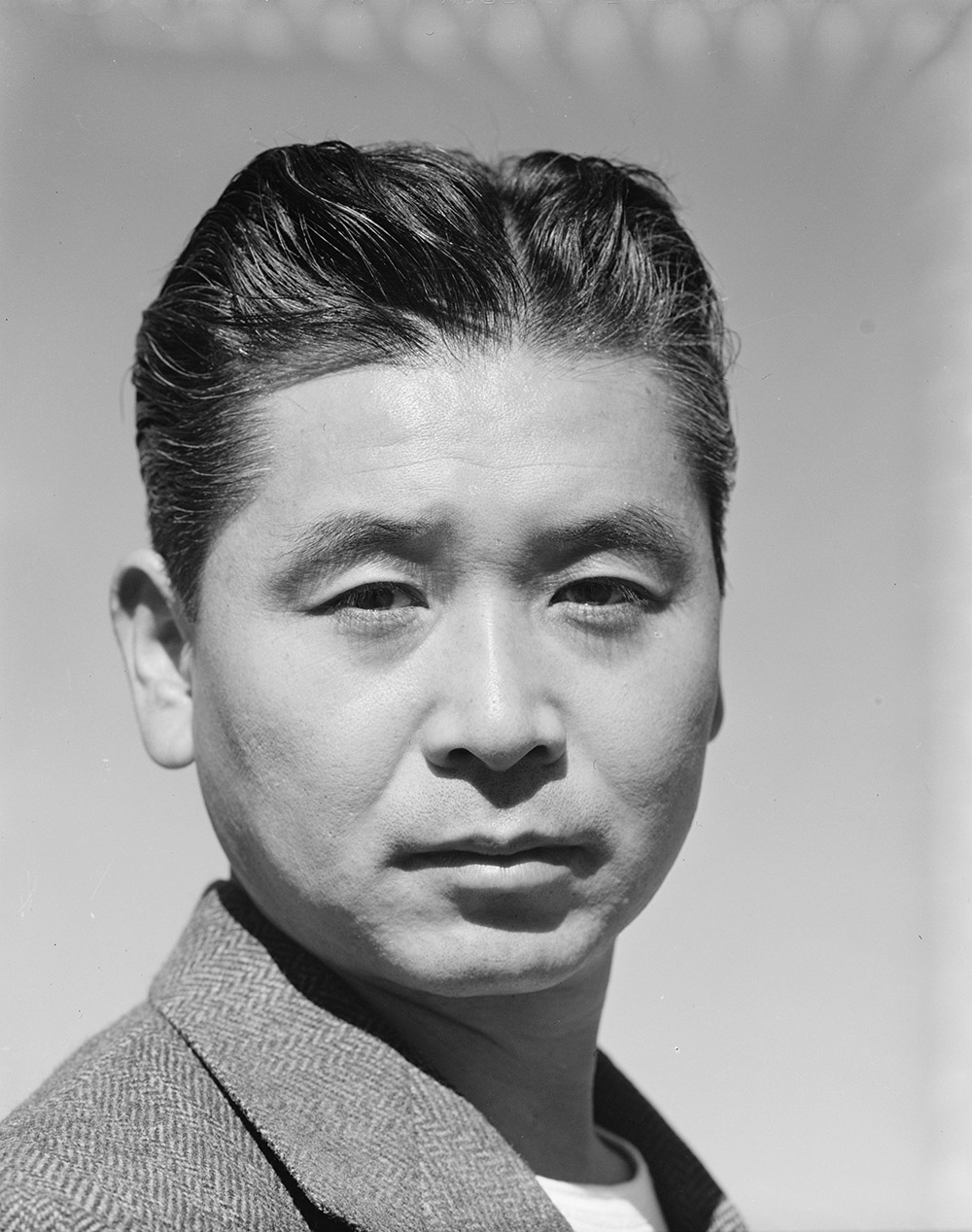 Kay Kageyama |
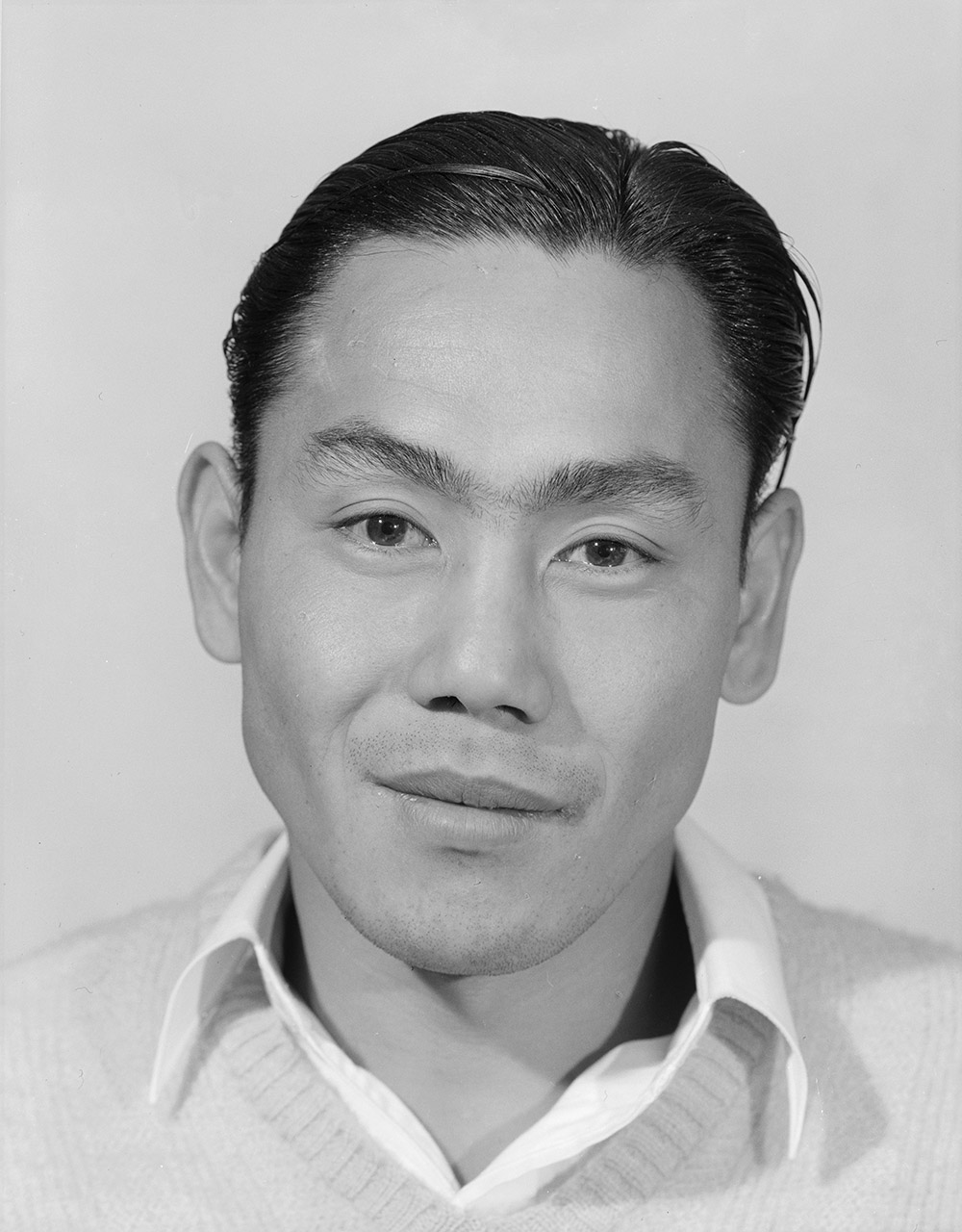 Hidemi Takenaka |
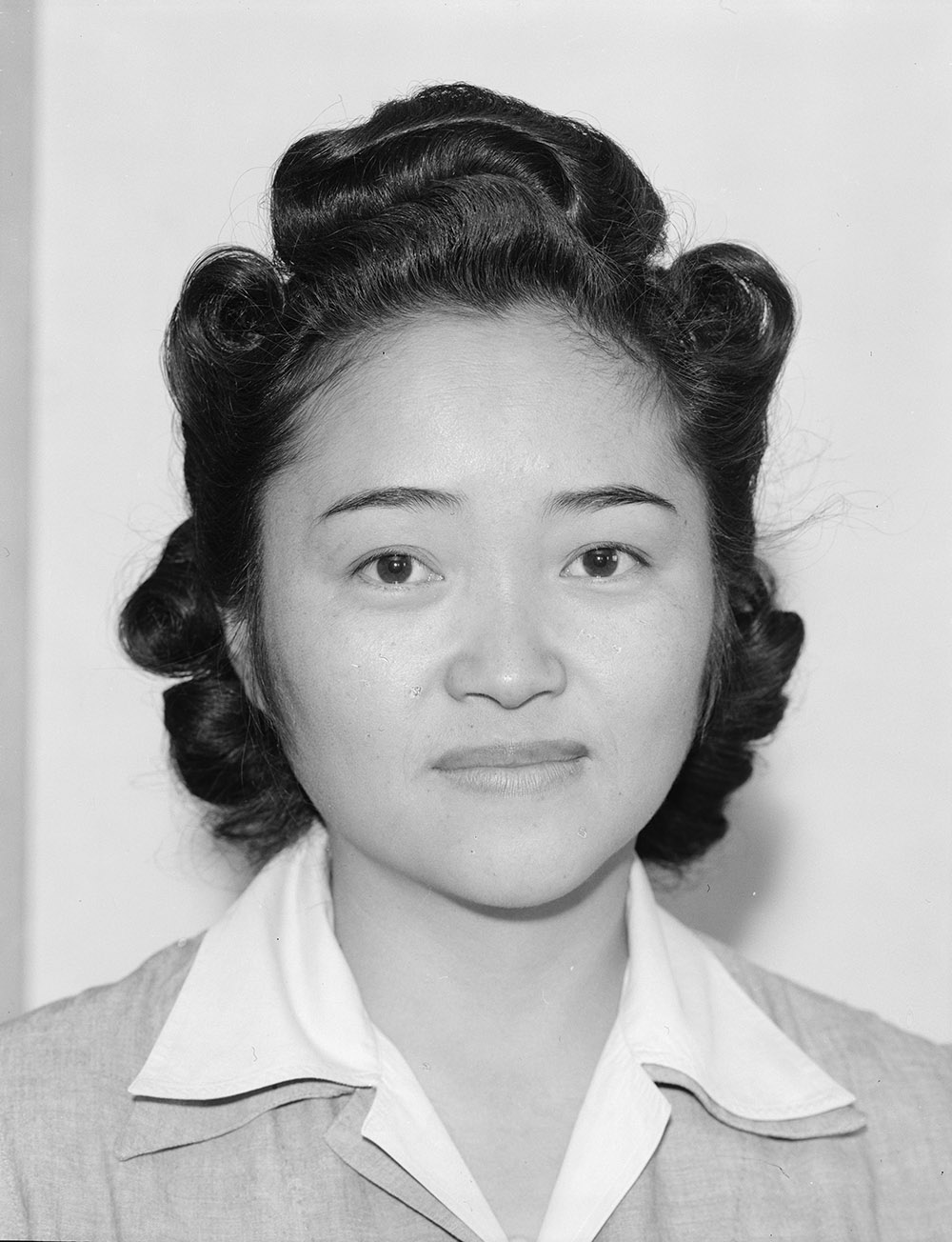 Sumiko Shigematsu - Foreman |
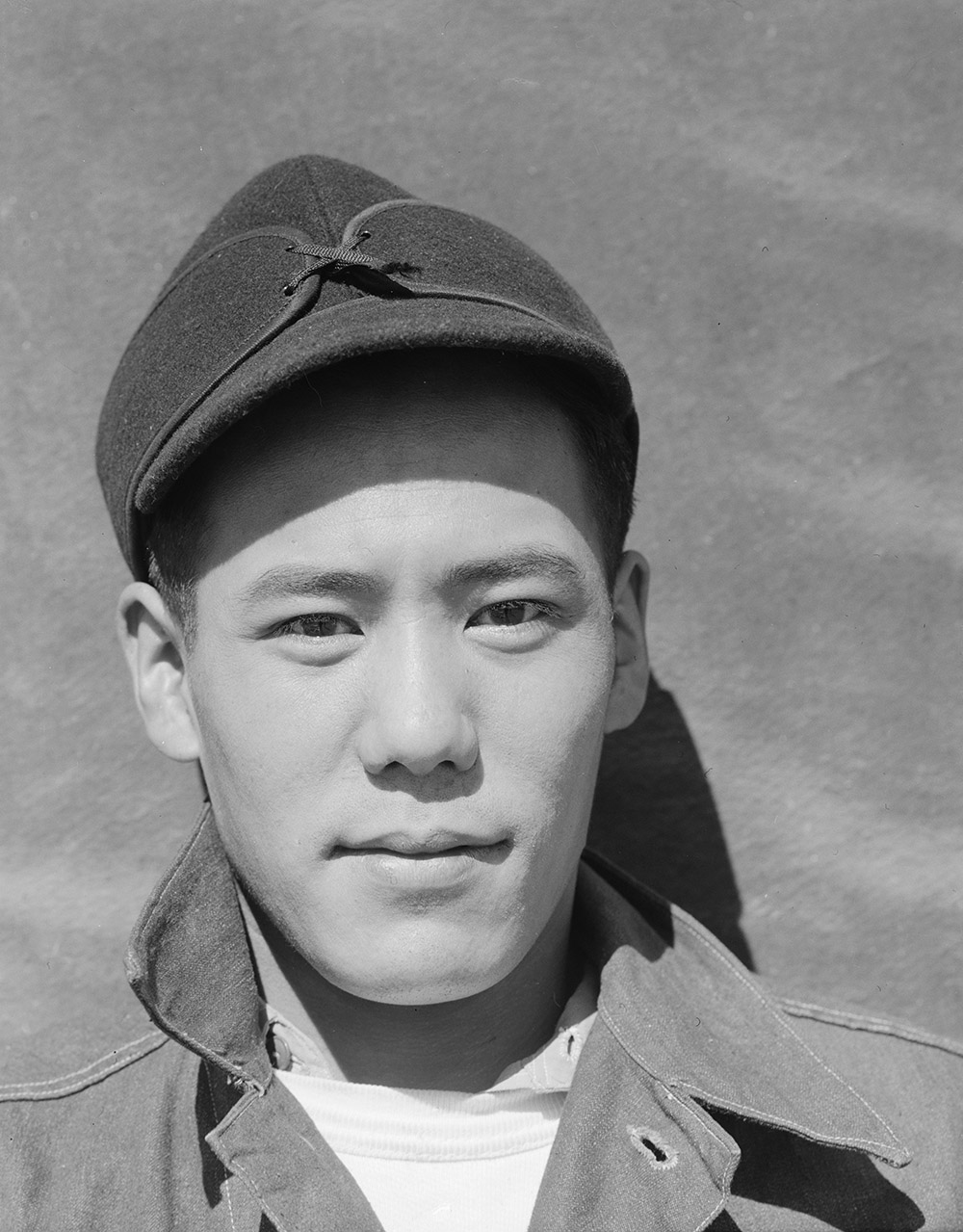 Hidemi Tayenaka |
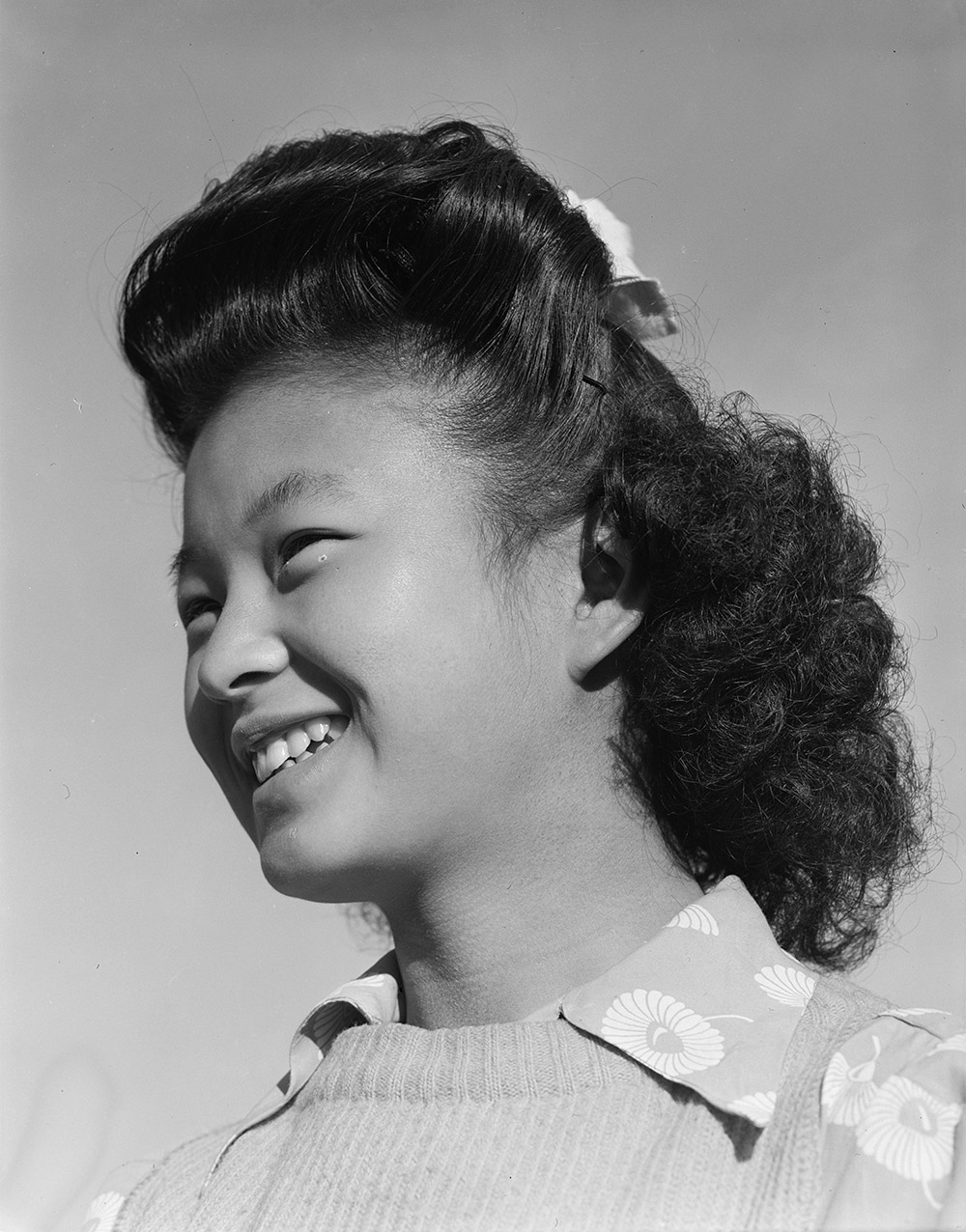 Yeko Yamamoto |
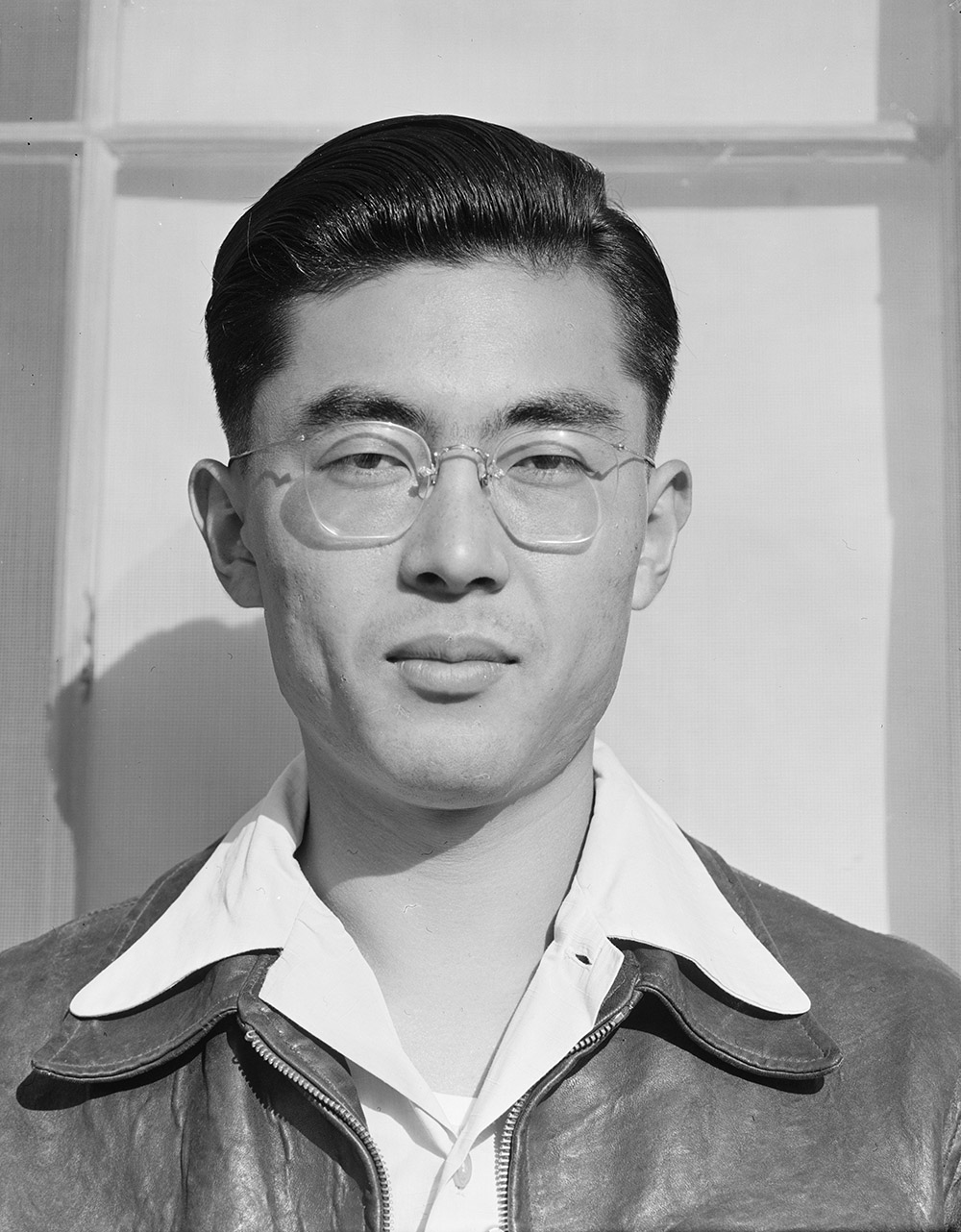 Masao Nakazawa - Chemistry Teacher |
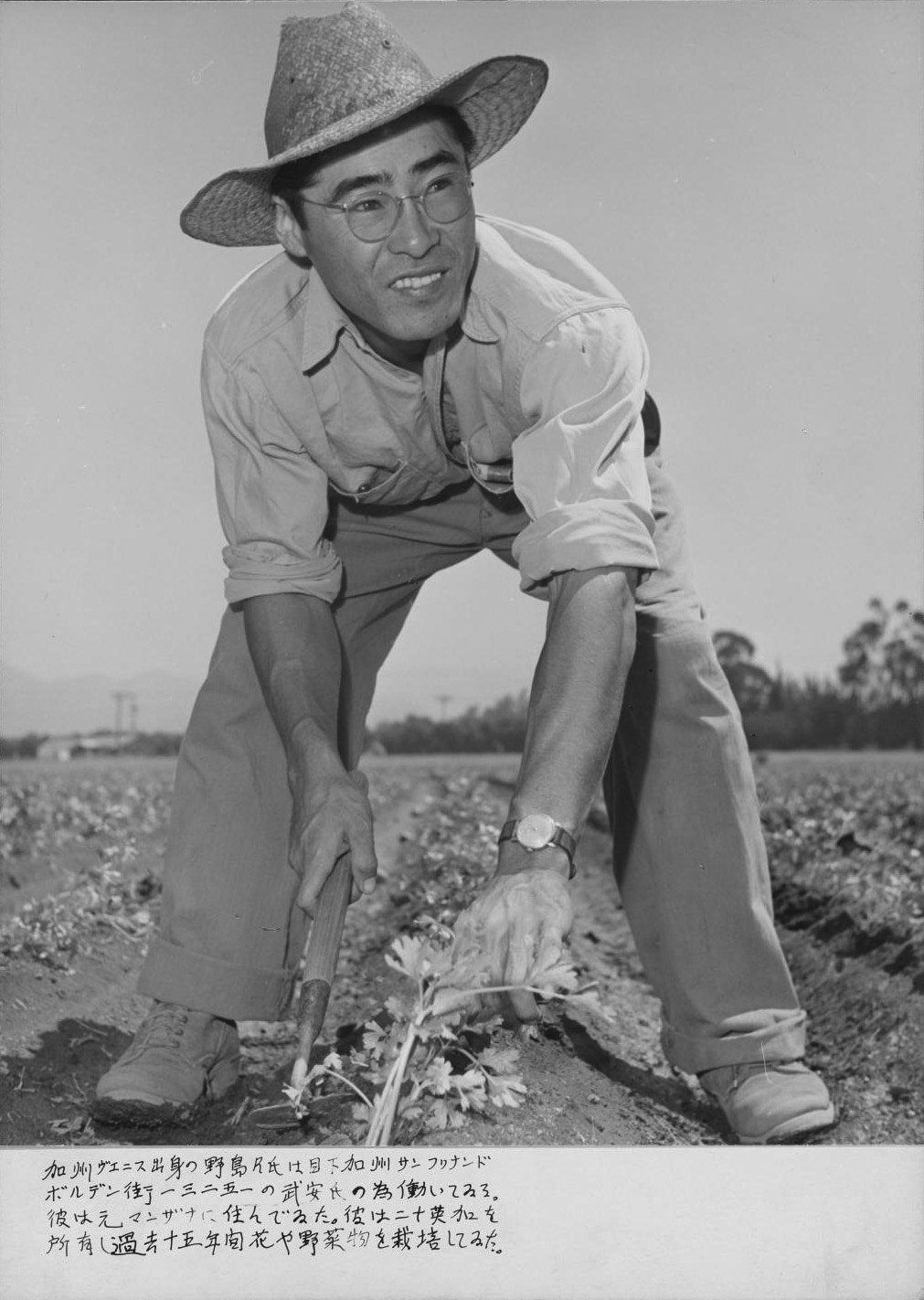
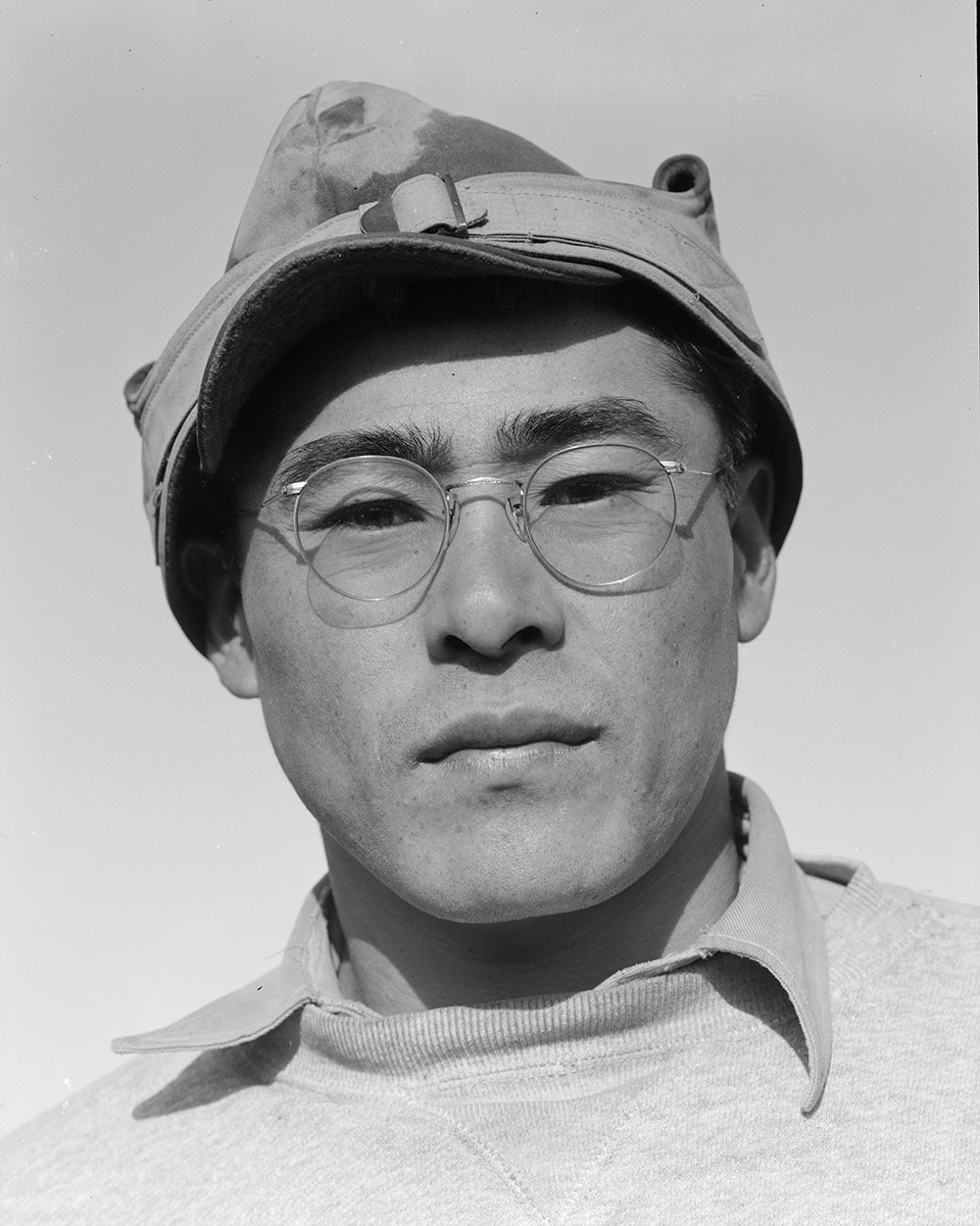 Ryohe Nojima - Farmer |
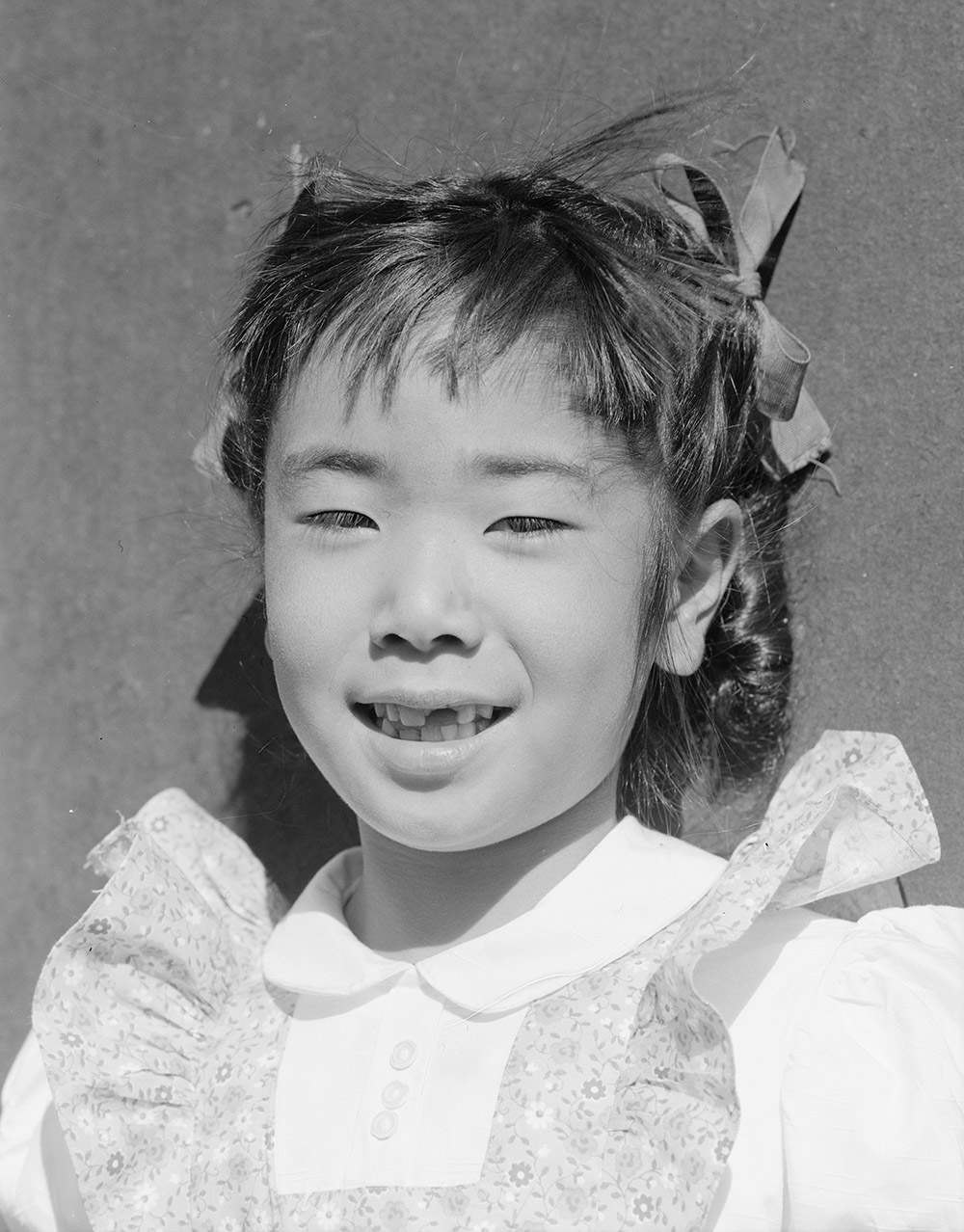 Louise Tami Nakamura |
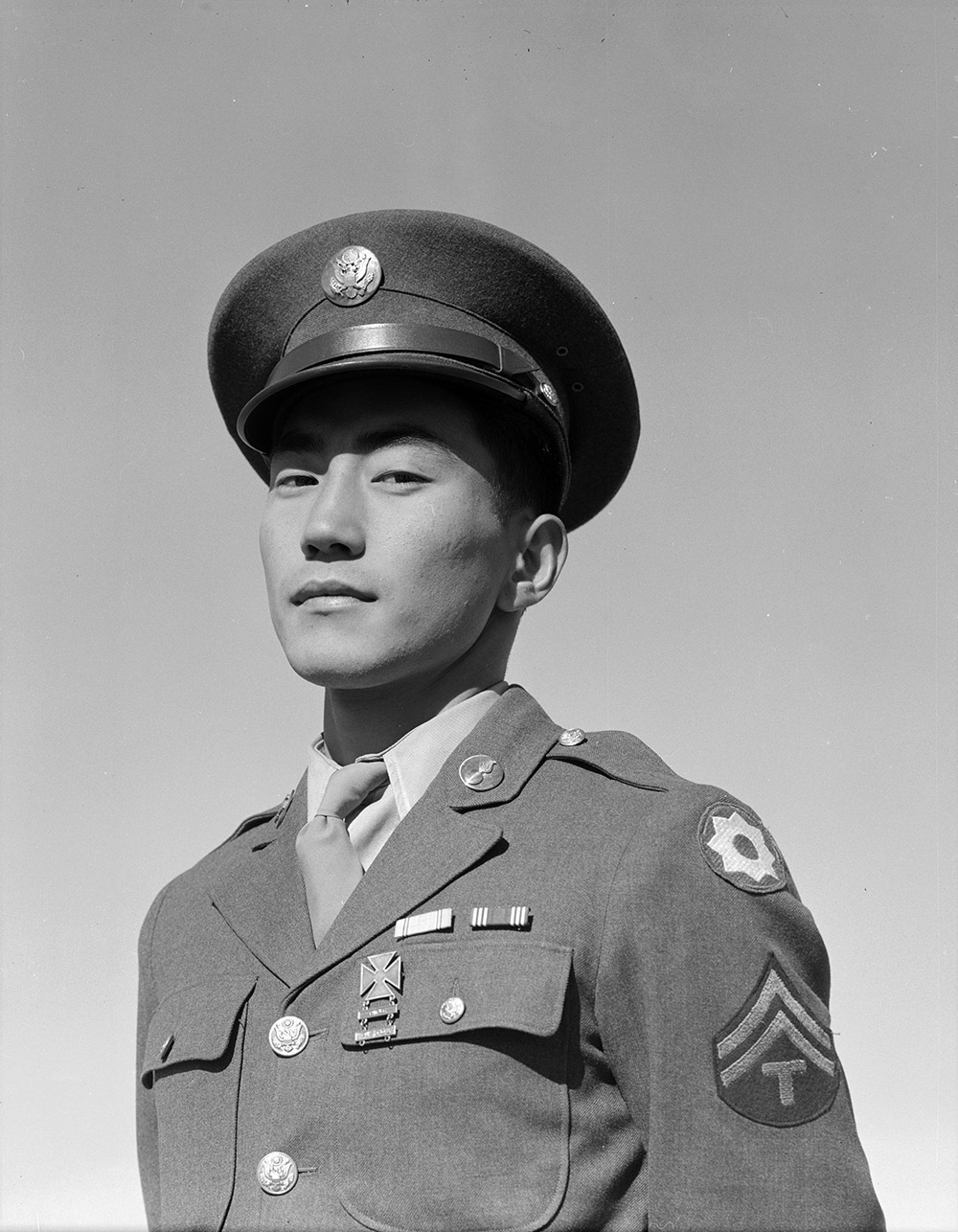 Corporal Jimmie Shohara |
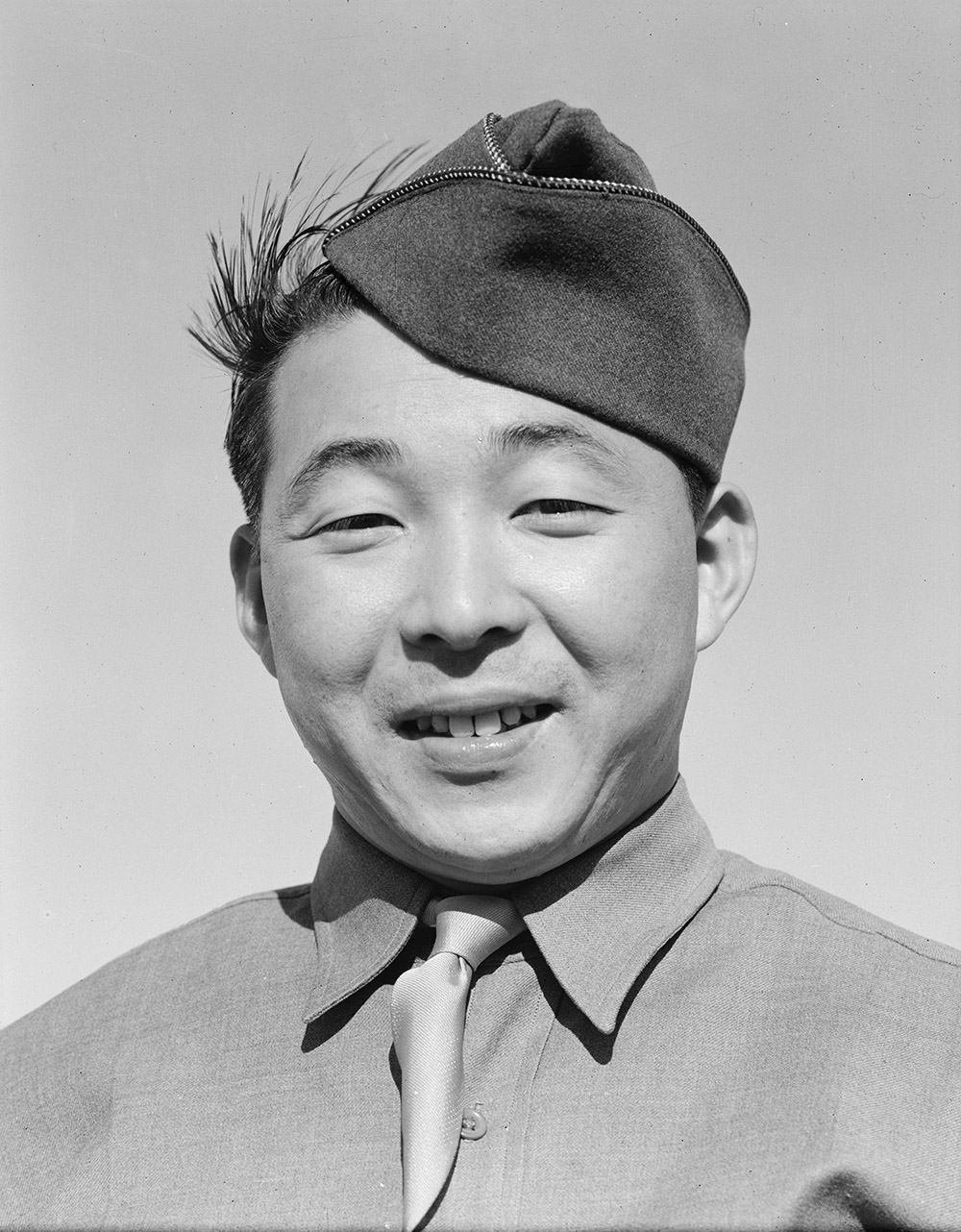 Private Kato |
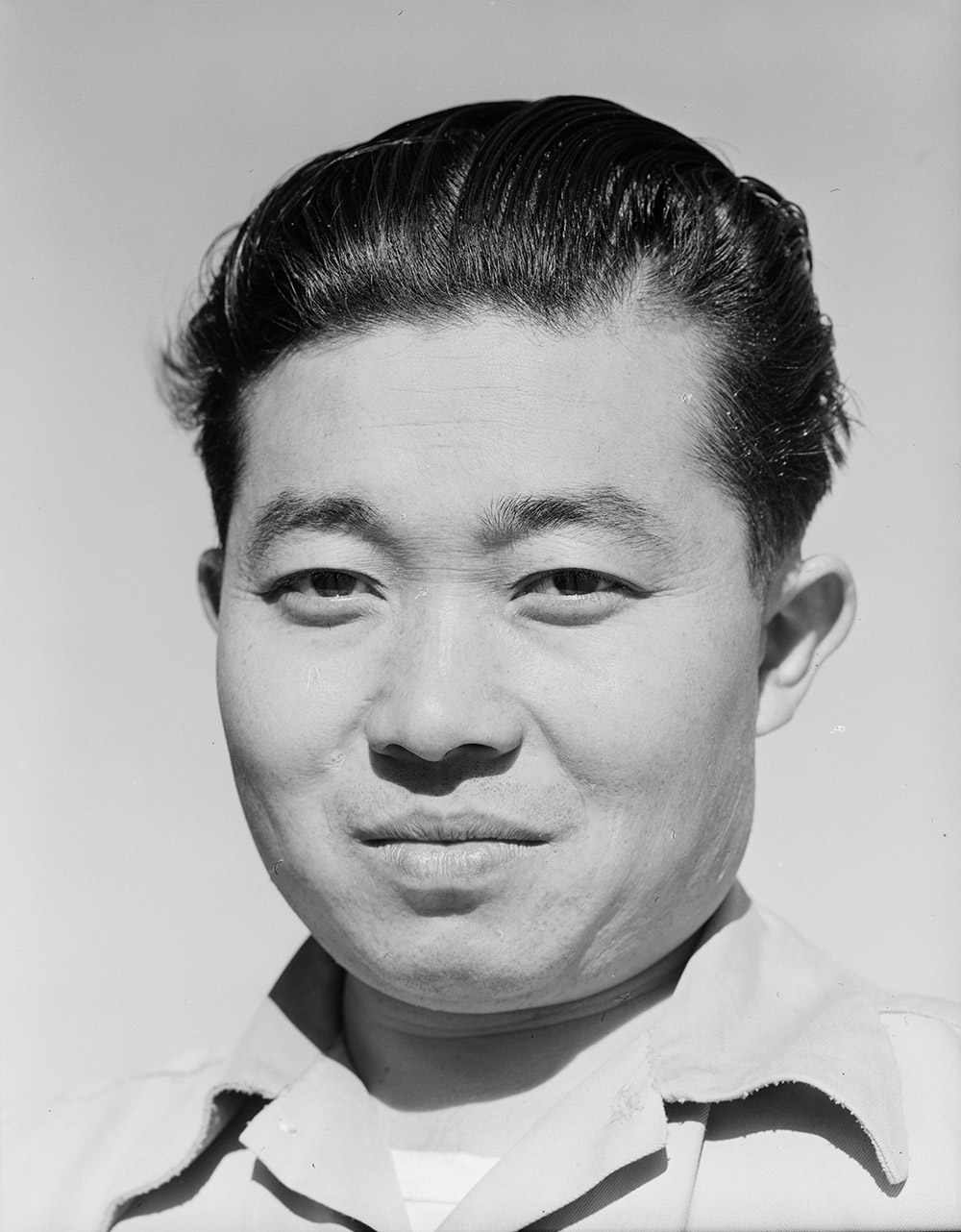 Benji Iguchi - Tractor Driver |
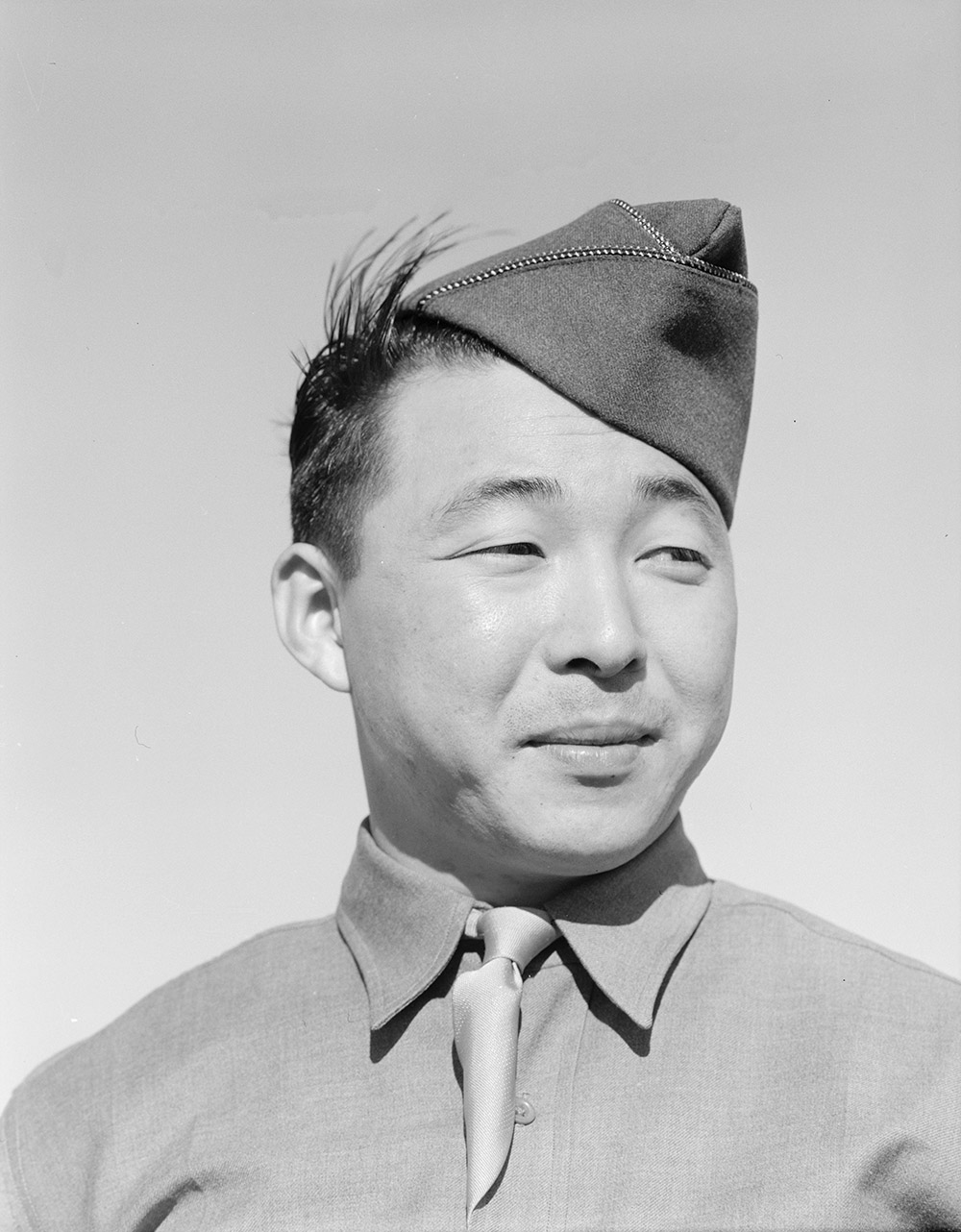 Private Kato |
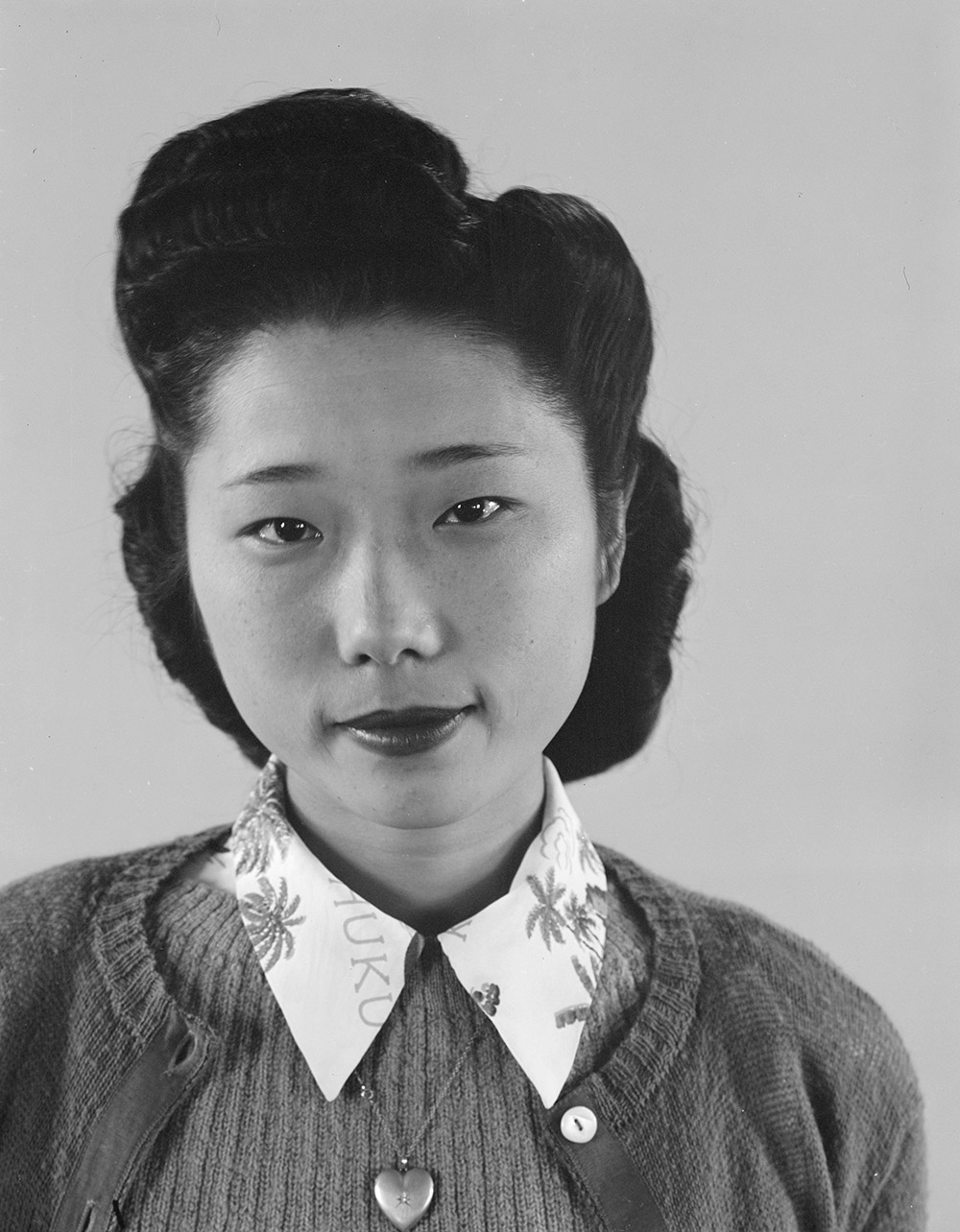 Teruko Kiyomura |
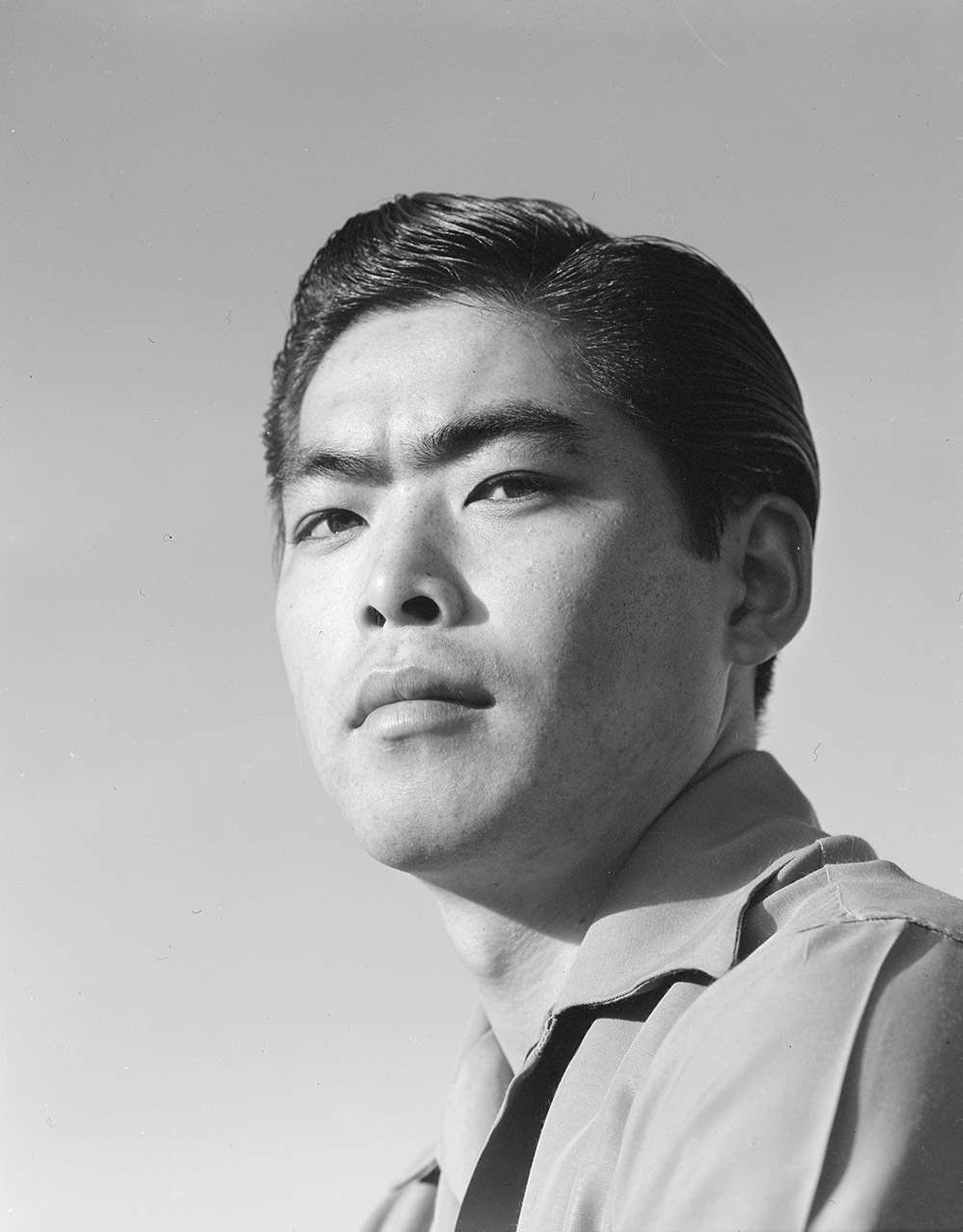 Tom Kobayashi |
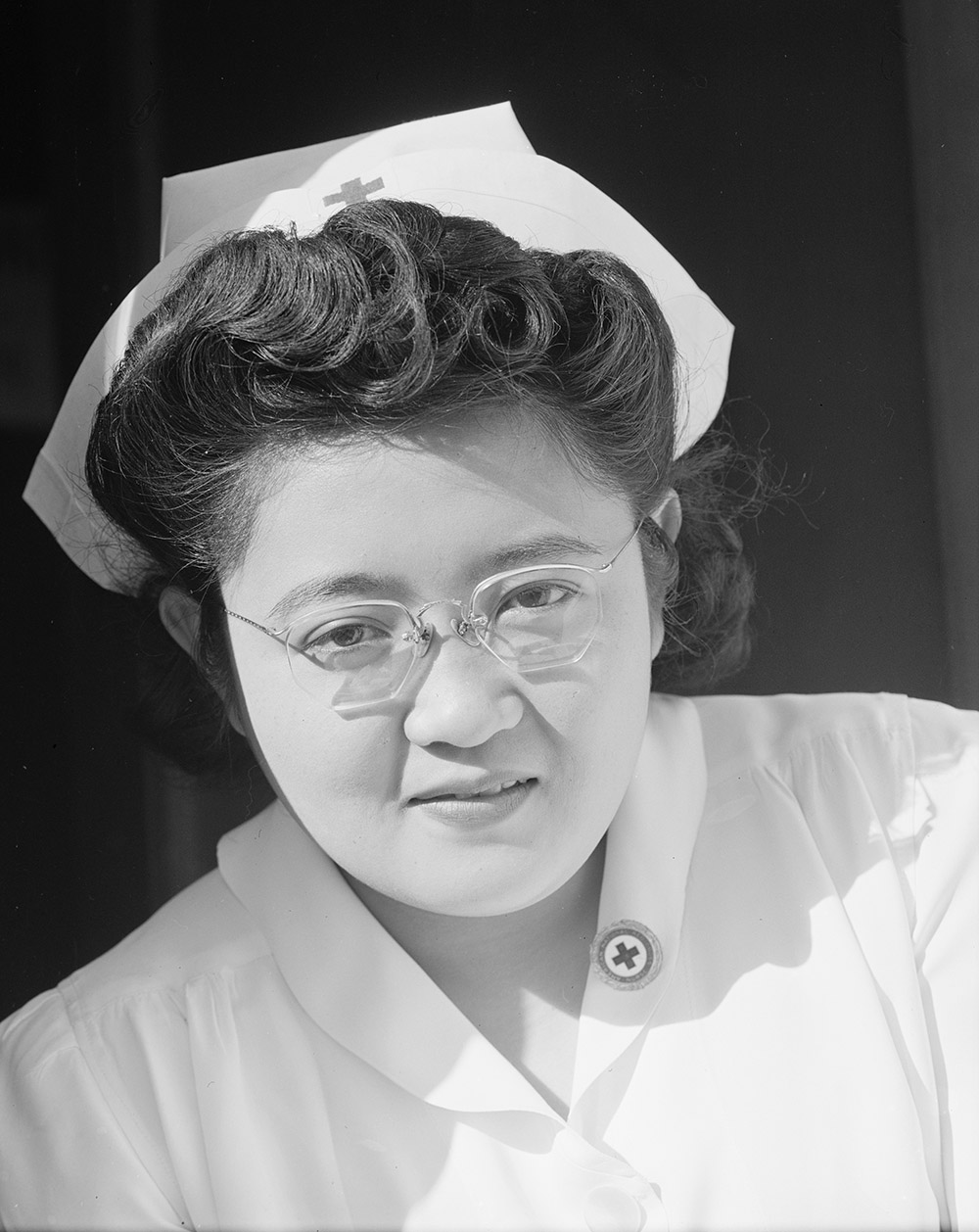 Catherine Natsuko Yamaguchi - Red Cross Instructor |
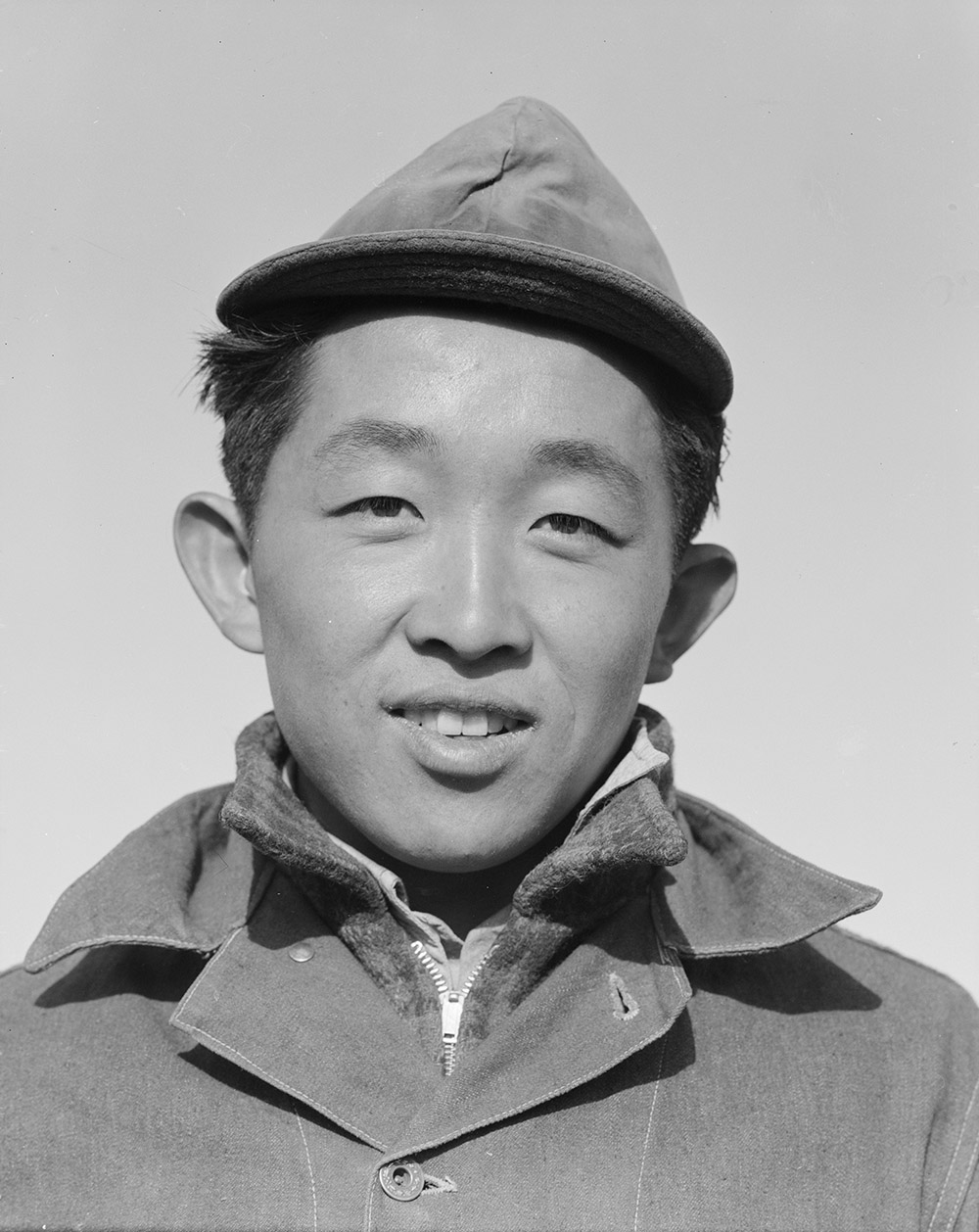 Richard Kobayashi - Farmer |
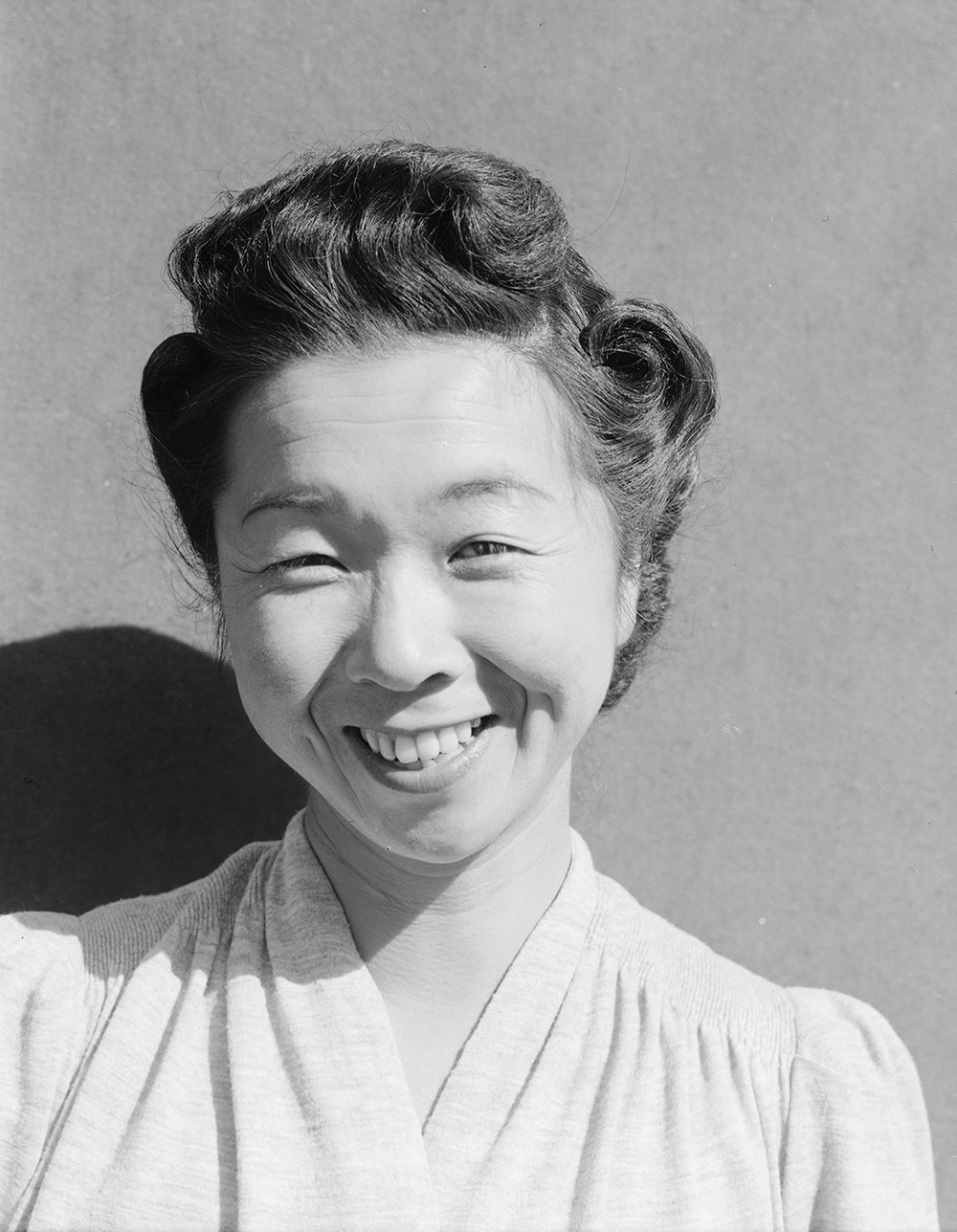 Teruko Kiyomura |
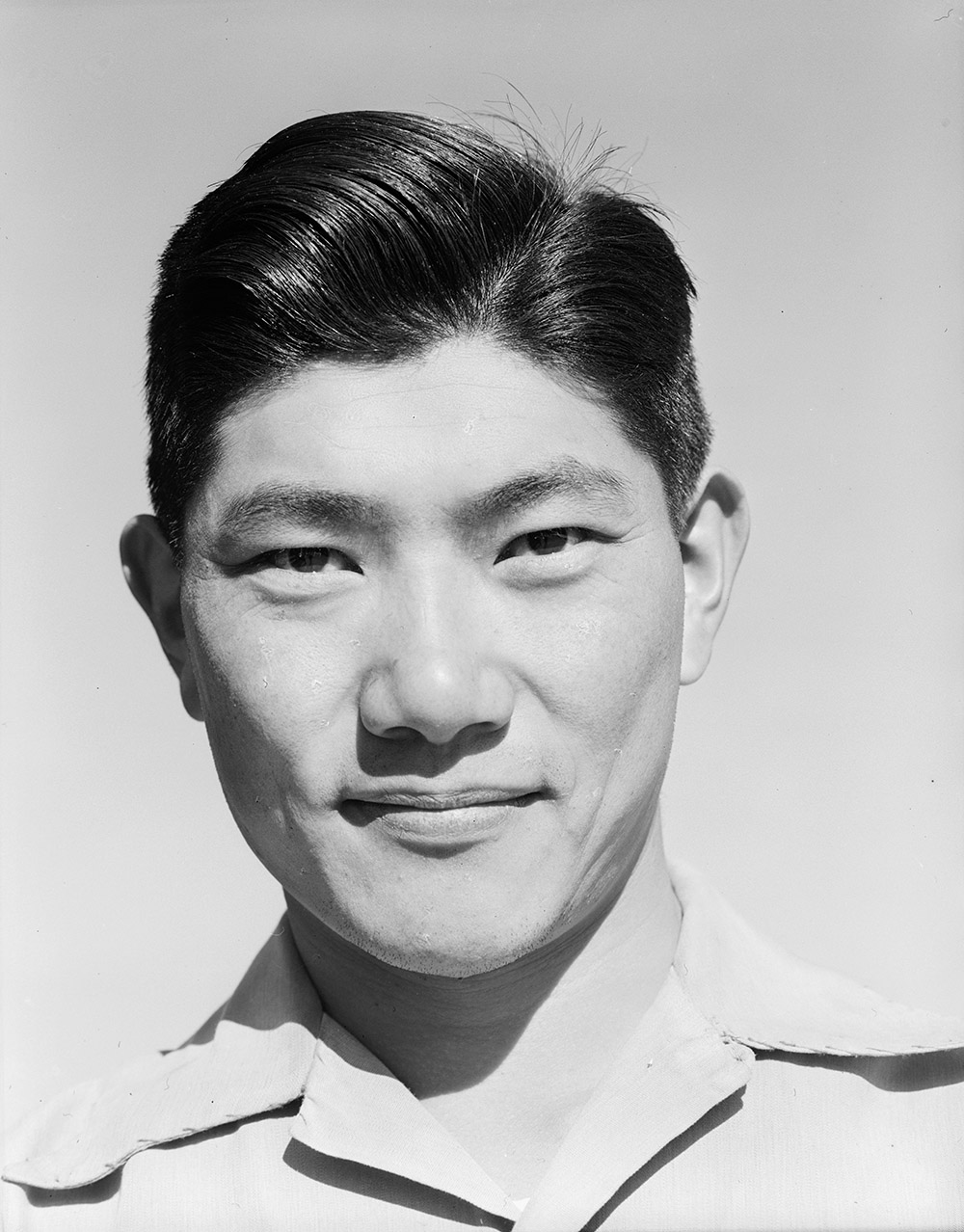 Henry Hanawa - Mechanic |
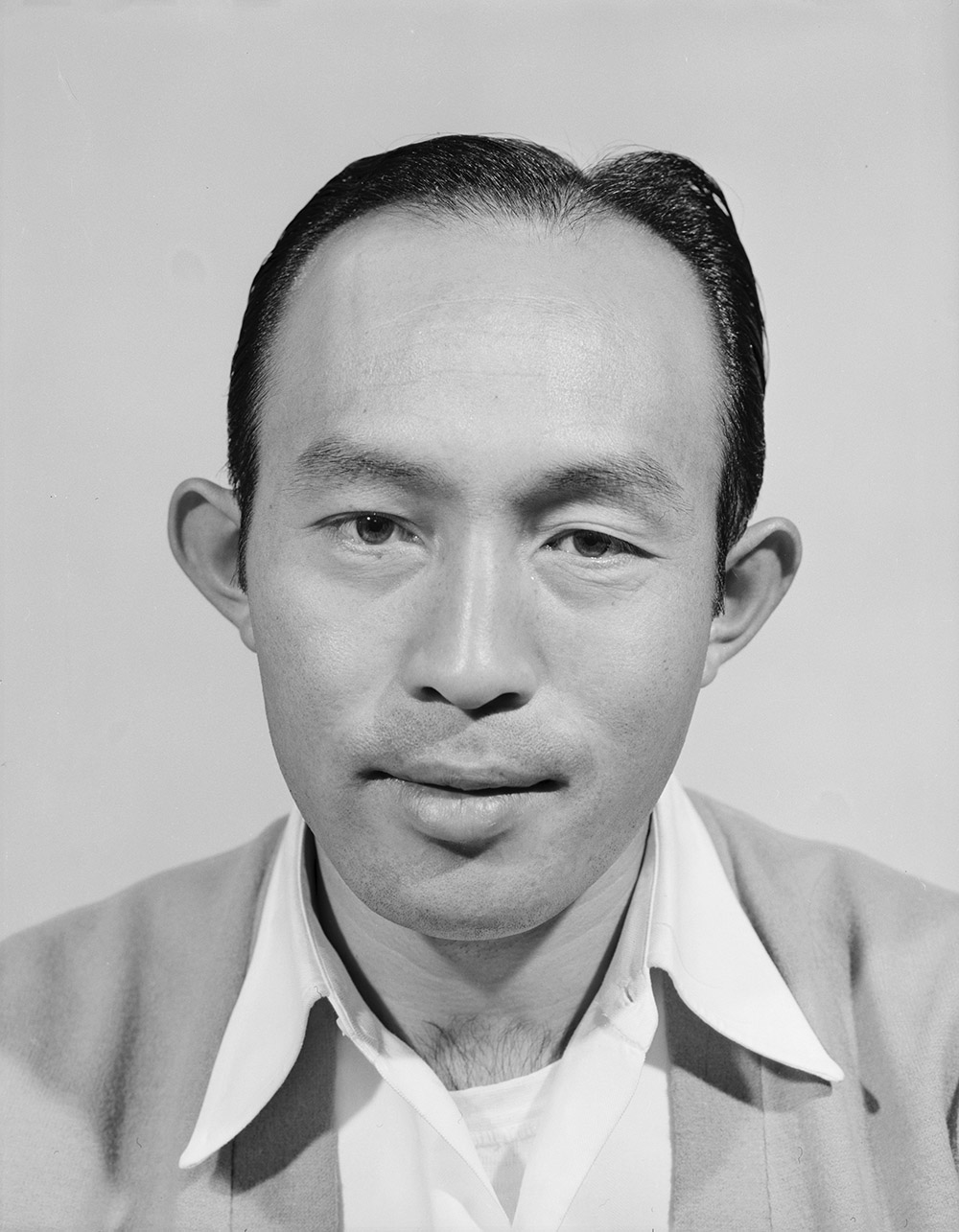 Bunkichi Hayashi |
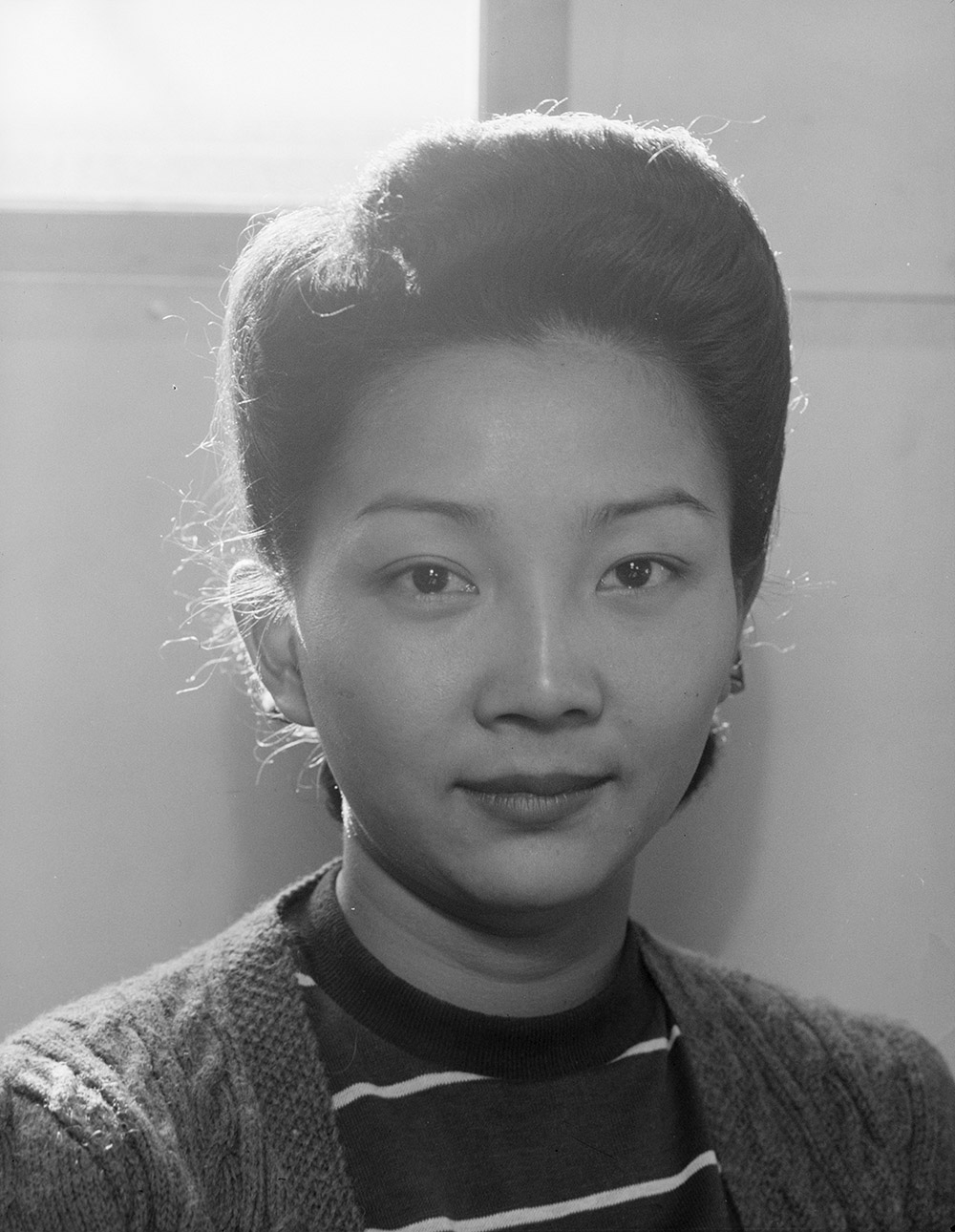 Fumiko Hirata |
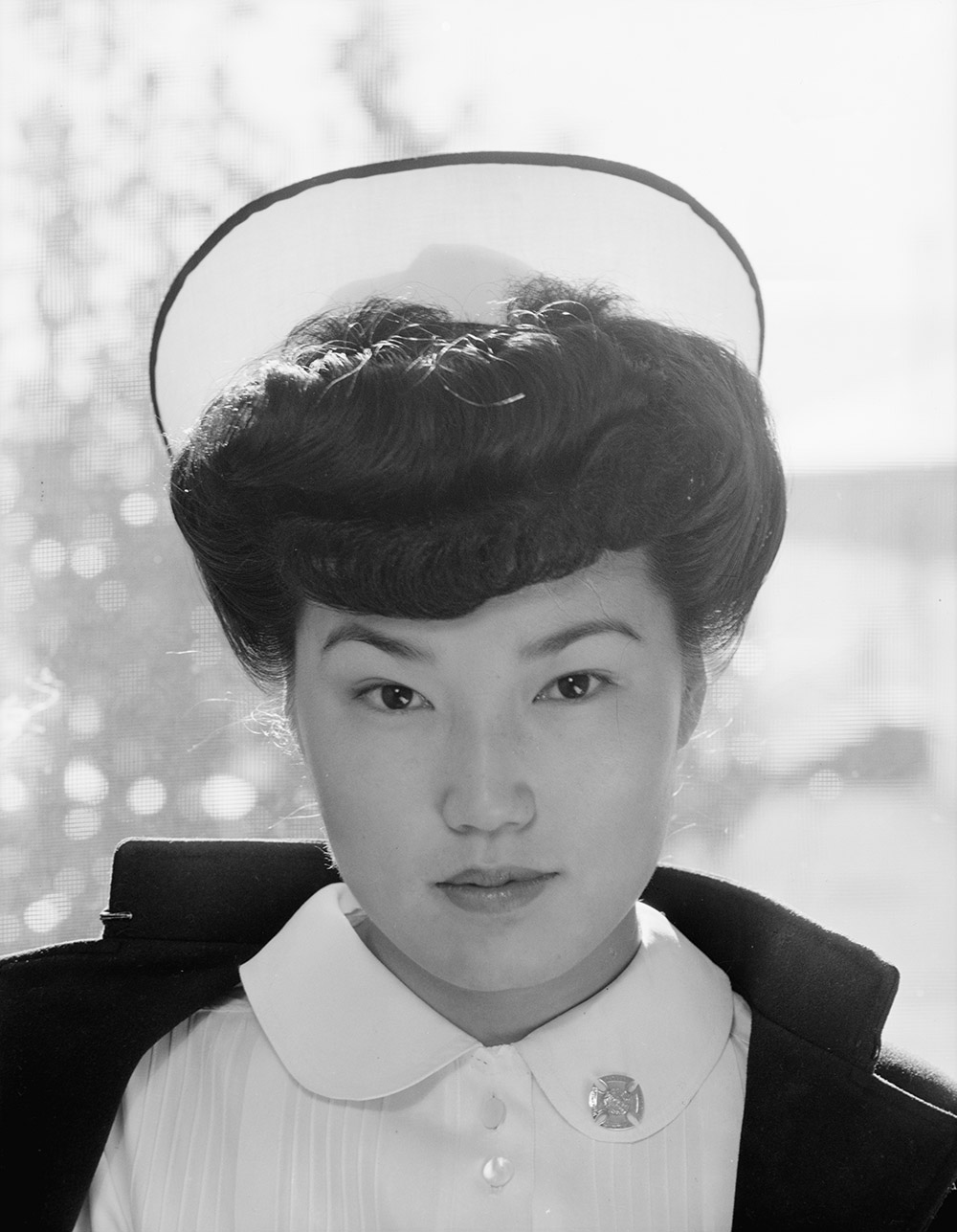 Aiko Hamaguchi - Nurse |
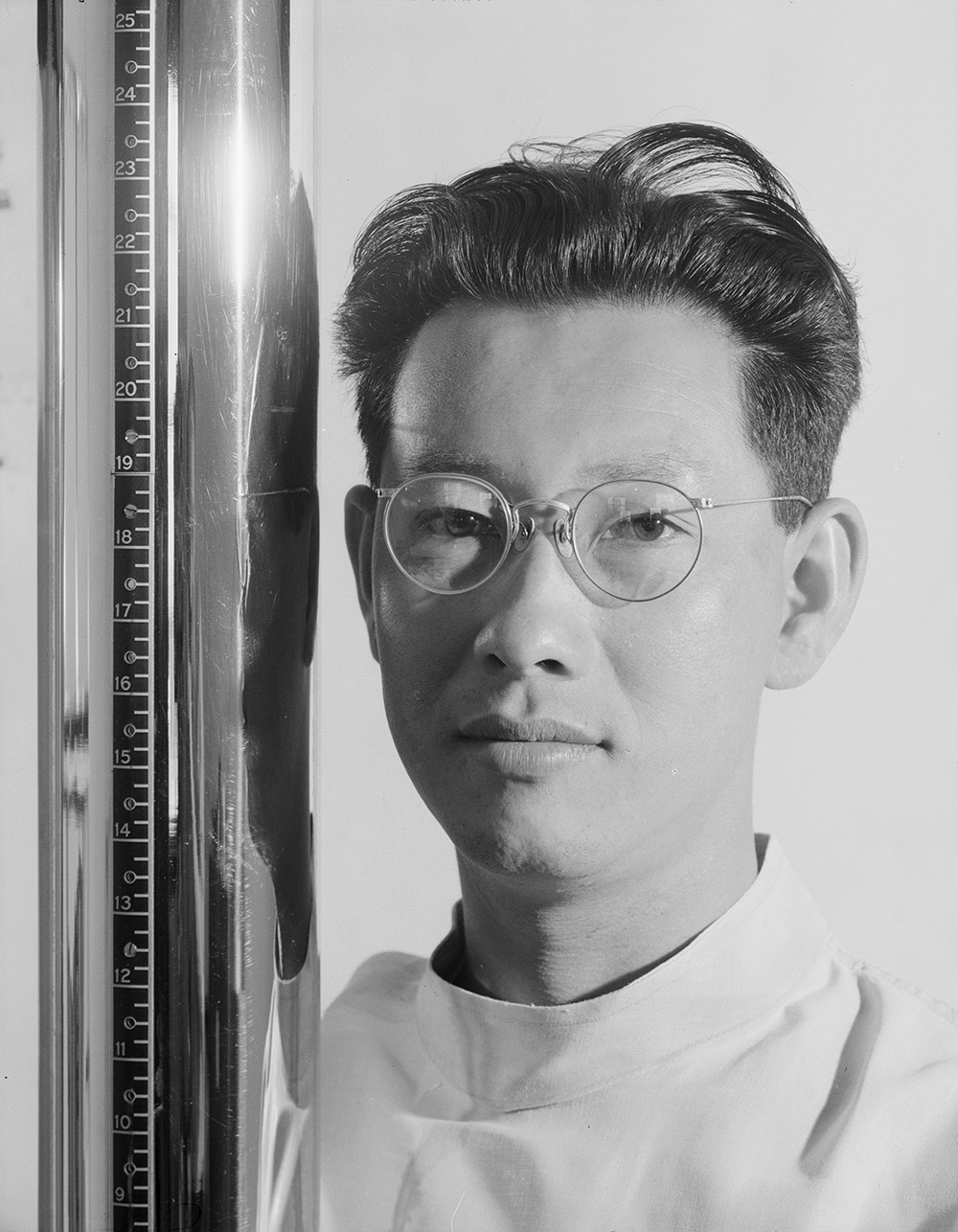 Michael Yonemetsu - X-Ray Specialist |
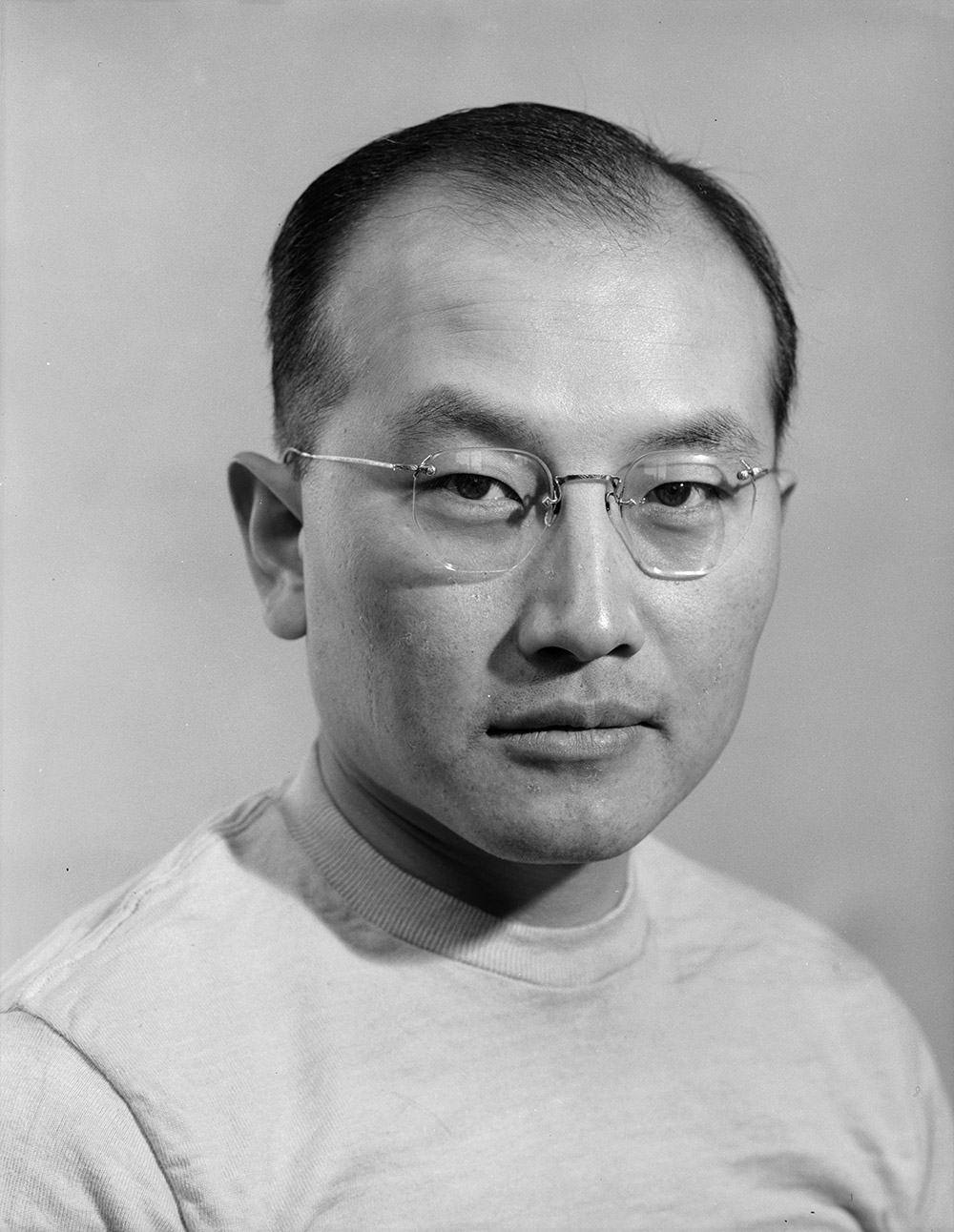 Roy Takeno - Manzanar Free Press Editor |
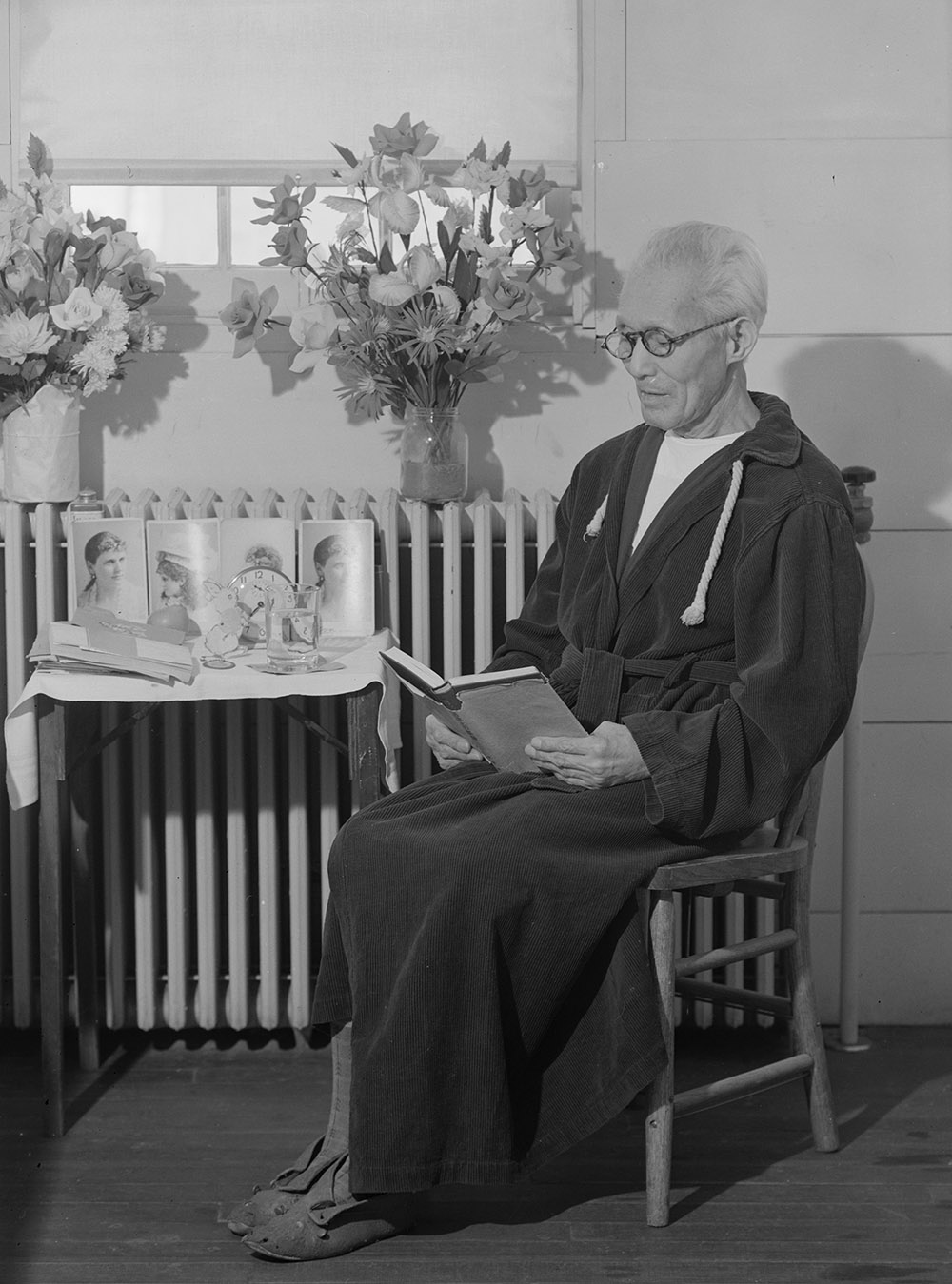 Harry Sumida in the Hospital |
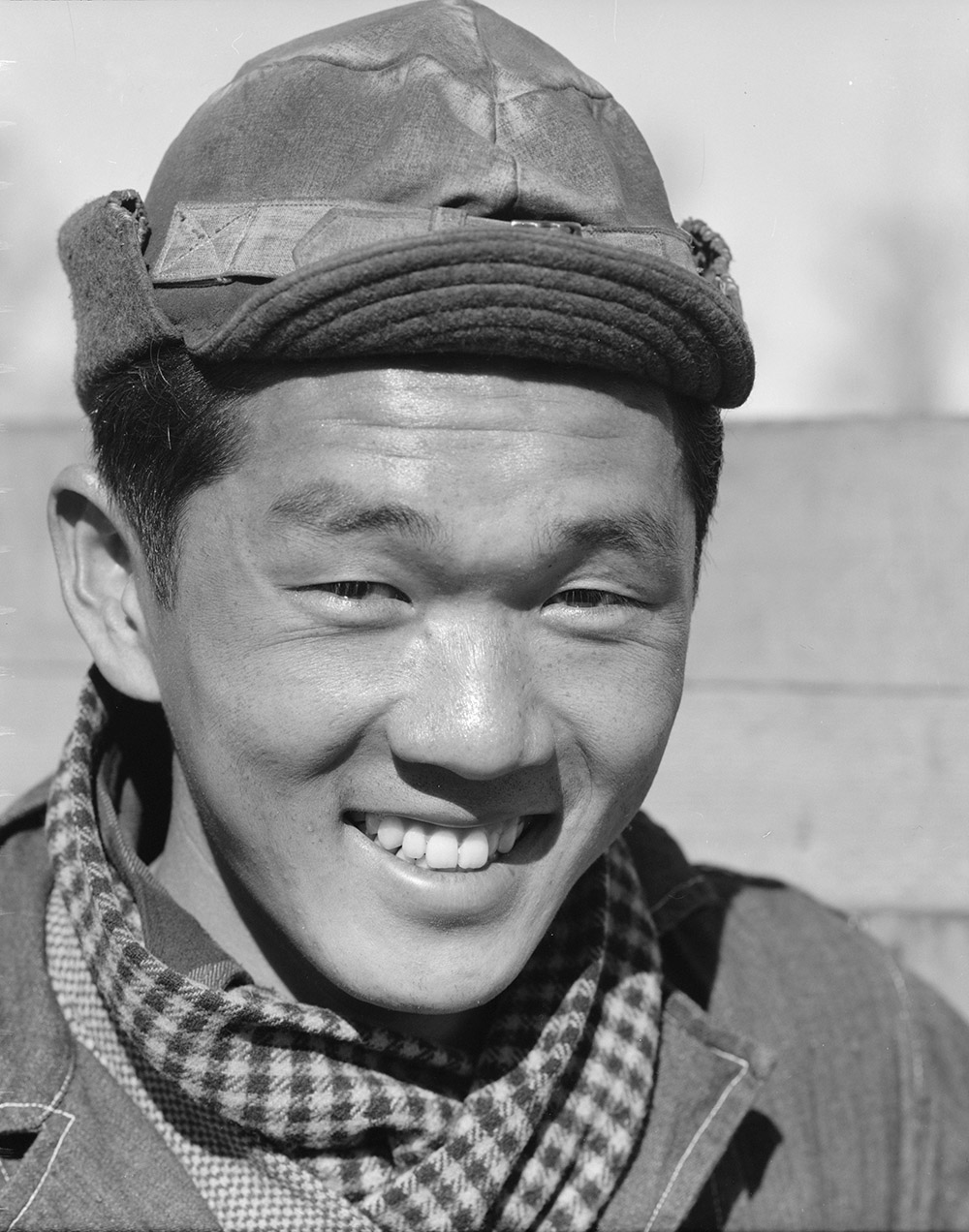 Kenji Sano |
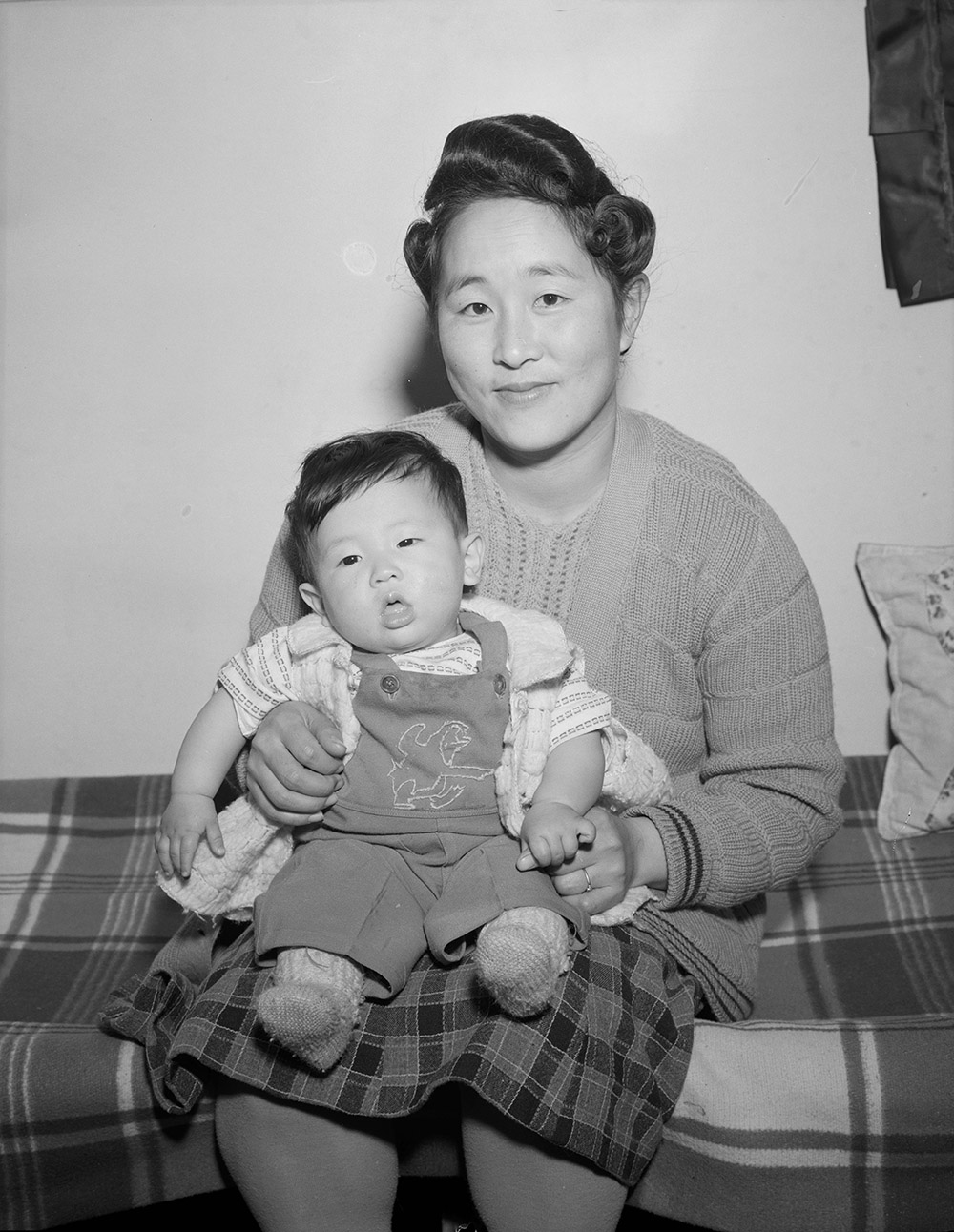 Mitsu Nakai and baby |
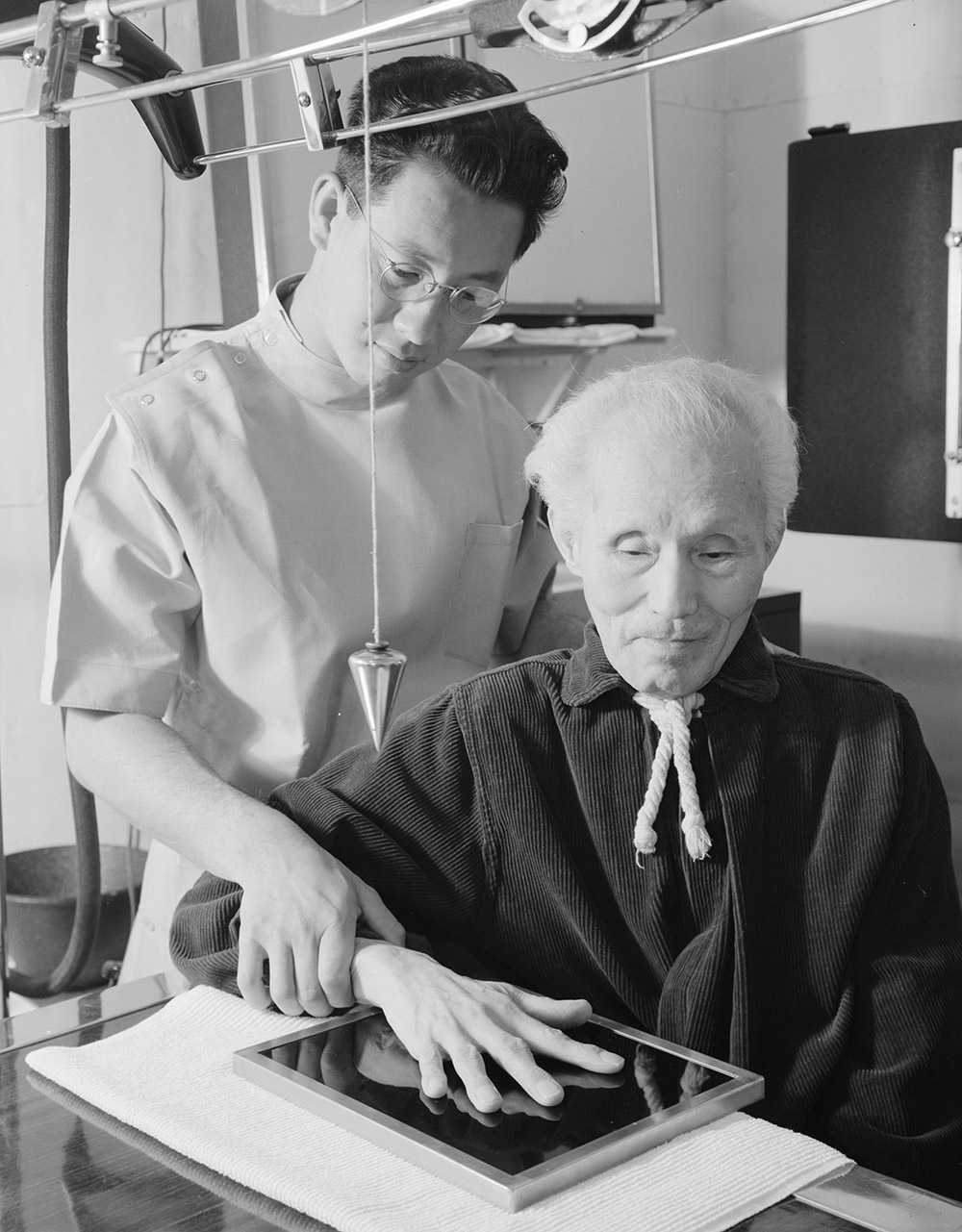 L/R: Michael Yonemitsu, Harry Sumida |
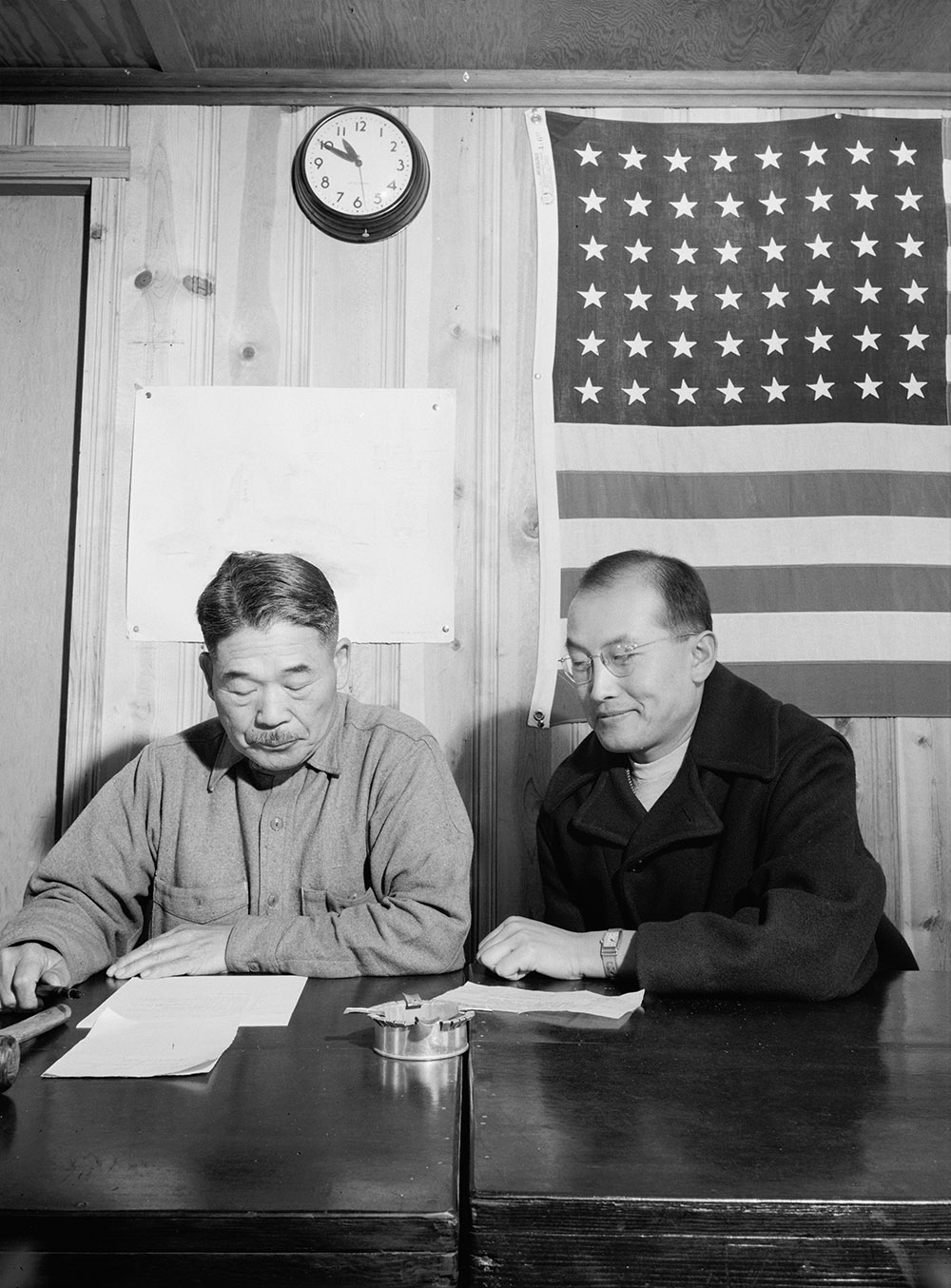 L/R: The mayor and Roy Takeno |
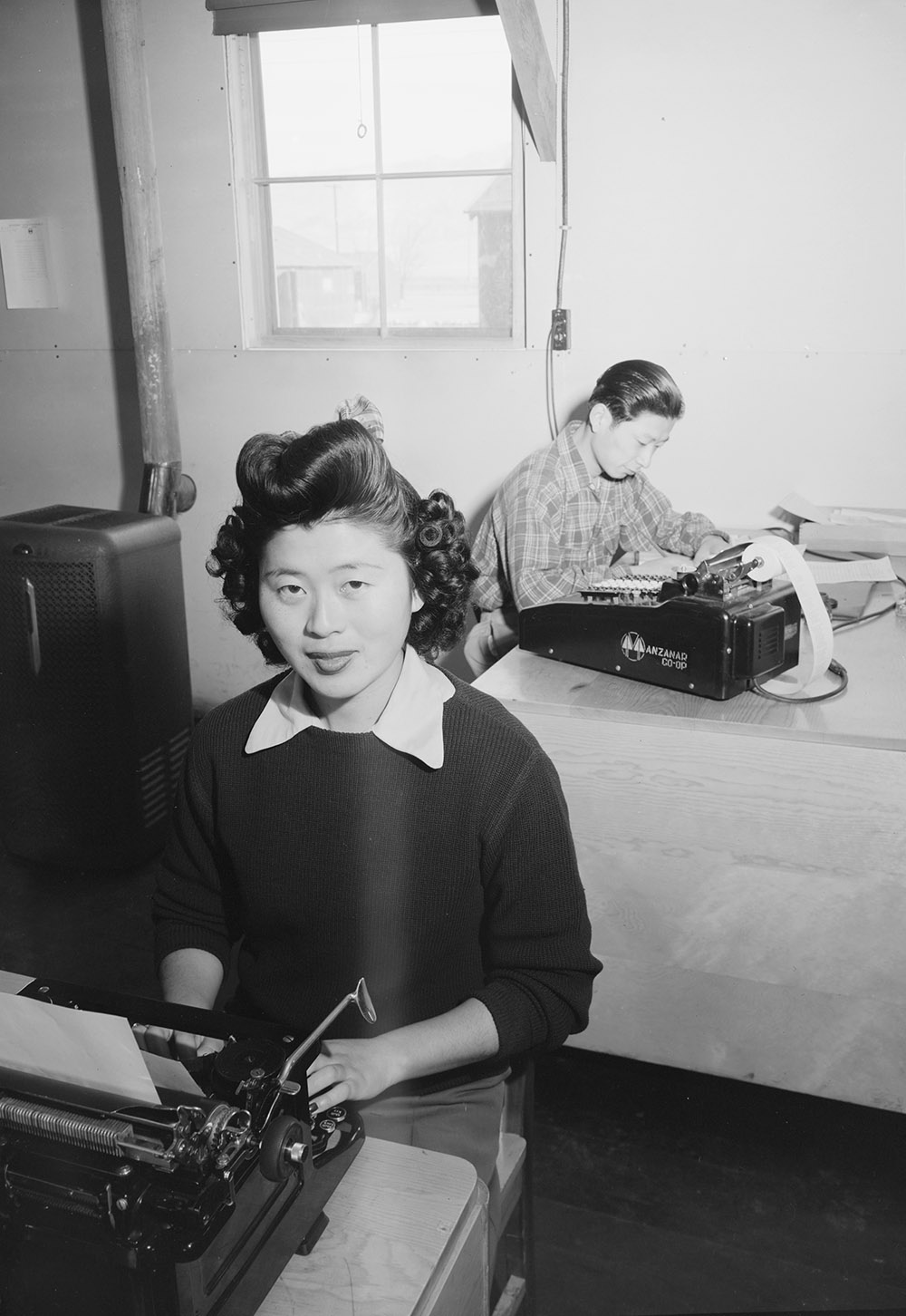 Rose Fukuda and Roy Takeda |
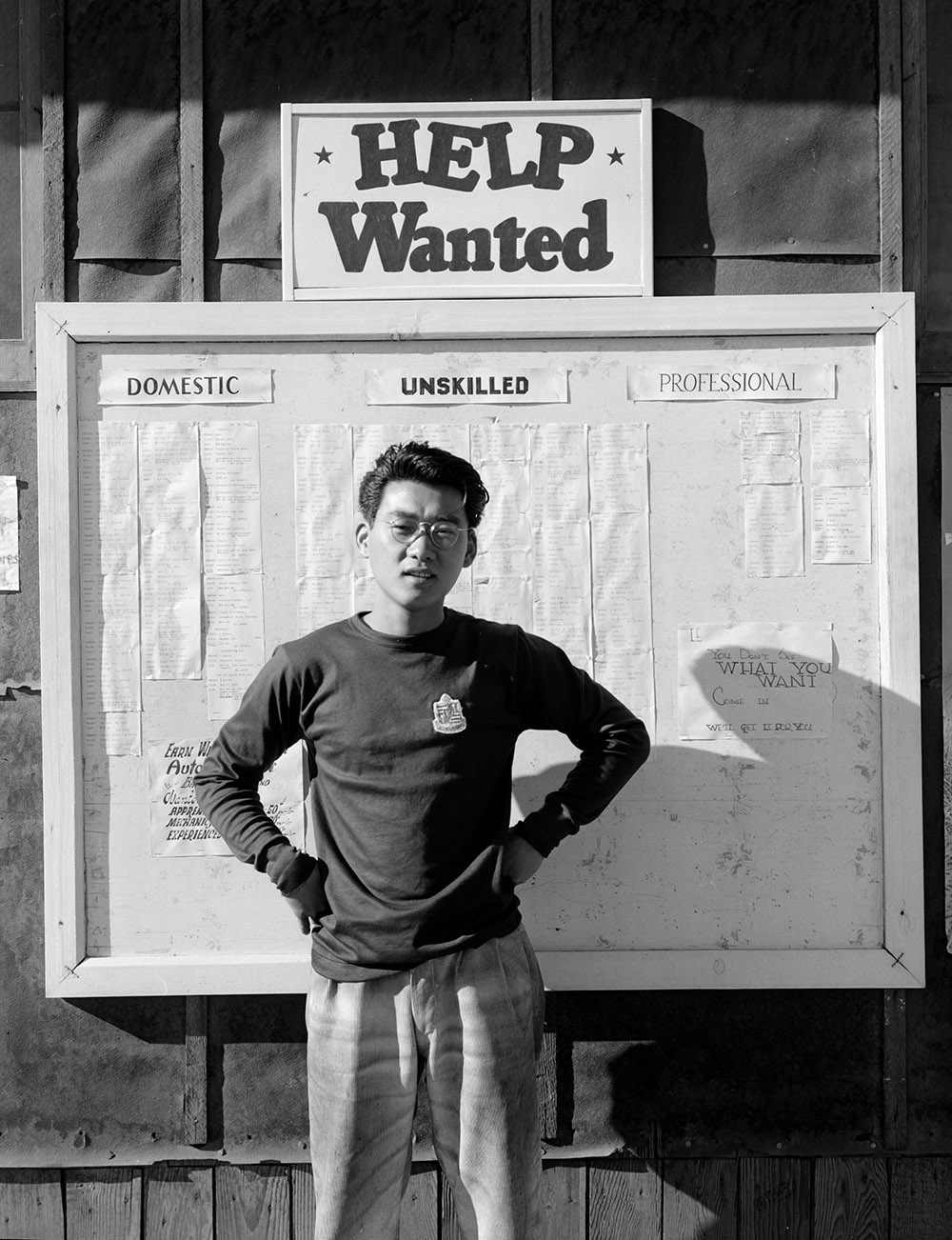 Phil Hara |
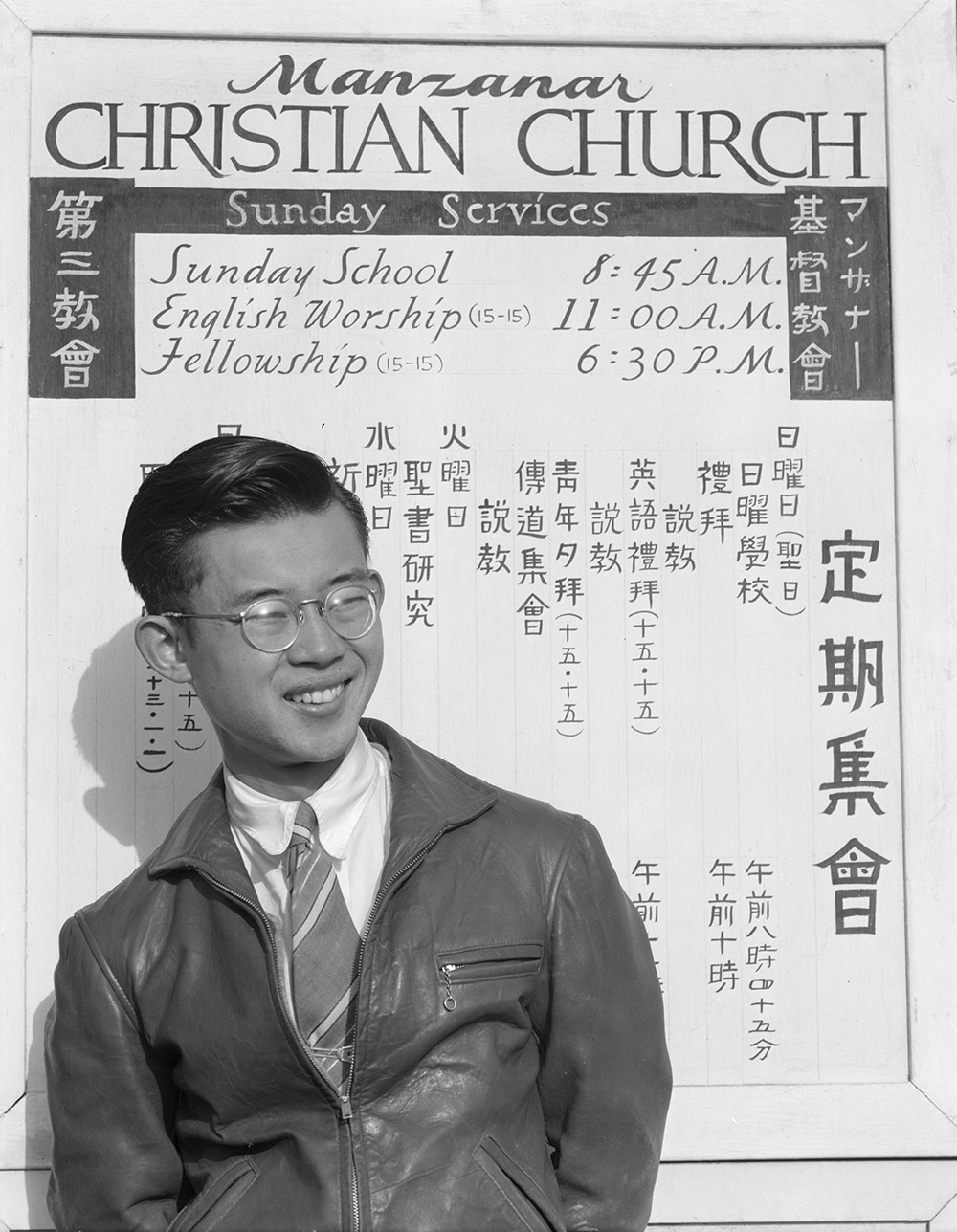 Tatsuo Miyake - student of divinity |
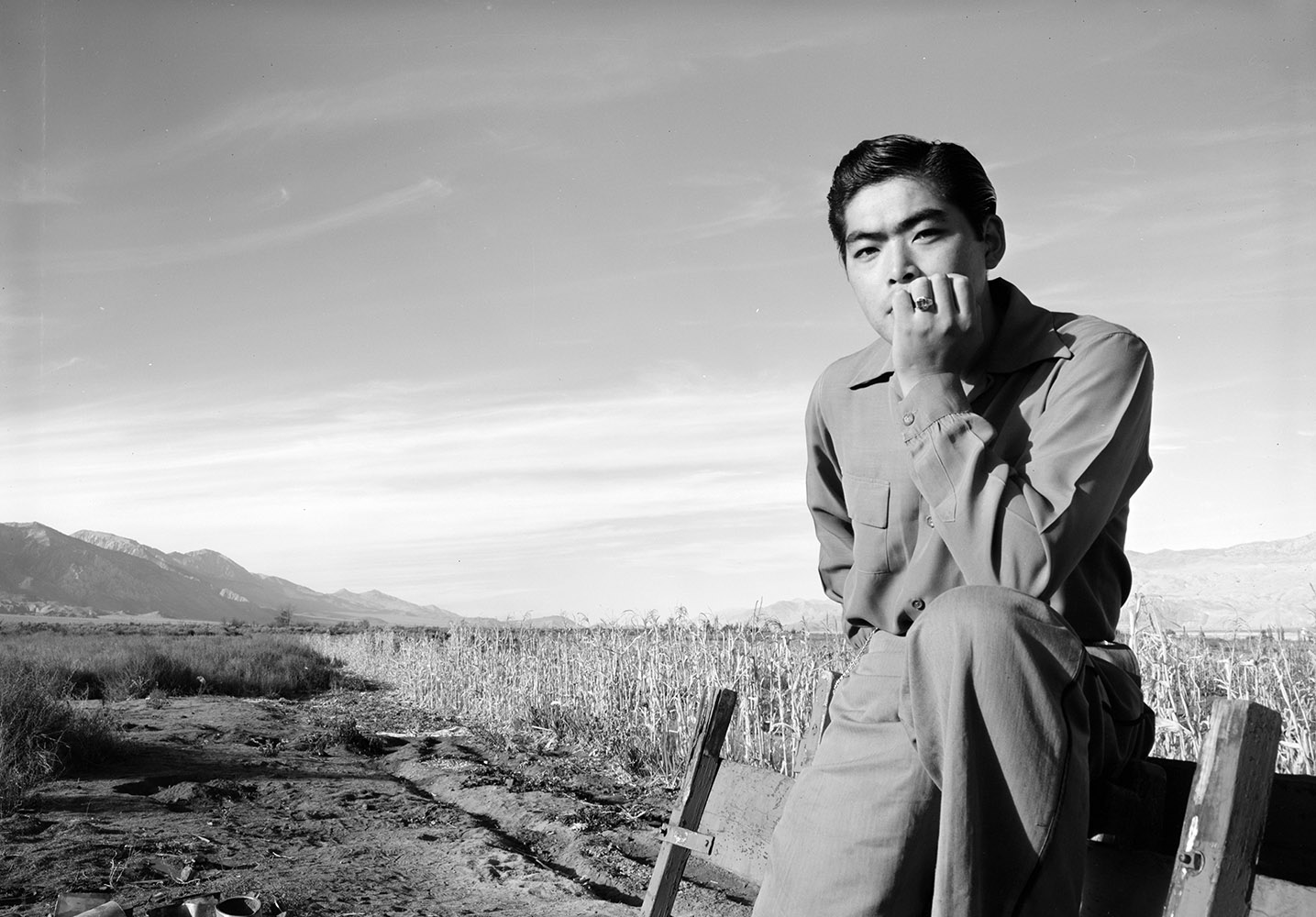 Tom Kobayashi |
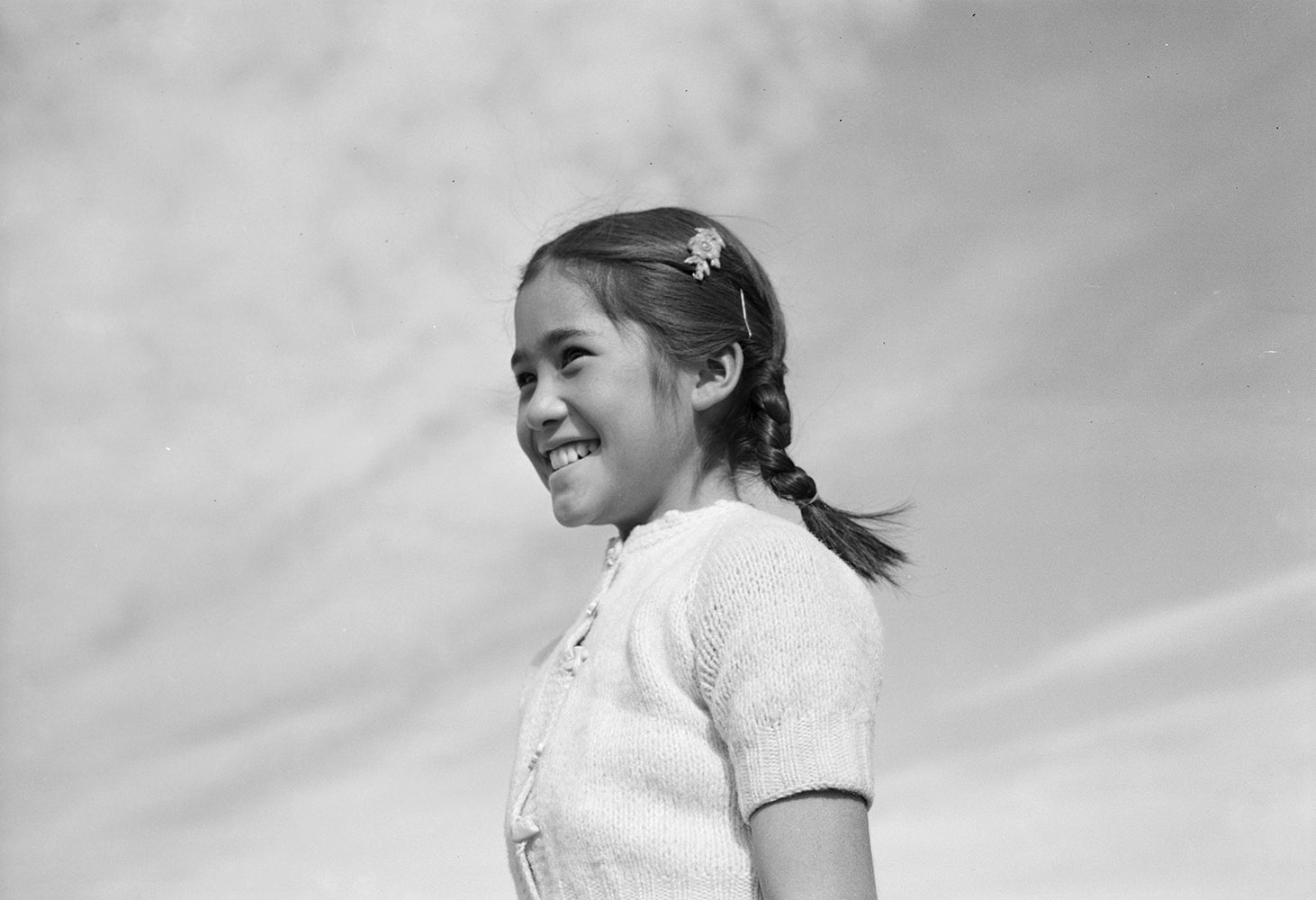 Smiling Girl |
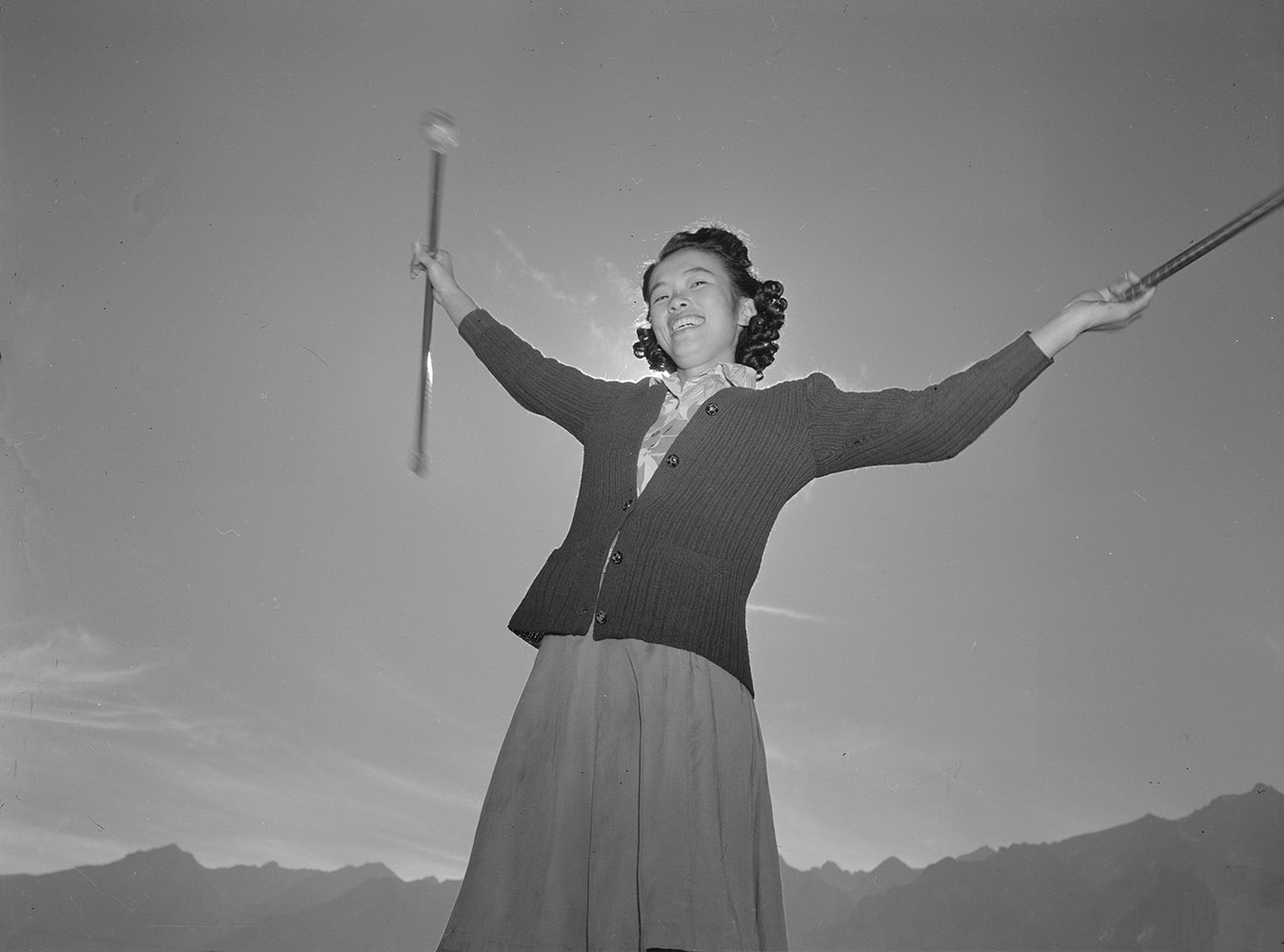 Florence Kuwata at Baton Practice |
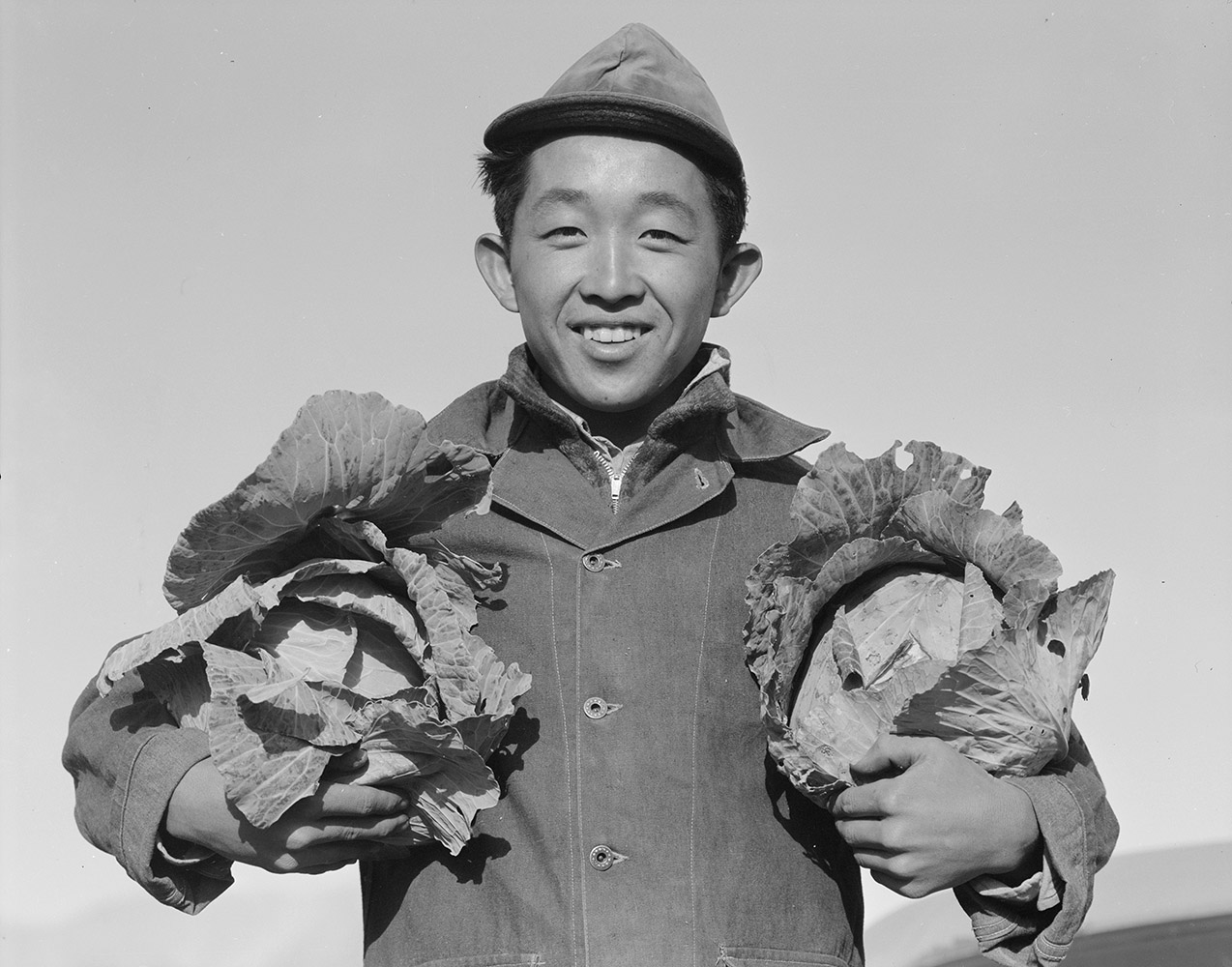 Richard Kobayashi - Farmer with Cabbages |
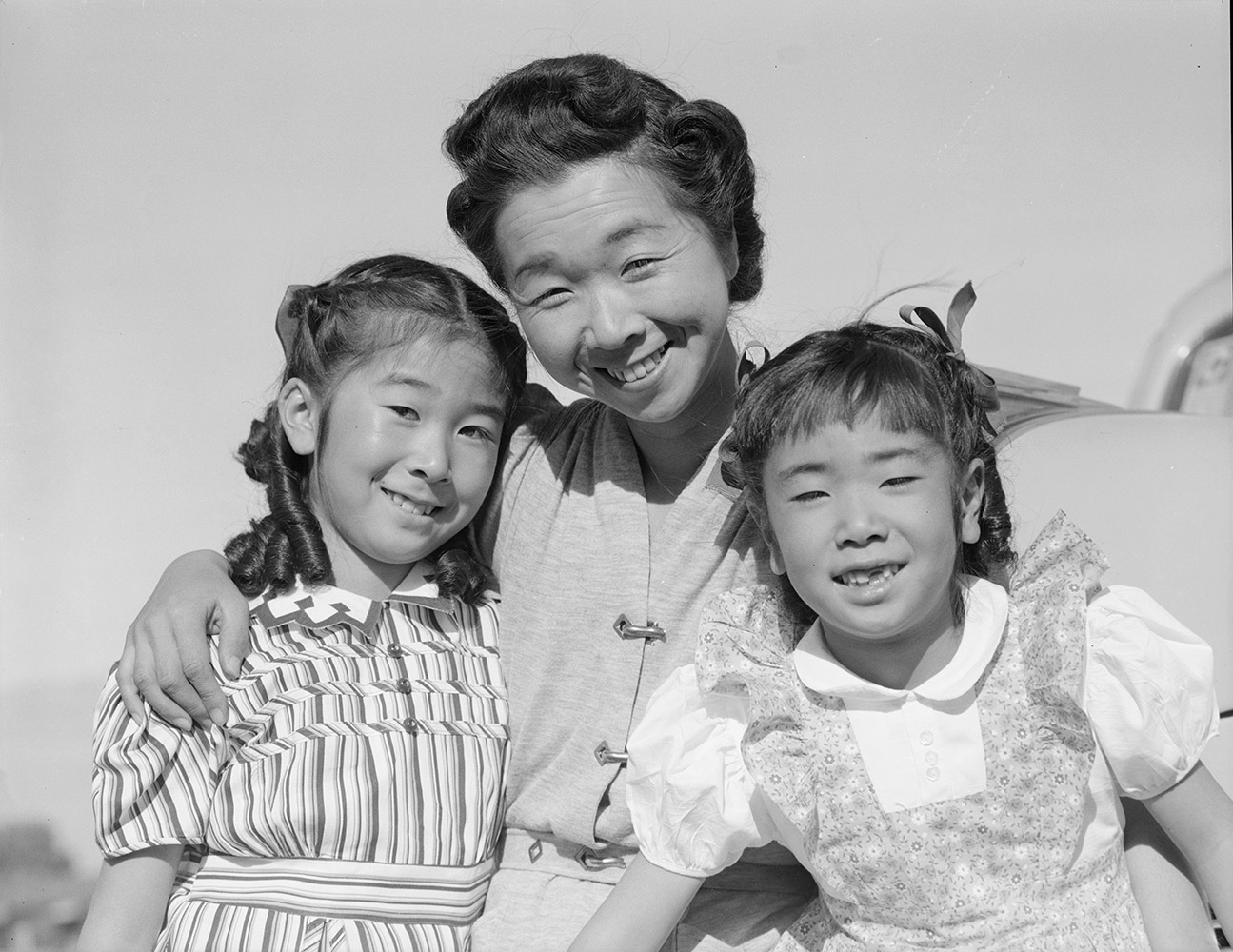 Mrs. Nakamura with daughters Joyce Yuki and Louise Tami |
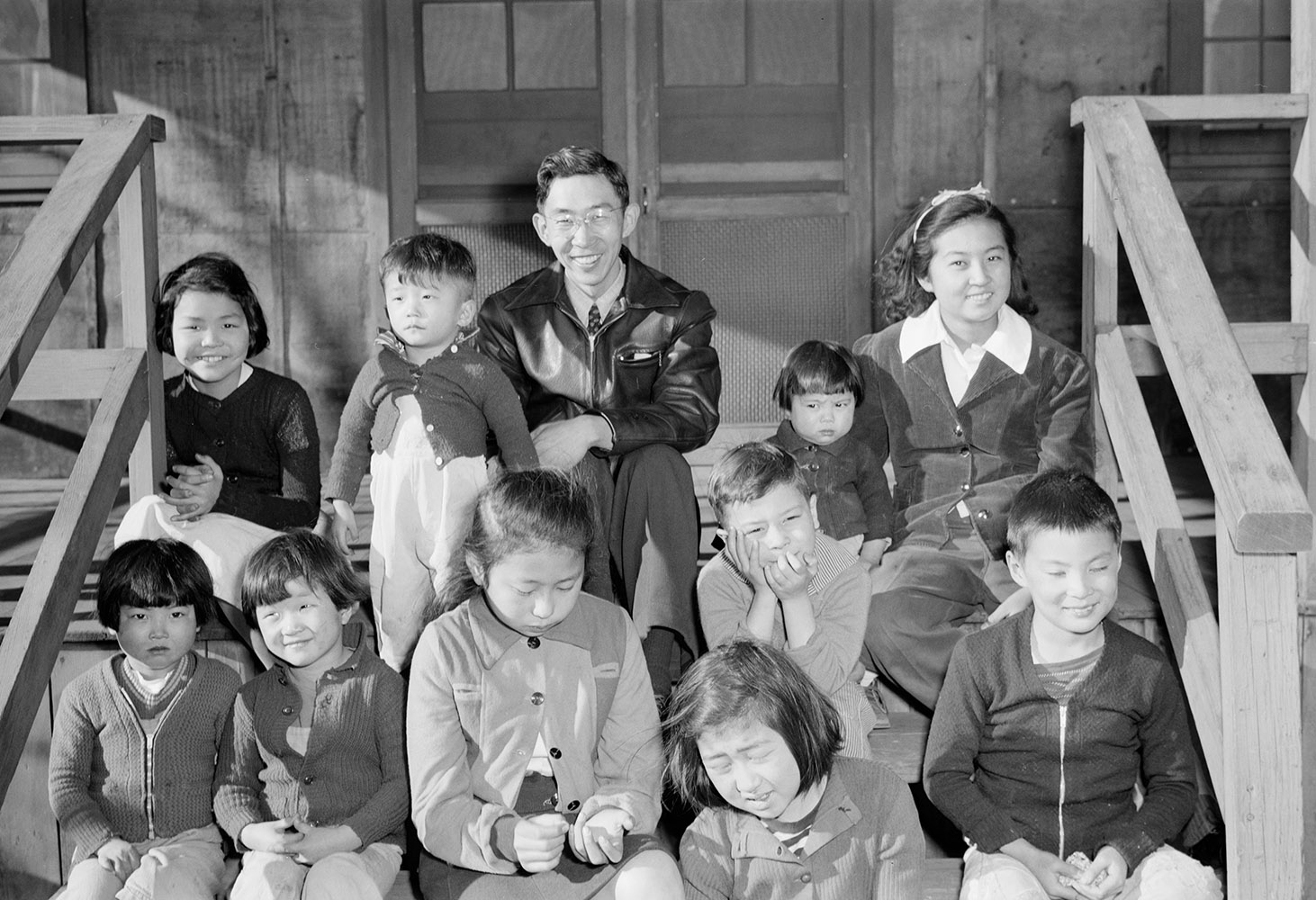 Mr. Msatsumoto and children |
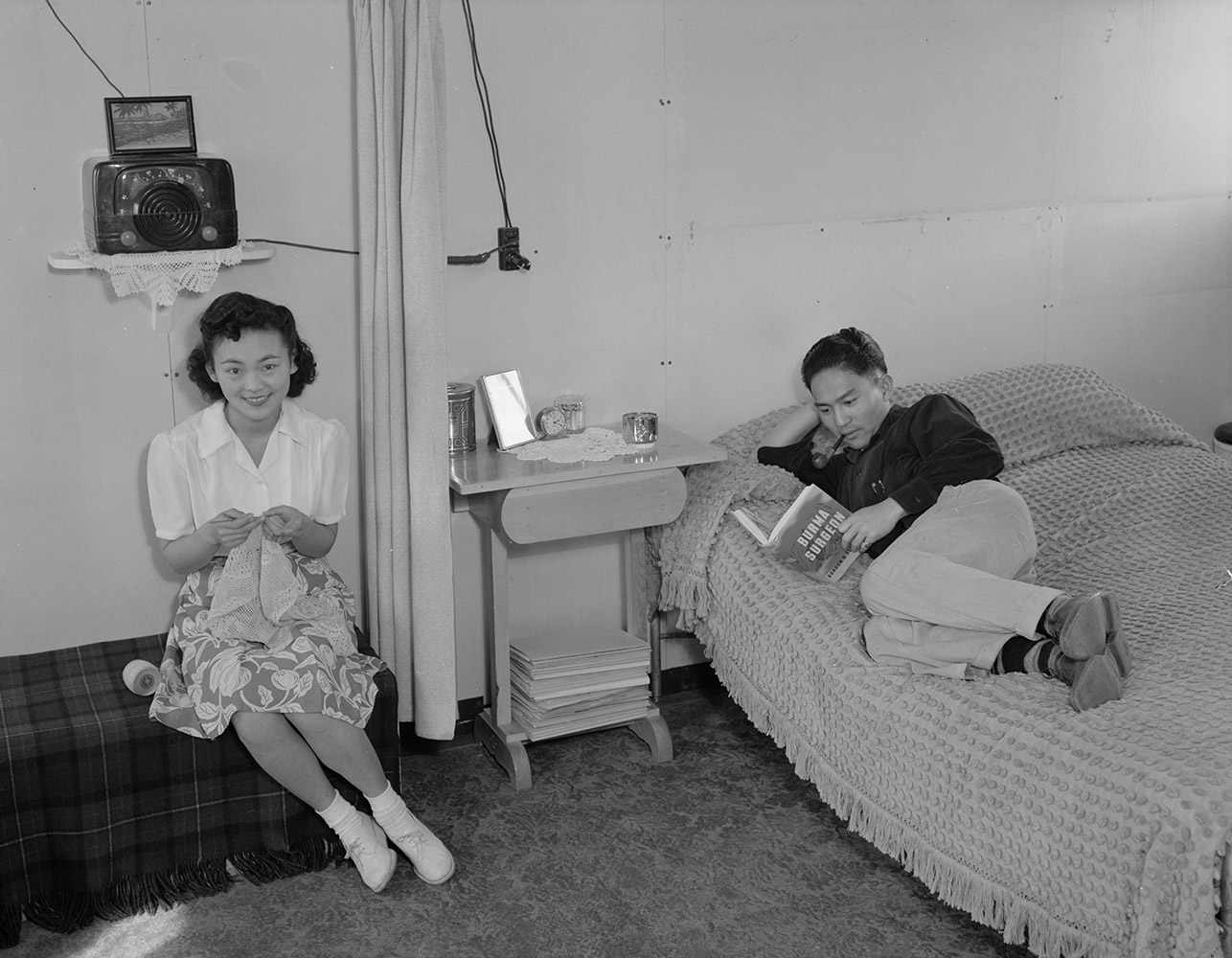 Mr. and Mrs. Dennis Shimizu |
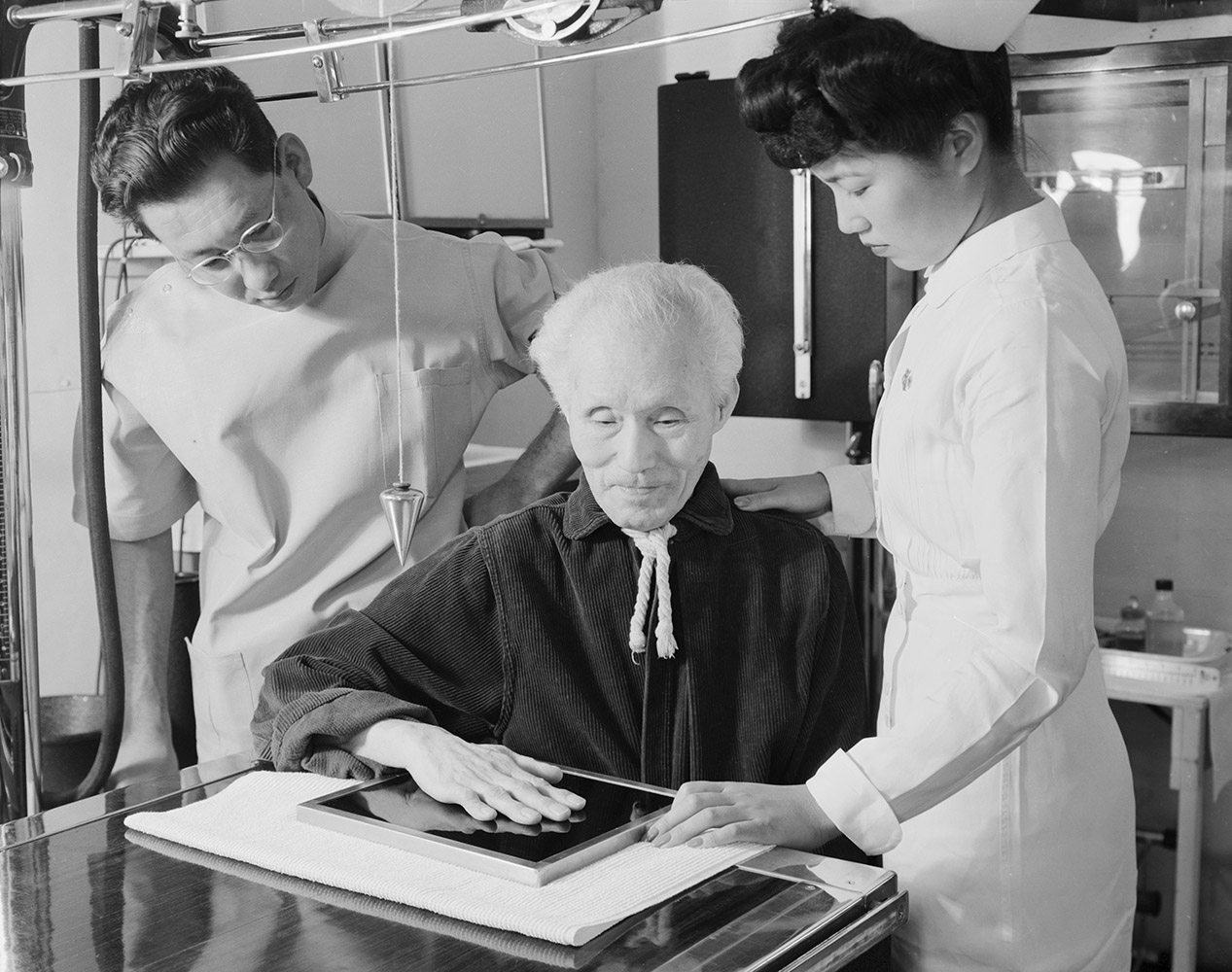 L/R: Michael Yonemitsu, Harry Sumida, nurse |
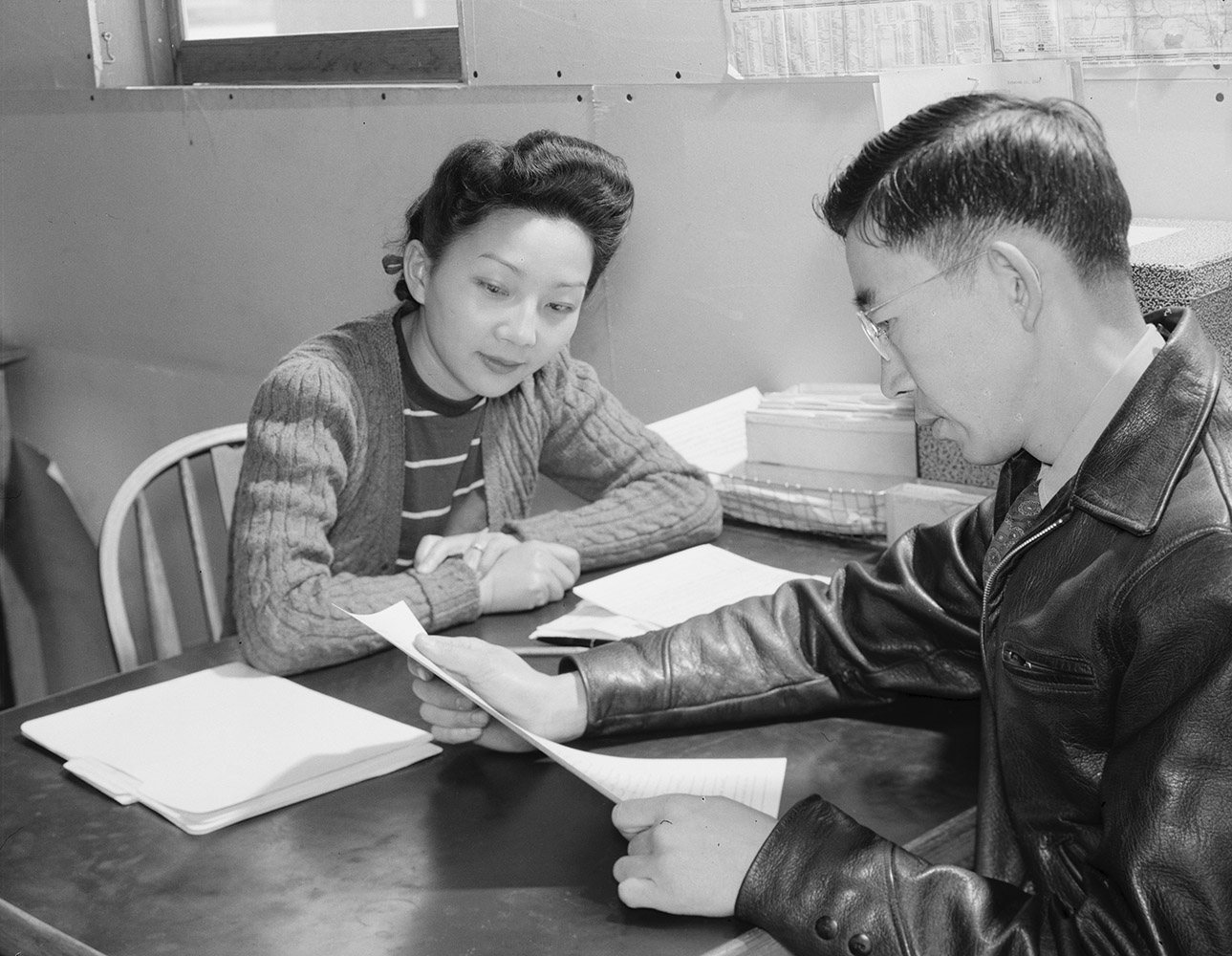 Mrs. Matsumoto and Fumiko Harata |
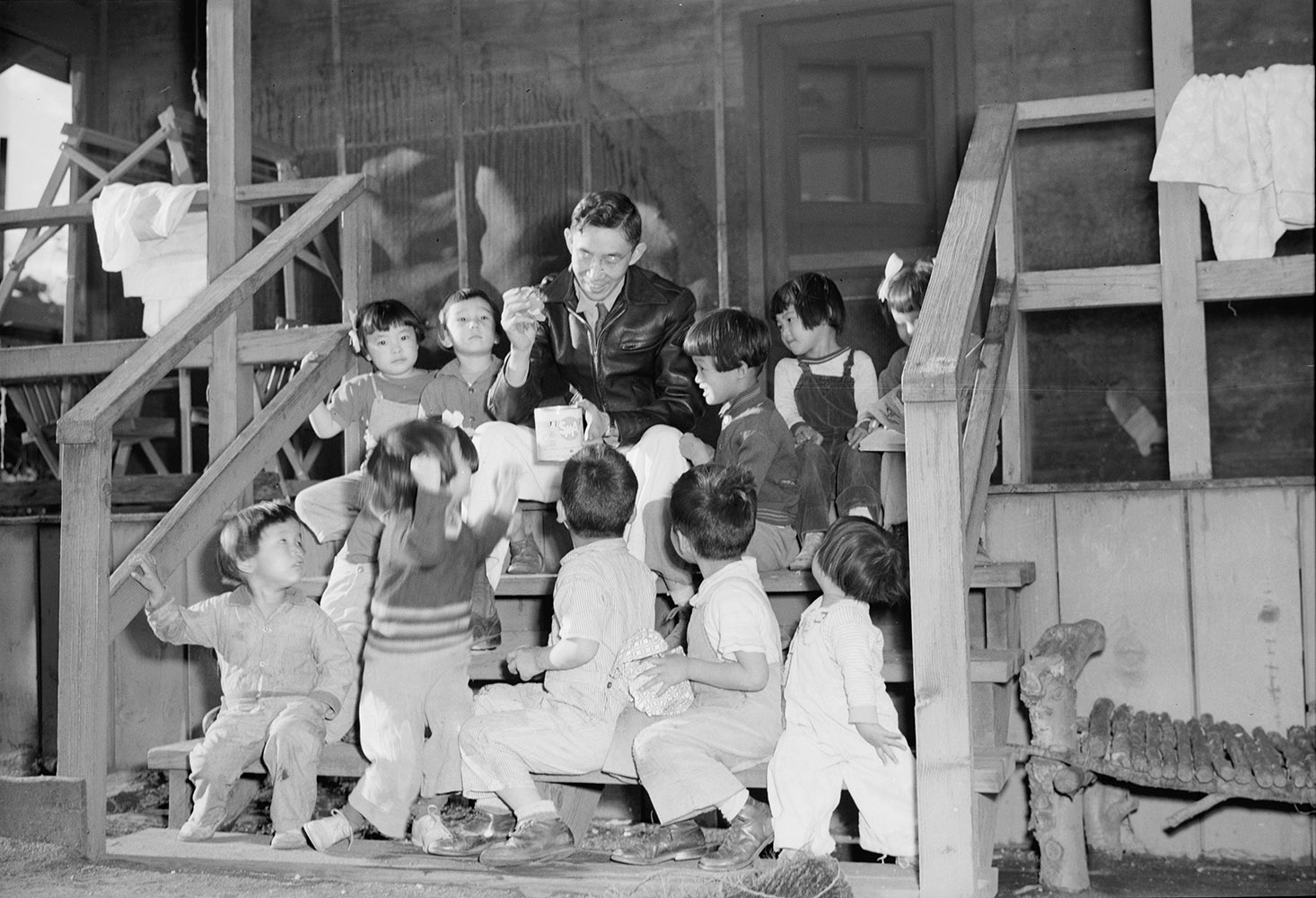 Mr. Msatsumoto and children |
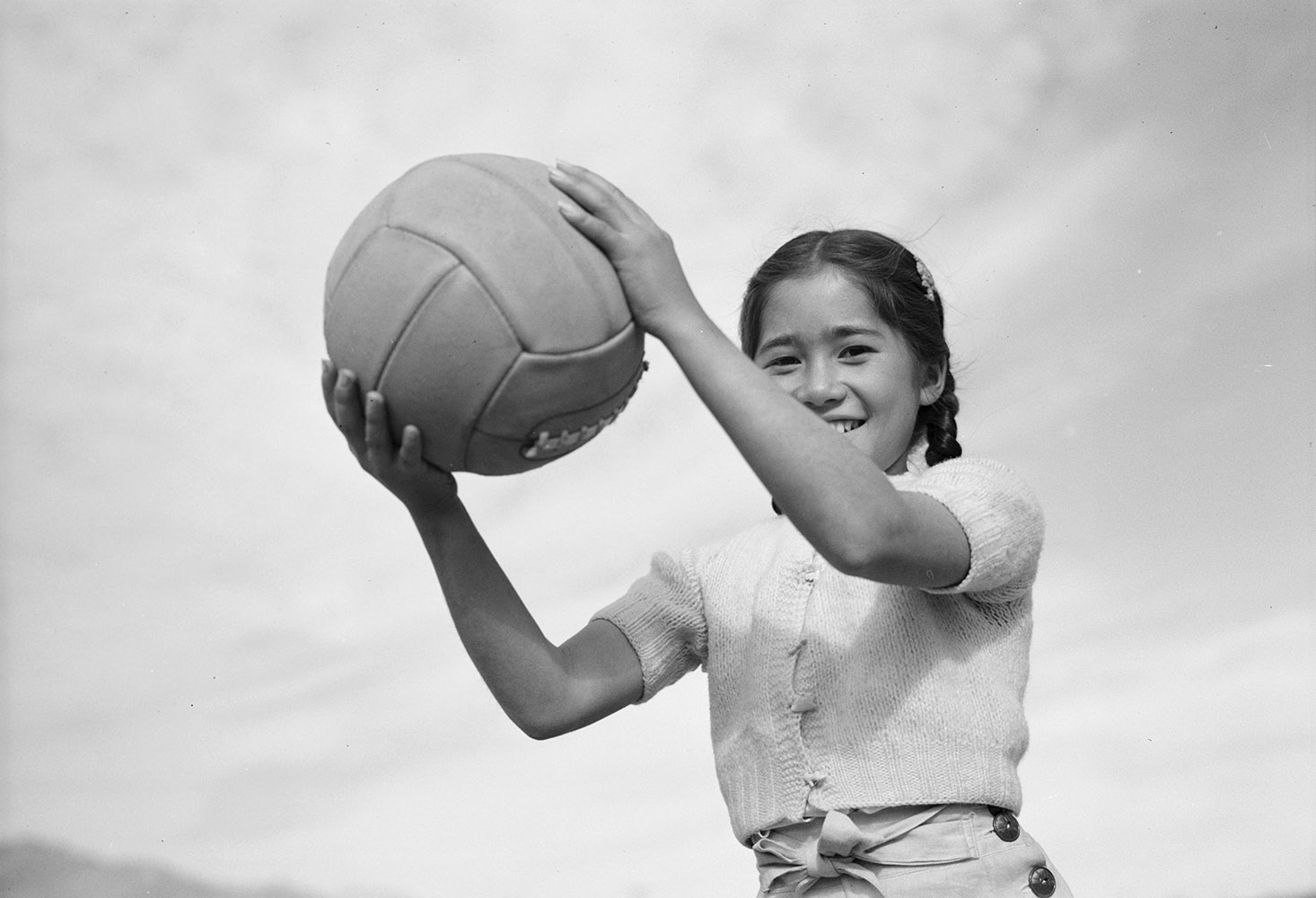 Girl playing volleyball |
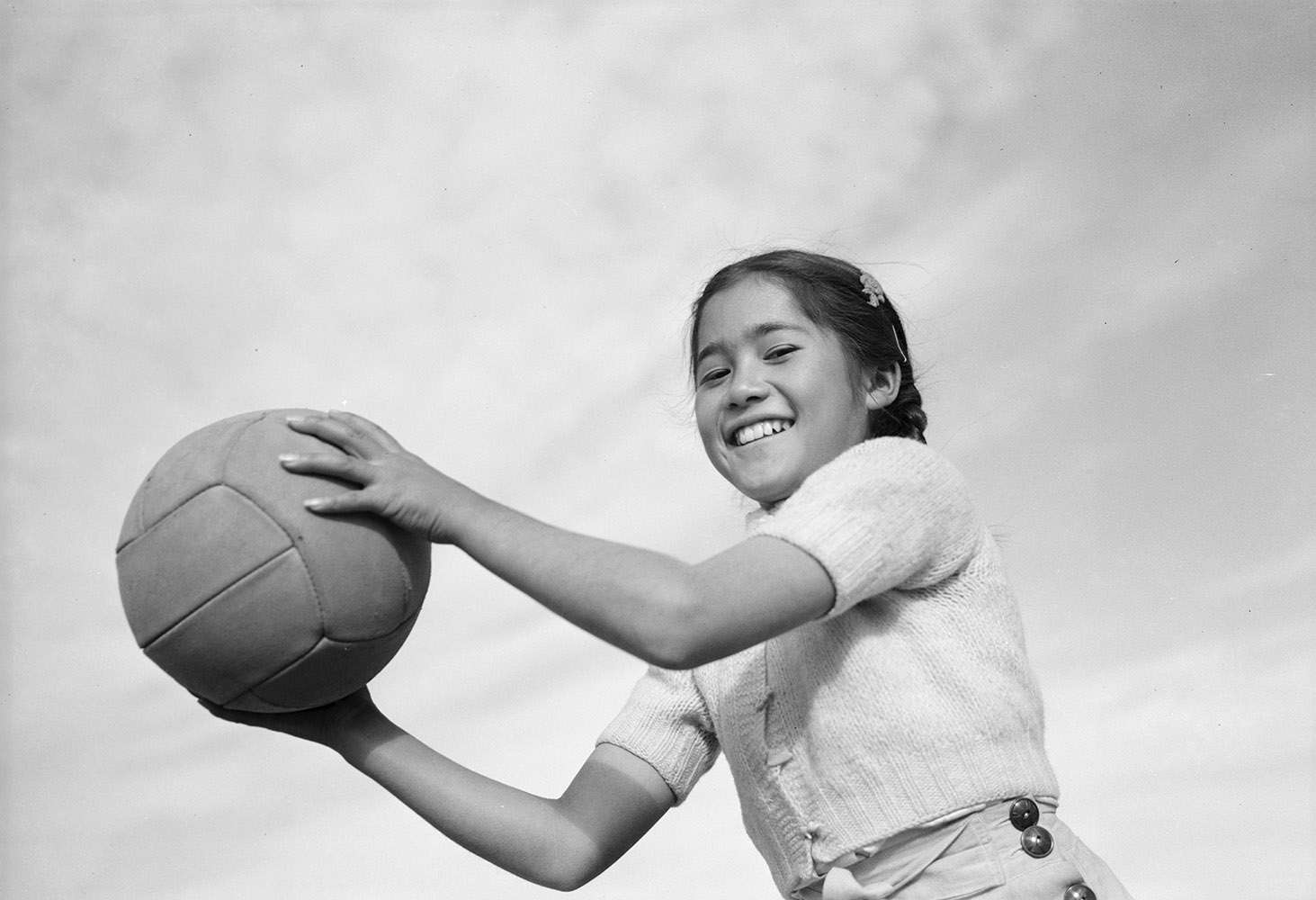 Girl playing volleyball |
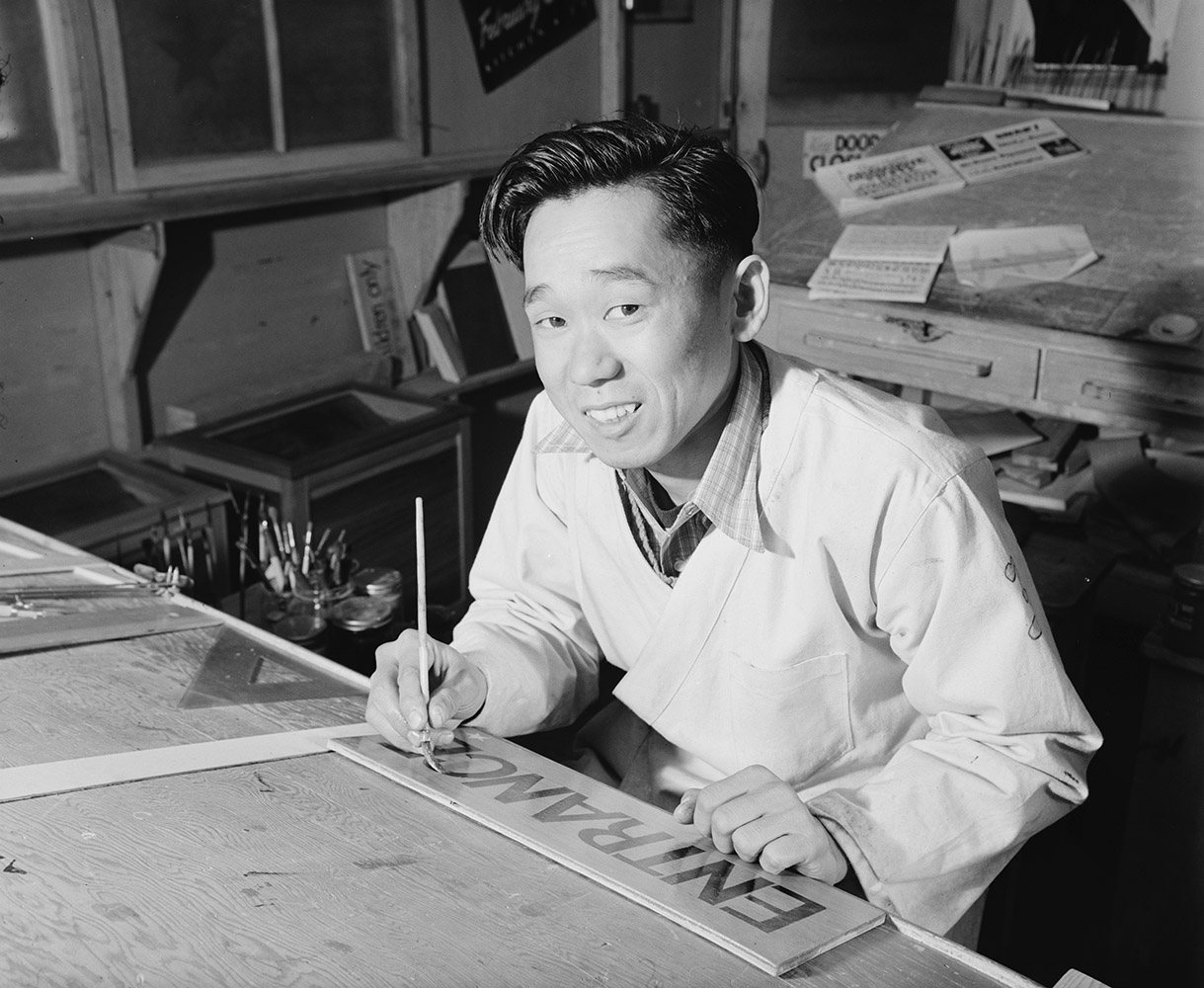 Akio Matsumoto - Commercial Artist |
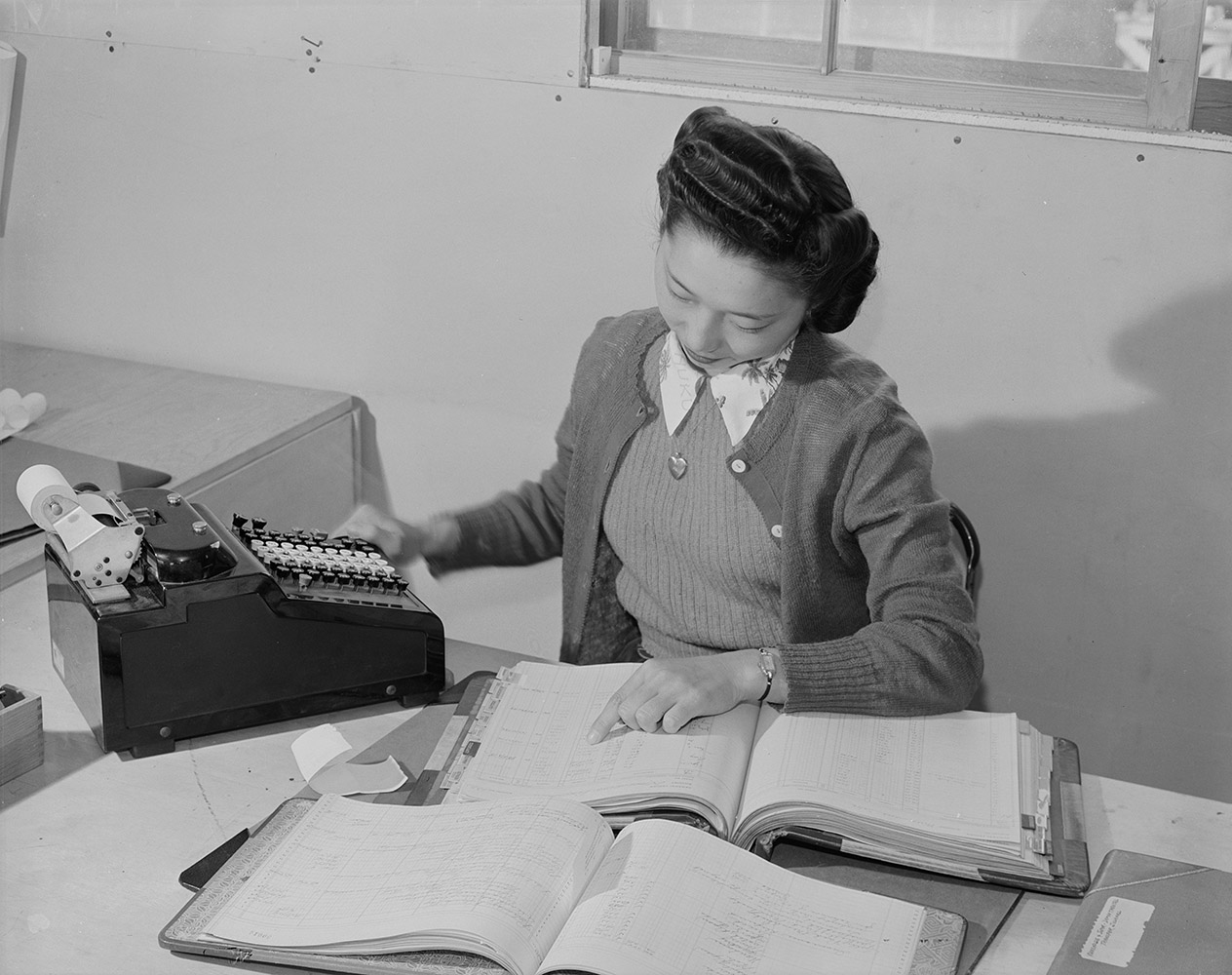 Mrs. Teruko Kiyomura -bookkeeper |
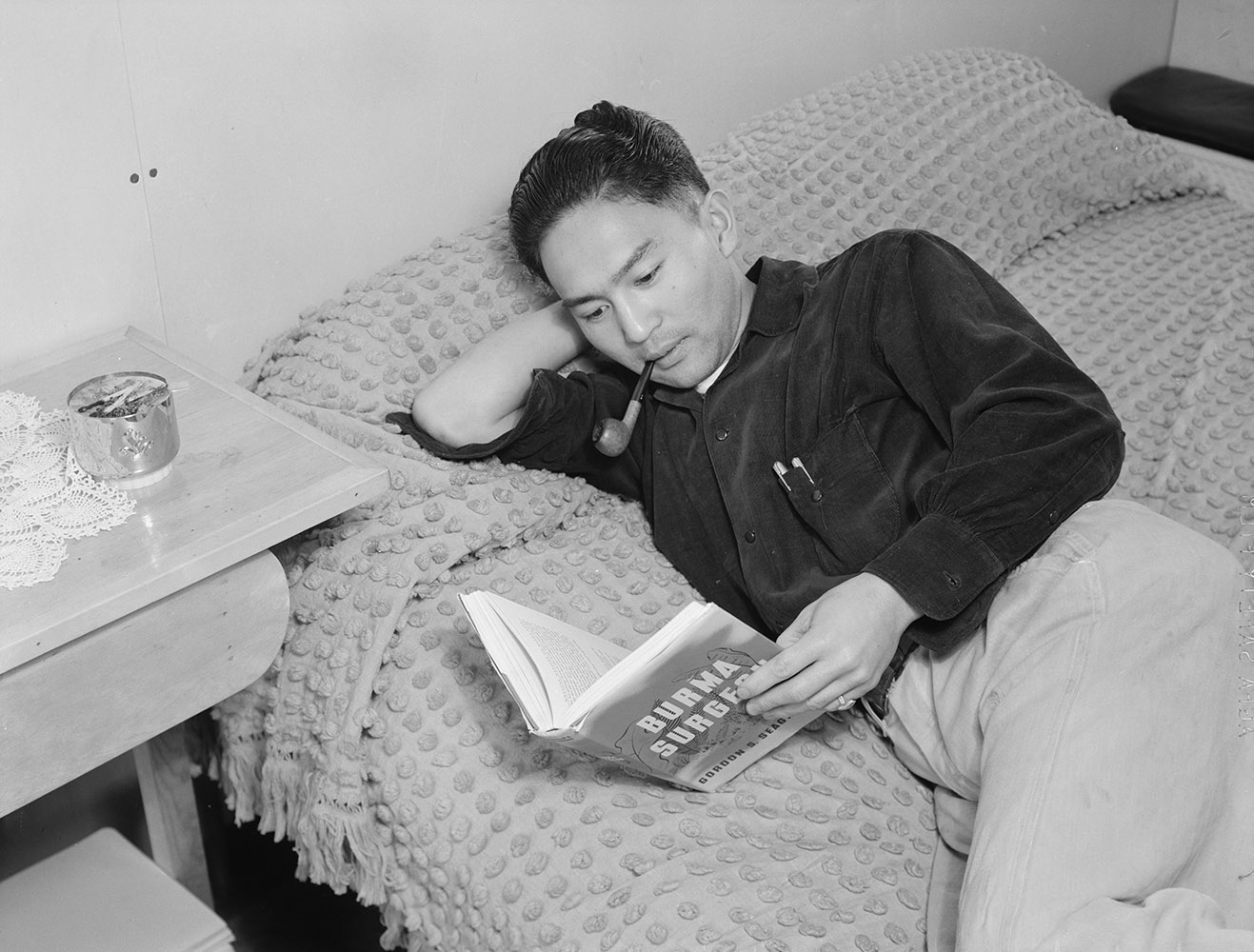 Dennis Shimizu |
Dorothea Lange Photographs from the Library of Congress 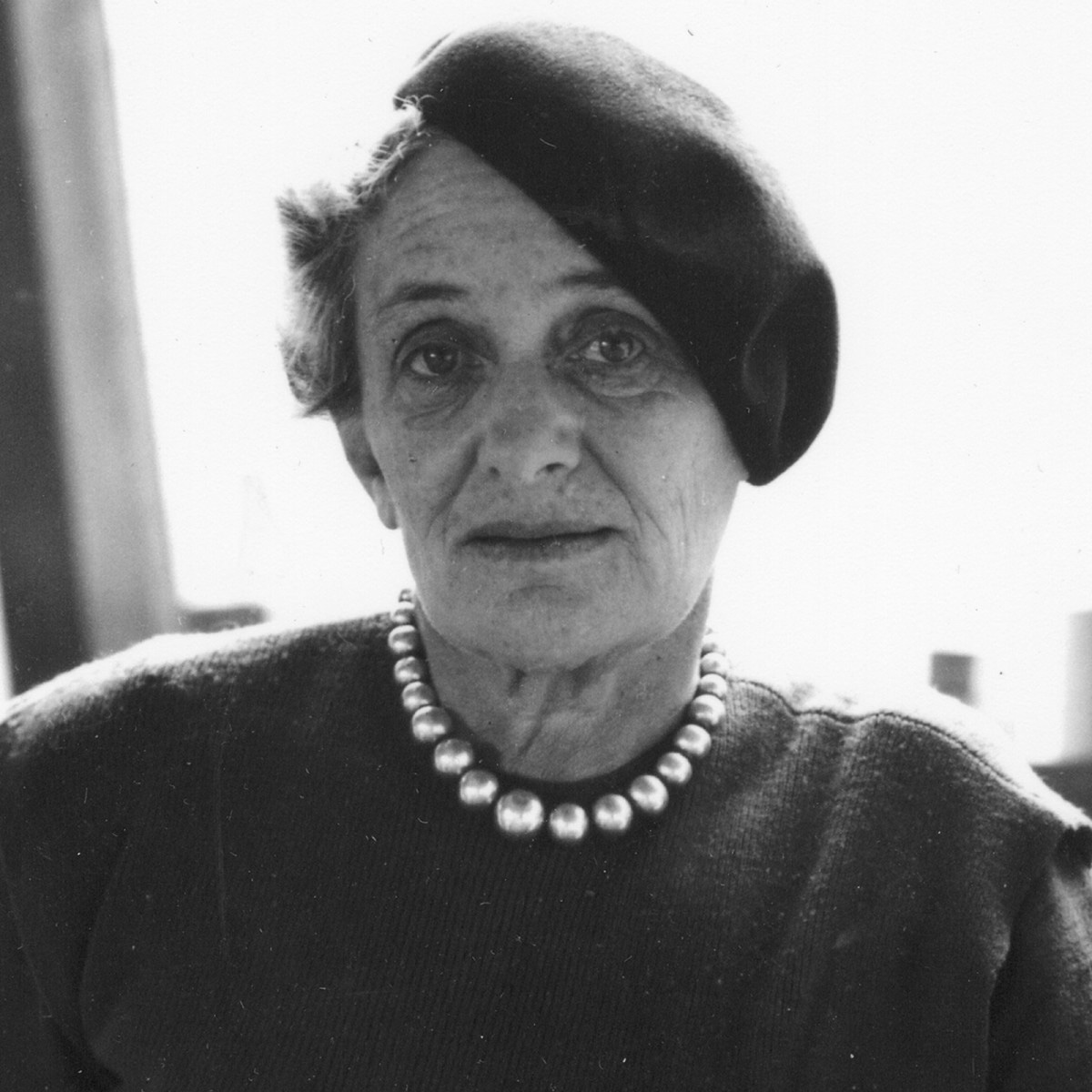 |
||
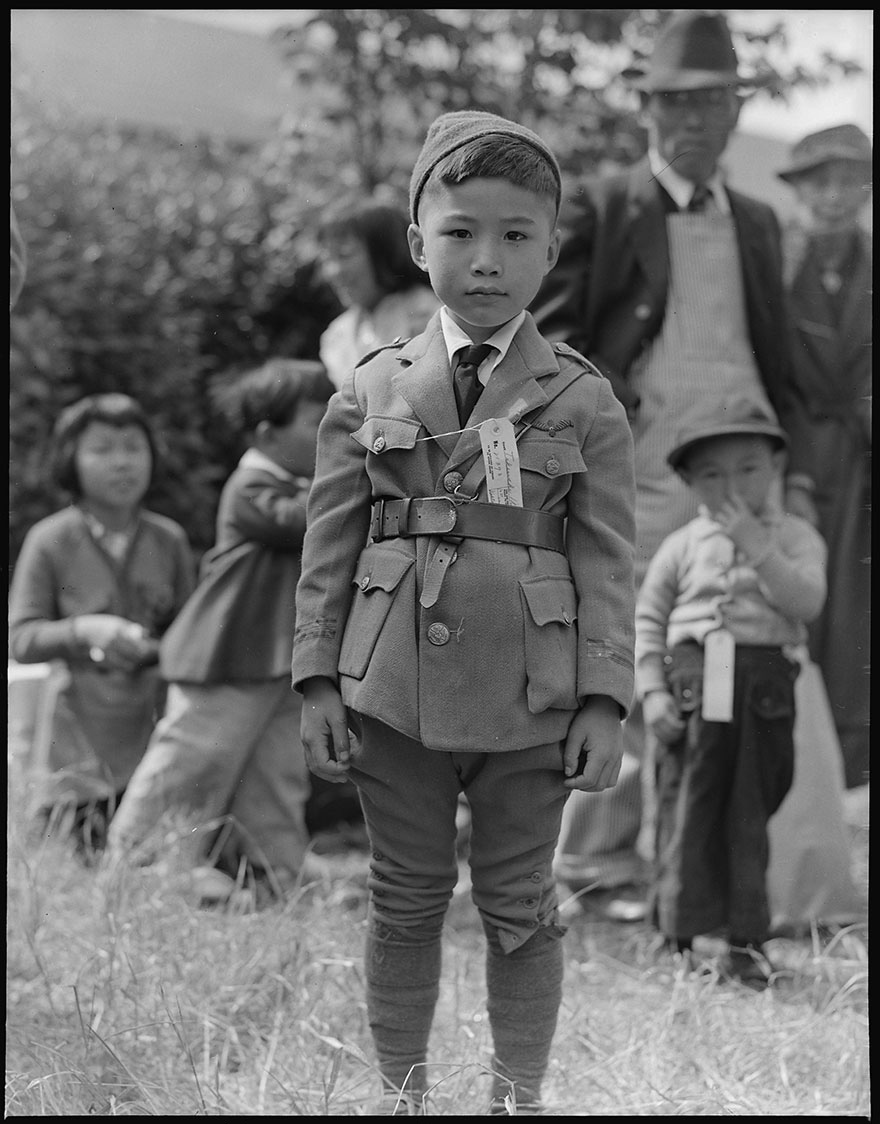 |
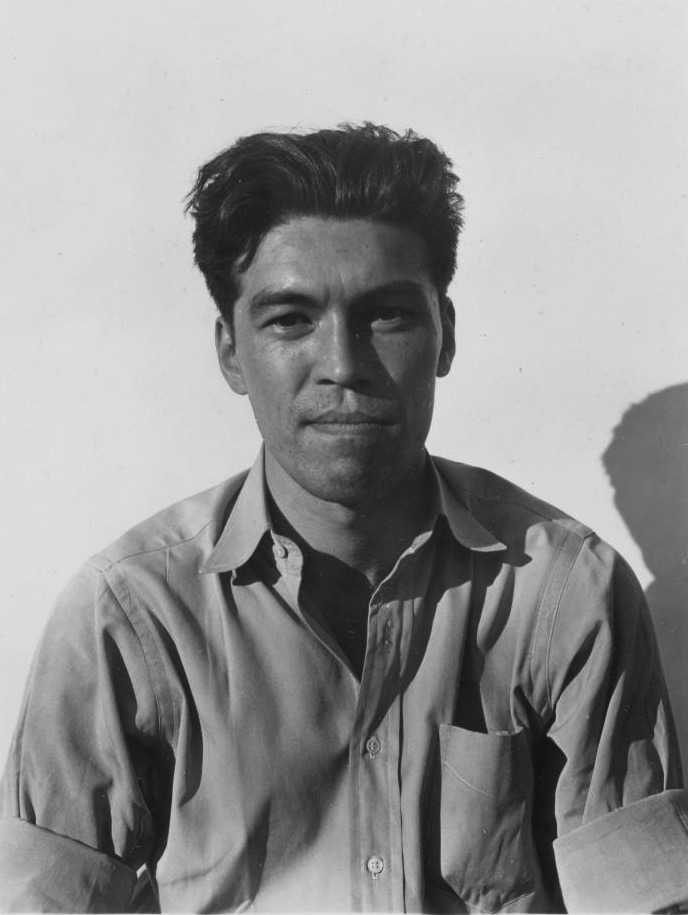 Shizuco Setoguchi - 1942 |
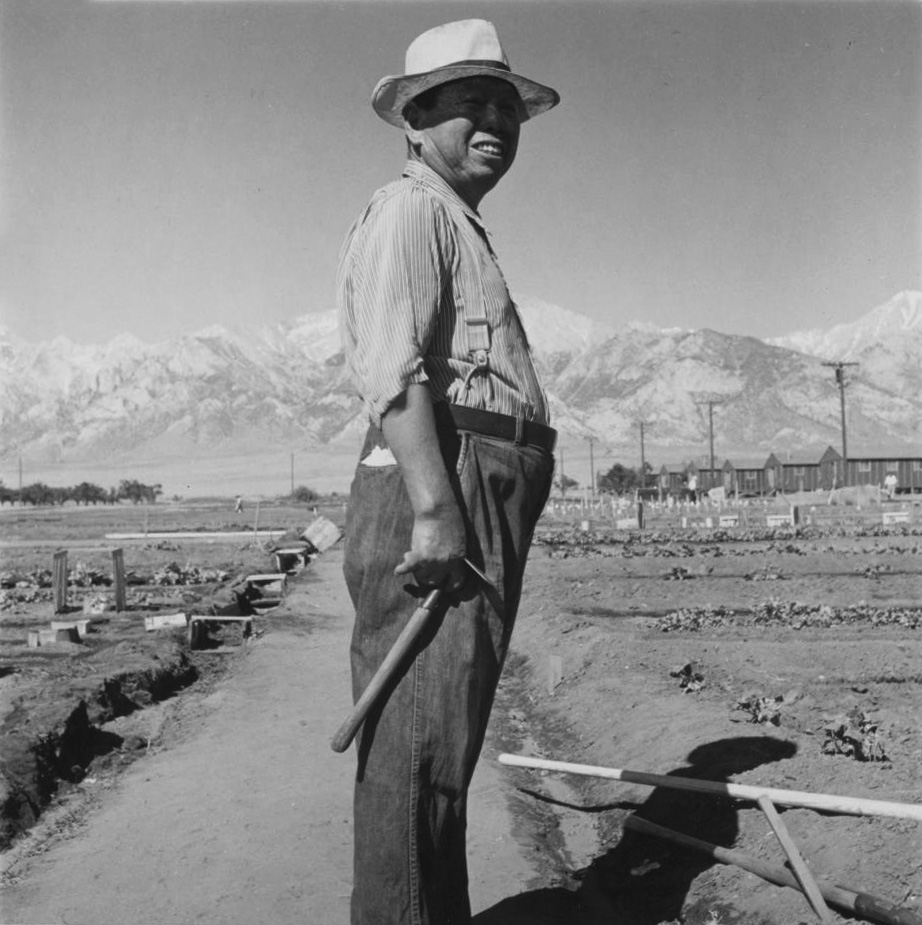 Foreman of the "Hobby Gardens" - 1942 |
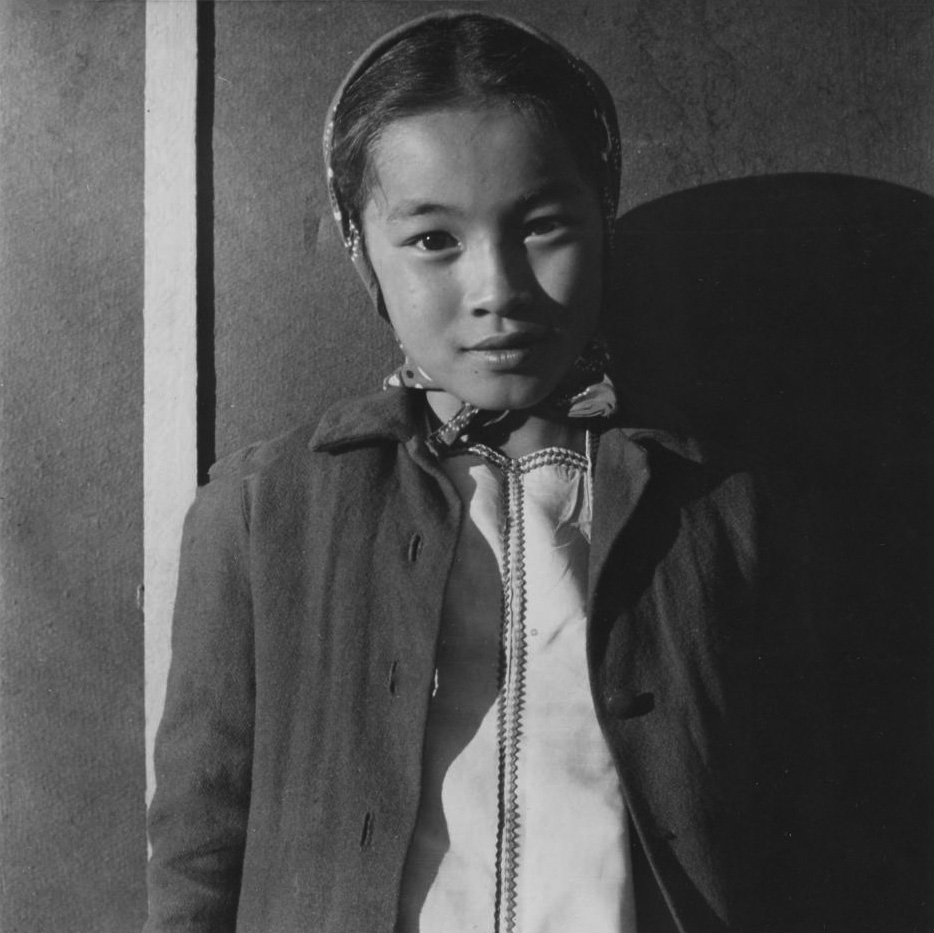 Young Girl - 1942 |
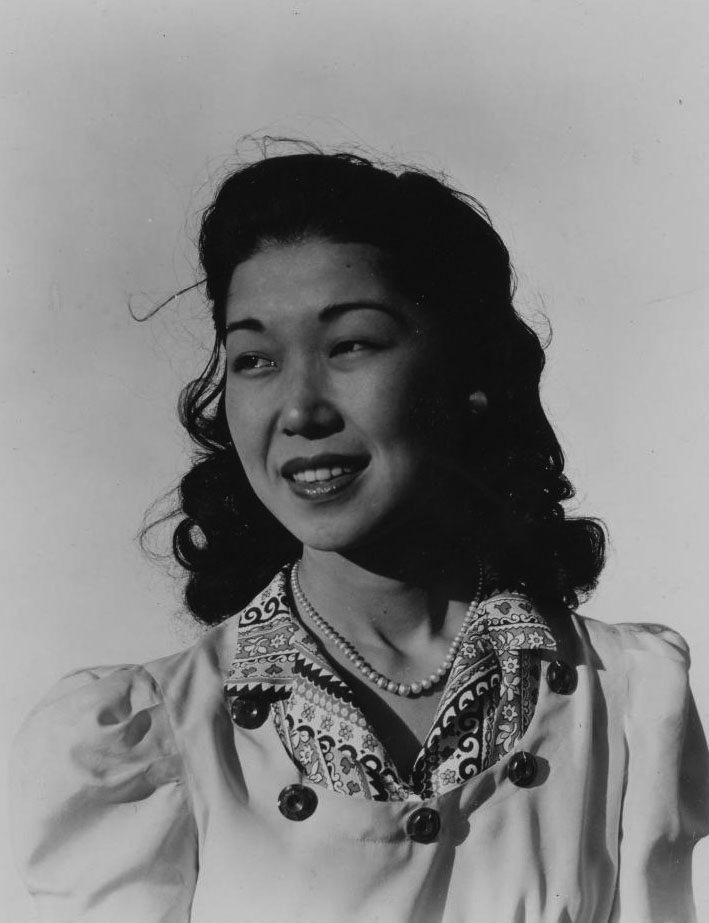 Unknown Aassistant in the Manzanar Free Press. |
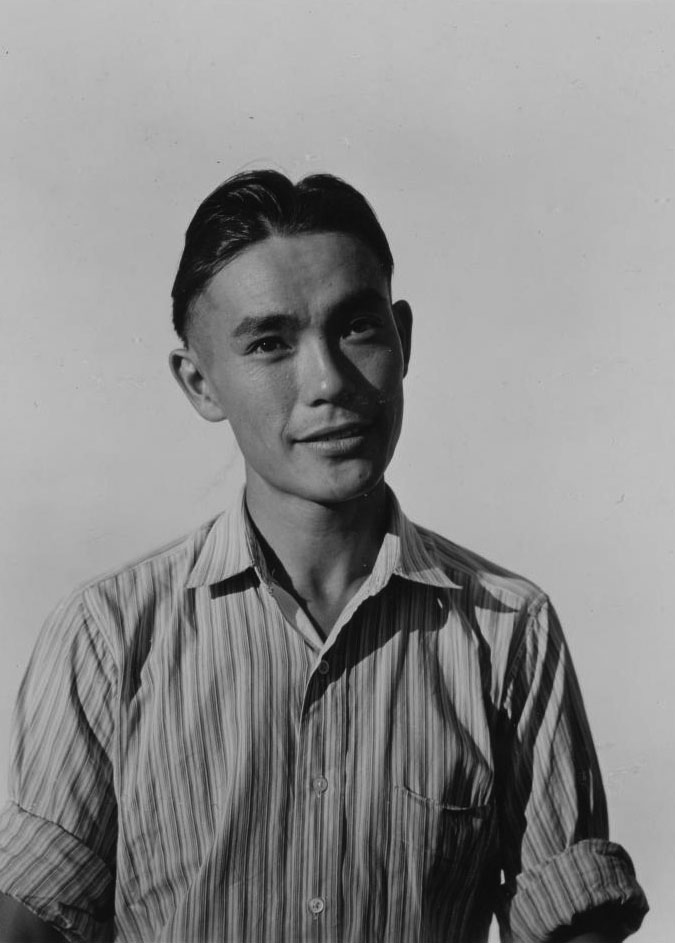 Togo Tanaka - 1942 |
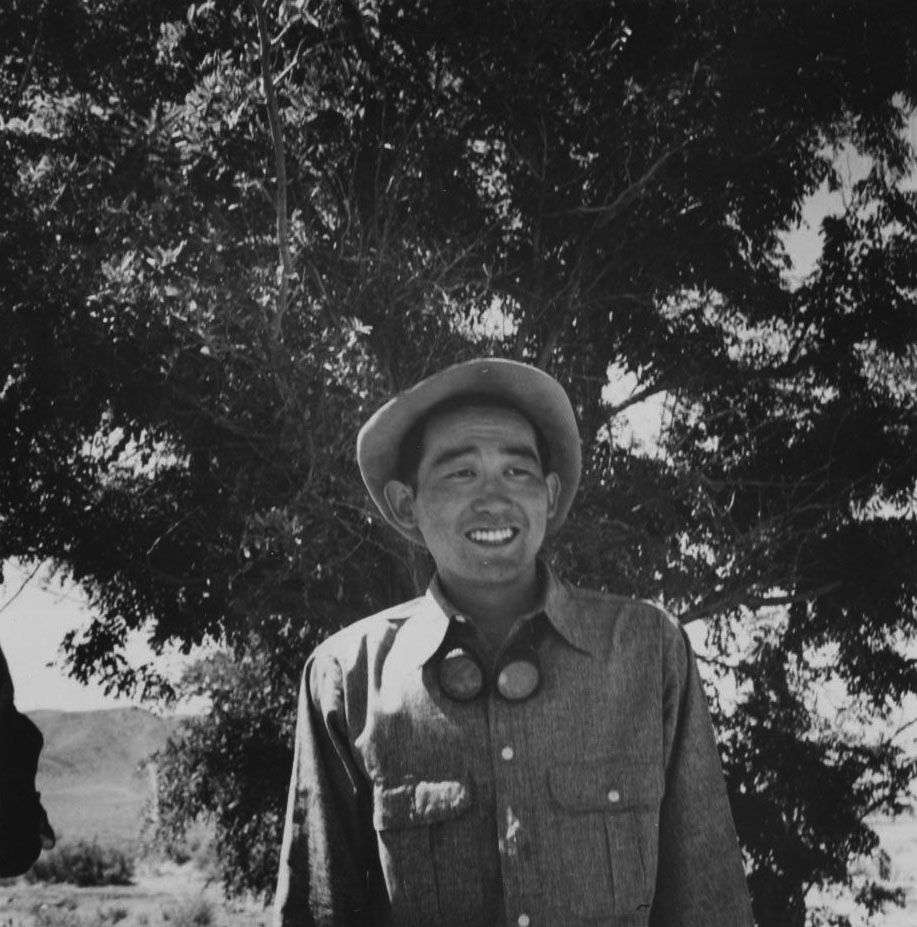 Johnny Fukazawa - 1942 Foreman of fields Numbers 3, 4, 5, and 6, heading a 20-man field crew on the farm project. |
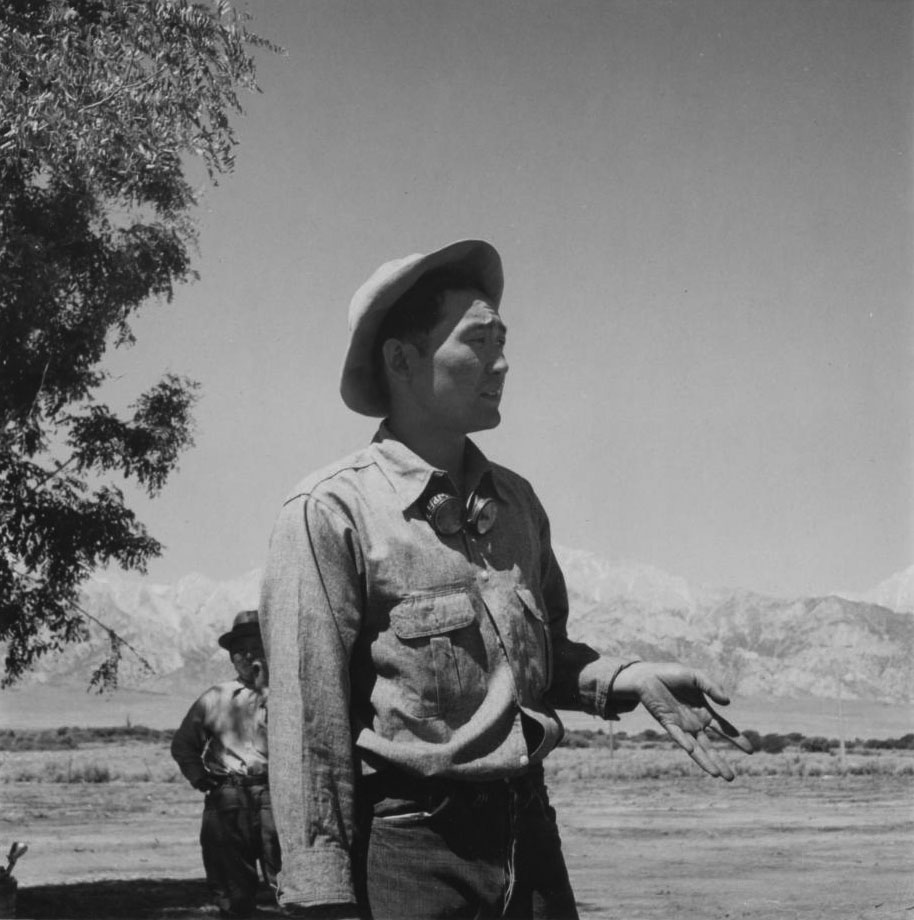 Johnny Fukazawa - 1942 |
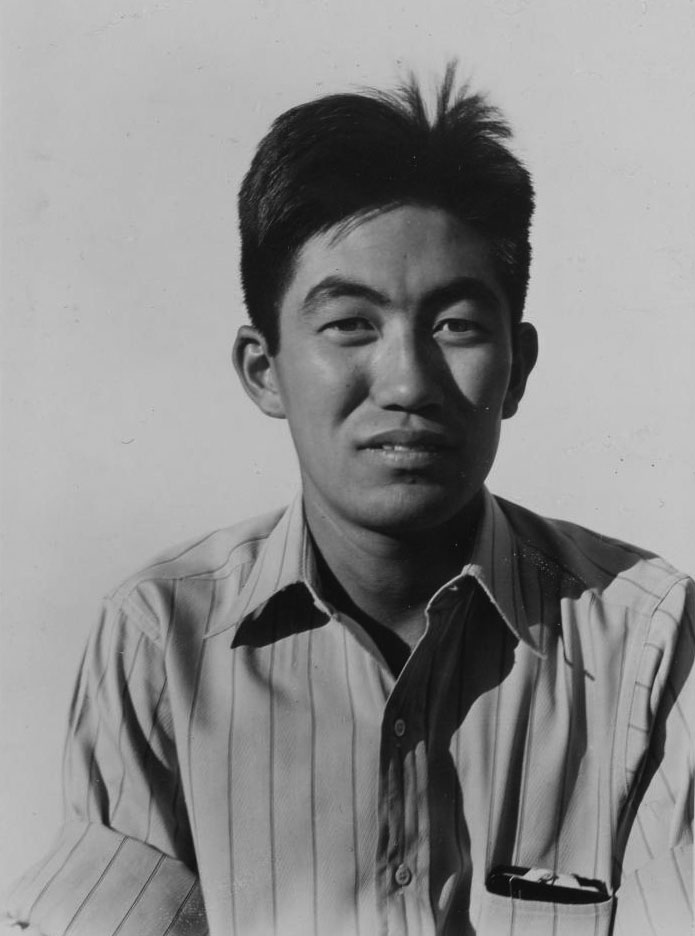 Ogura Shuichi - 1942 |
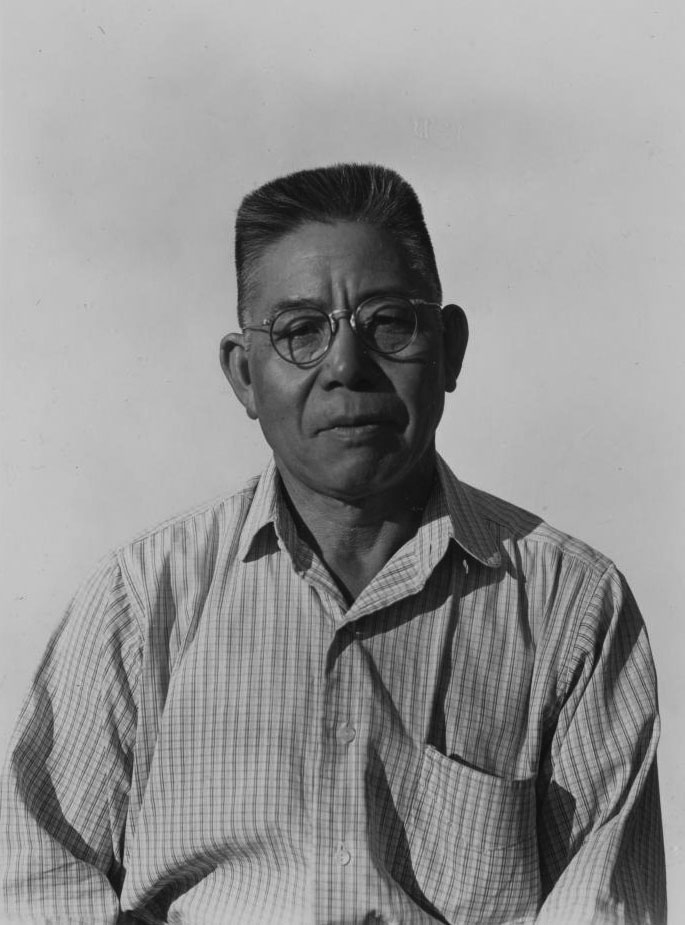 Joe Blamey - 1942 Editor- Manzanar Free Press. |
|
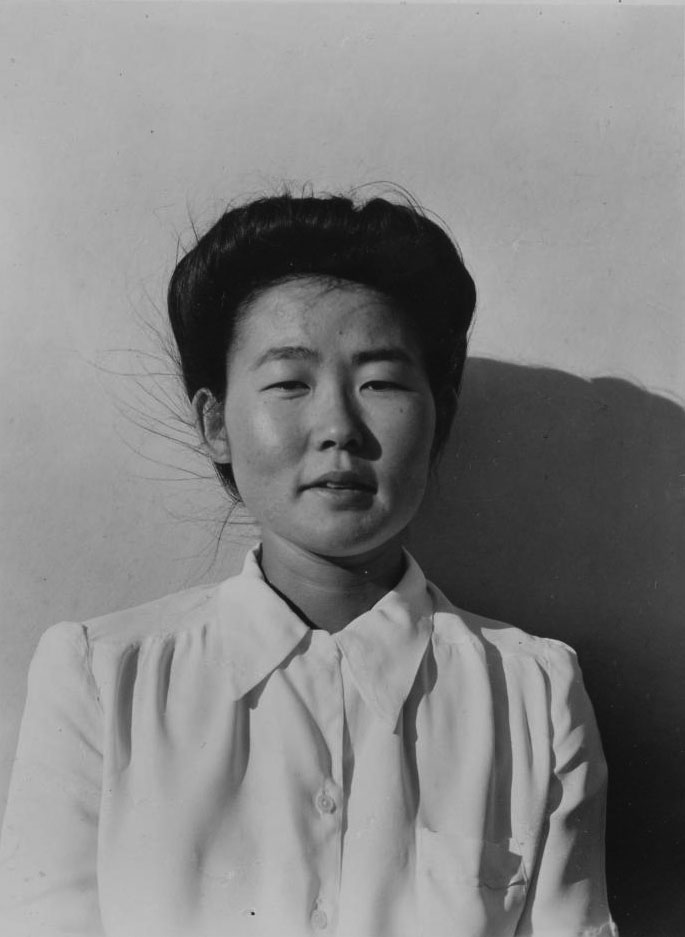 Chico Sakaguchi - 1942 |
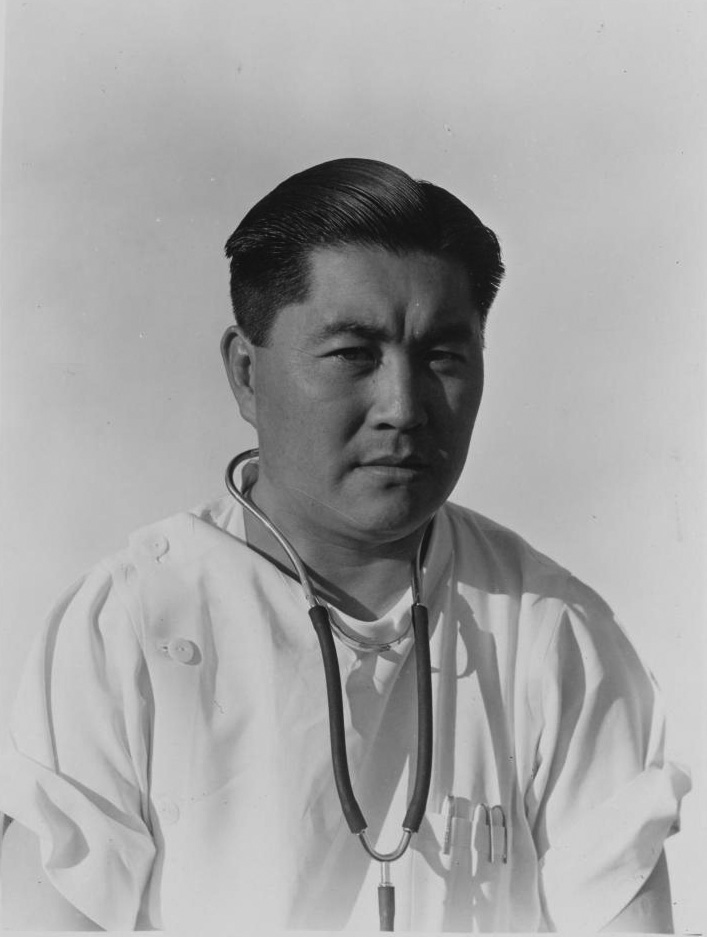 Dr. James Goto - 1942 |
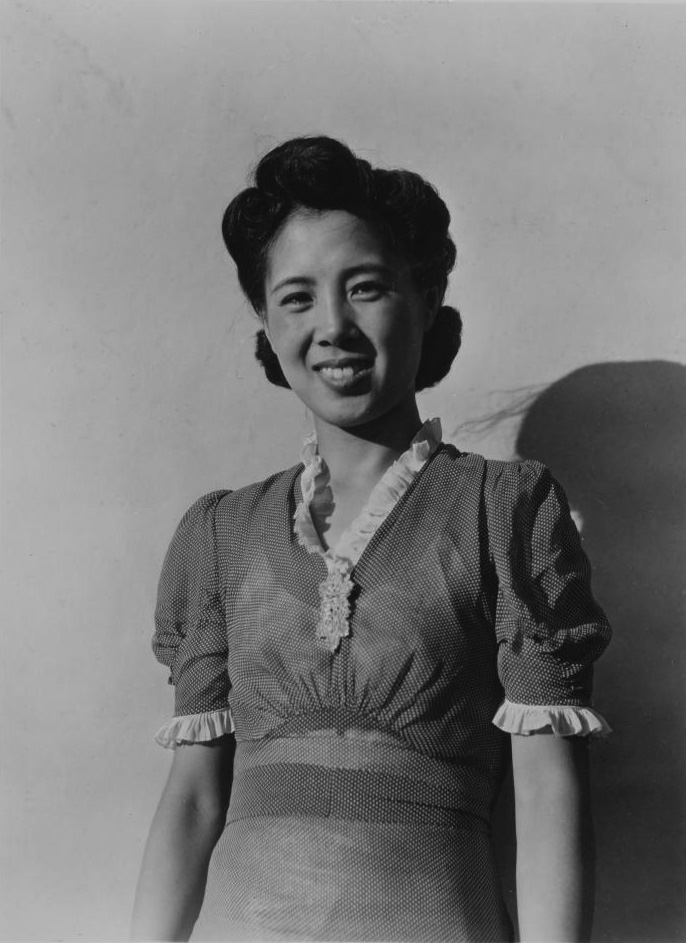 Mrs. Togo Tanaka - 1942 |
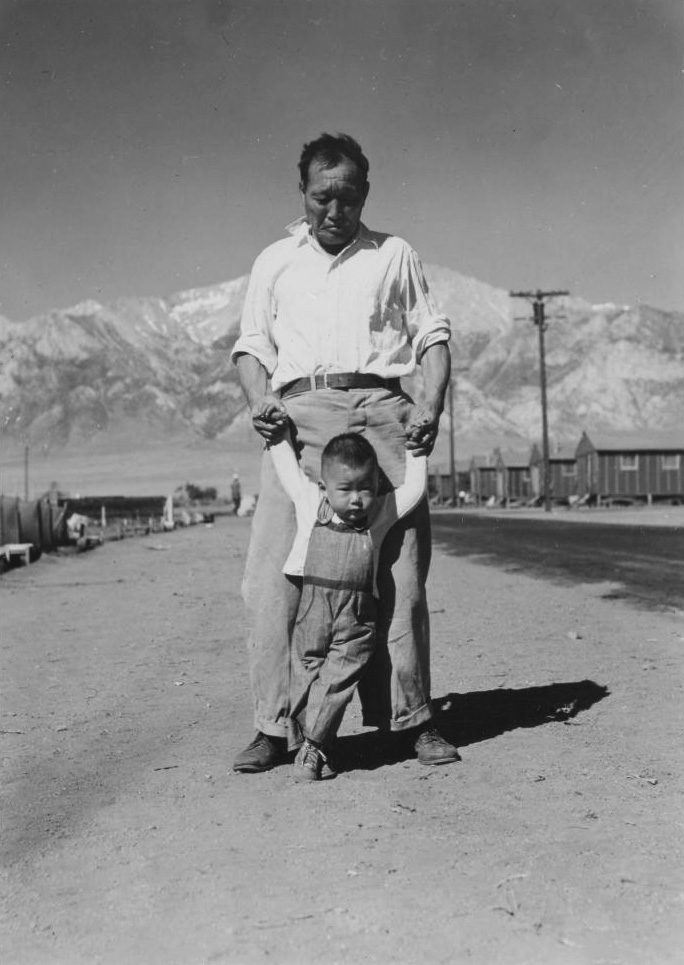 Unknown - 1942 |
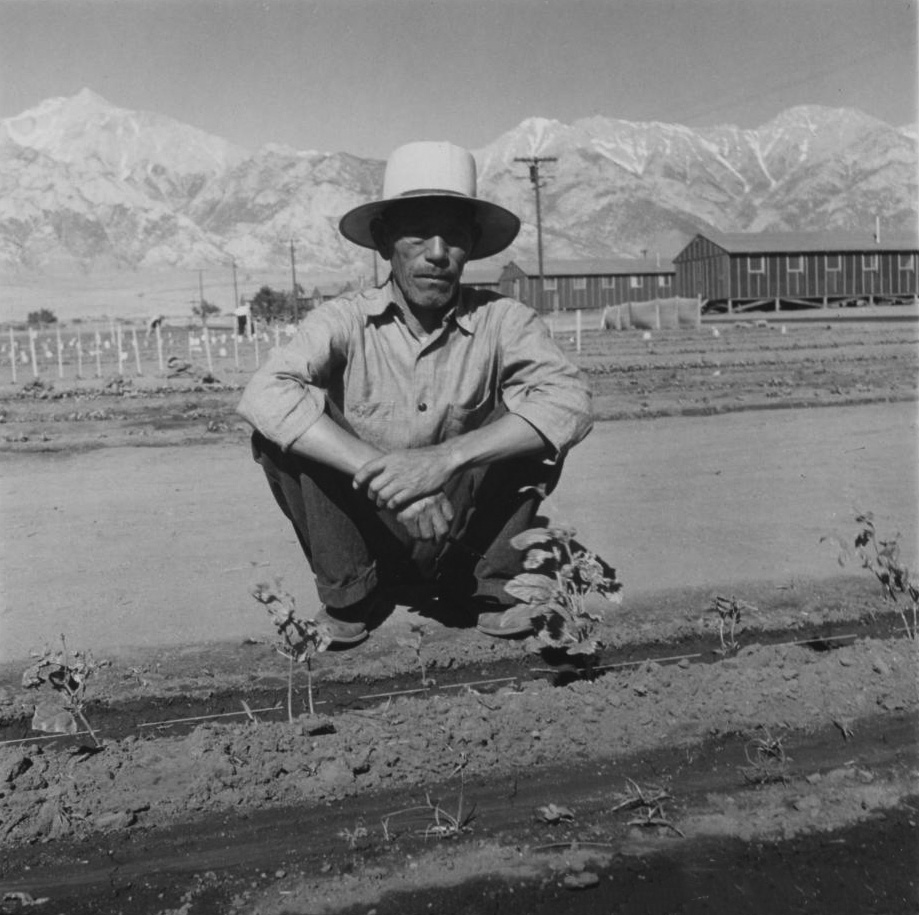 Ogura Shuichi -1942 Plant statistician for the guayule rubber experiment project |
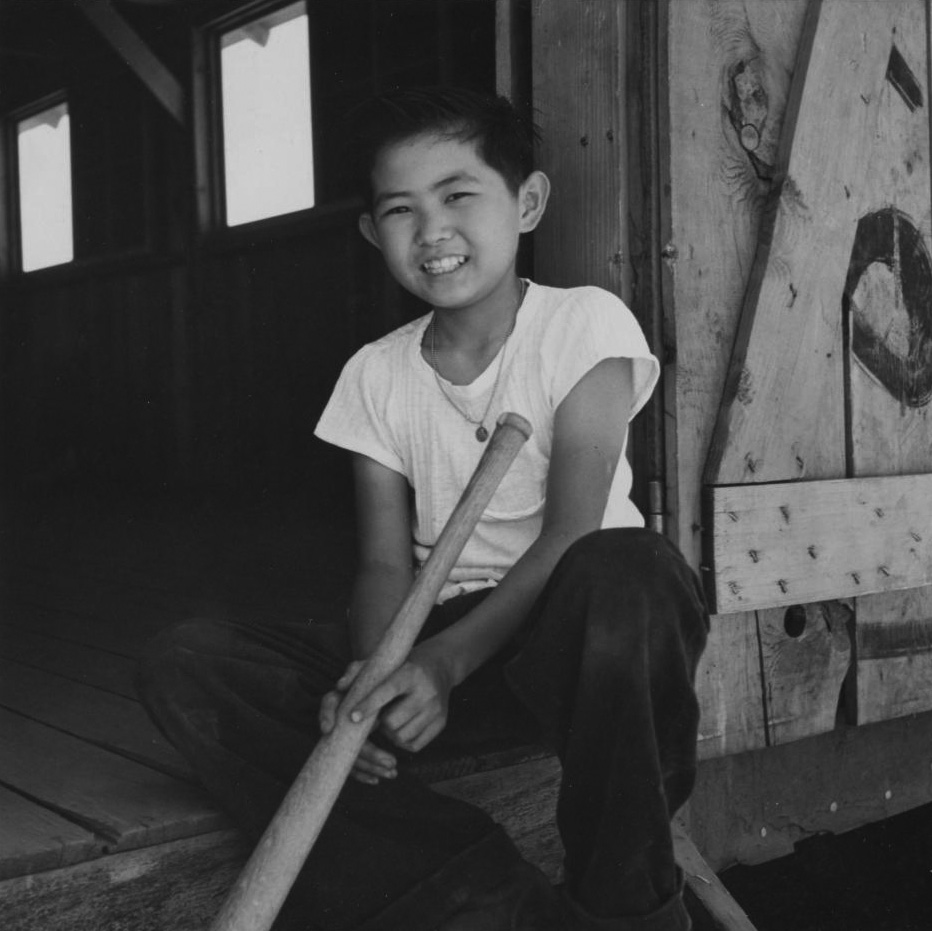 Unknown - 1942 |
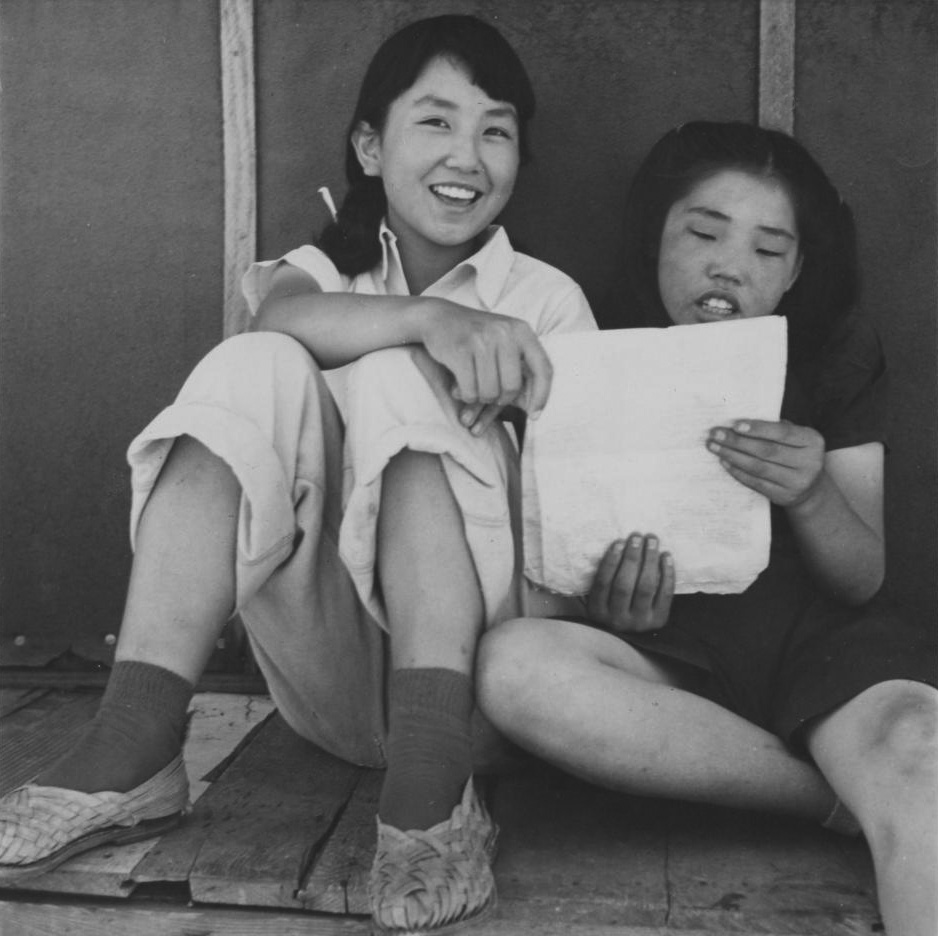 Unknown - 1942 |
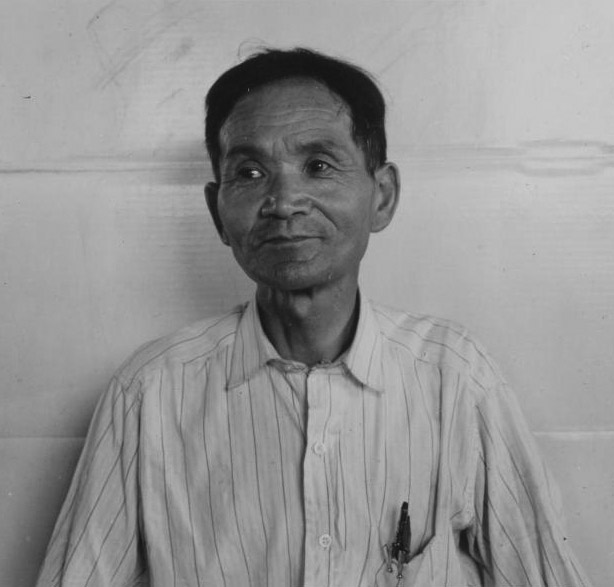 H. M. Kumano - 1942 Artist, teacher of painting in the art project at Manzanar. |
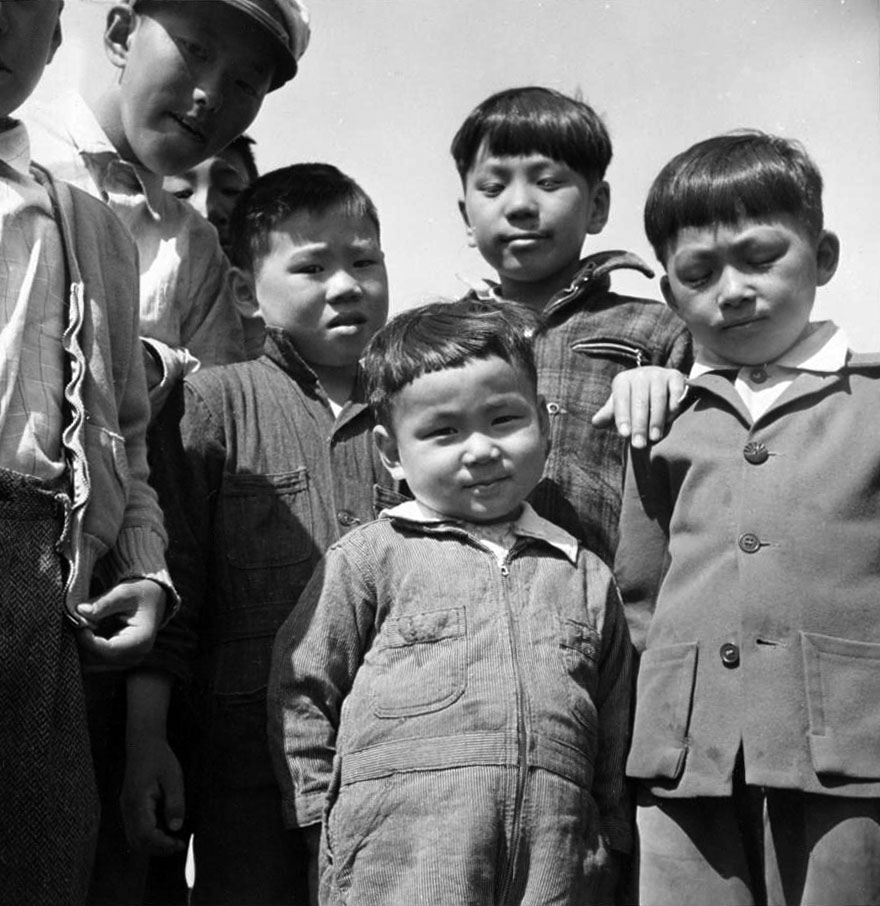 Group of young children (Photograph courtesy of Calisphere) (Photographer Dorothea Lange) |
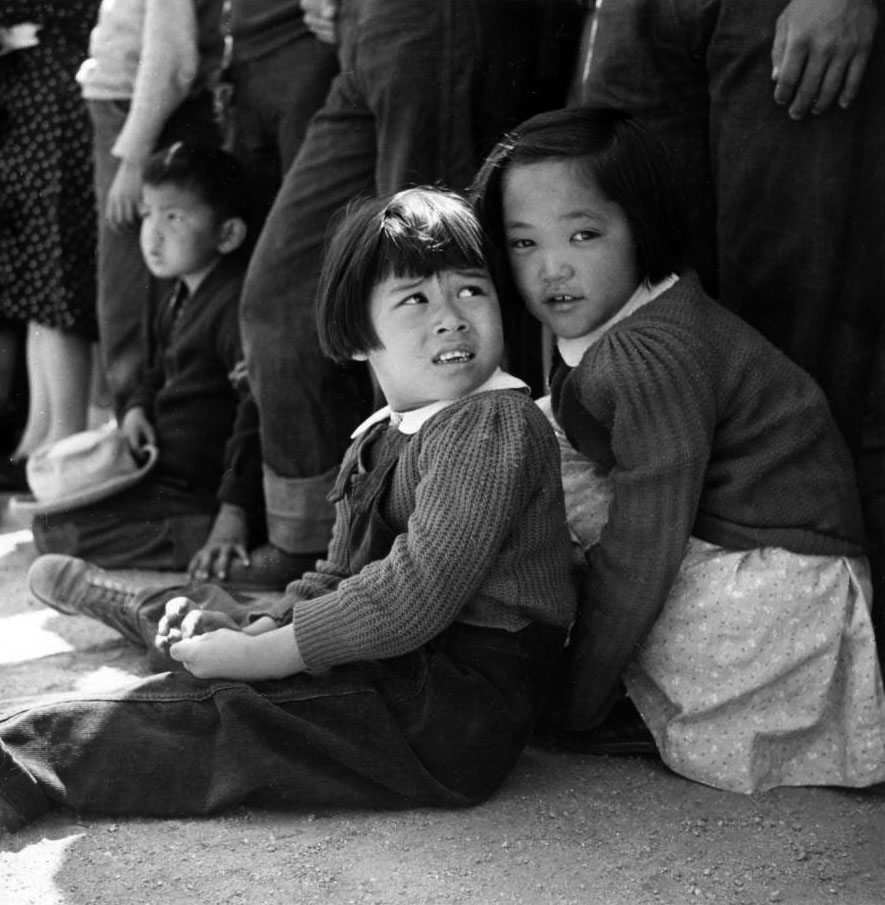 Group of young children (Photograph courtesy of Calisphere) (Photographer Dorothea Lange) |
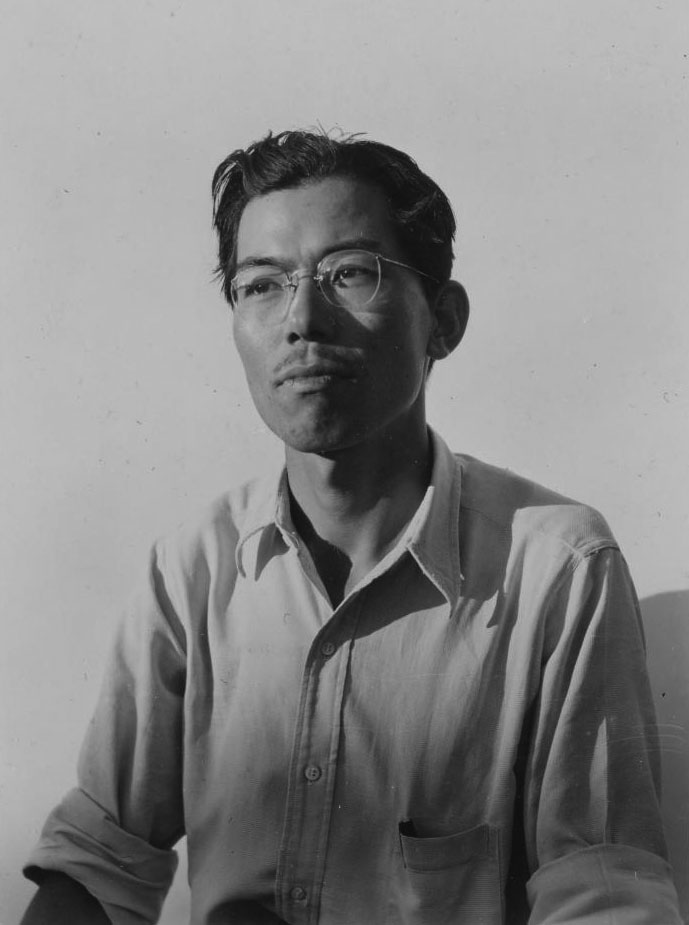
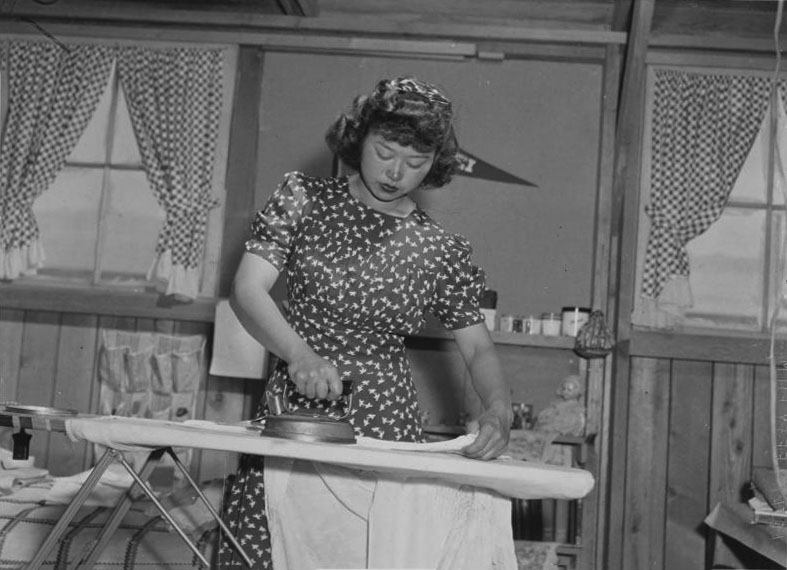 Esther Naito - 1942 |
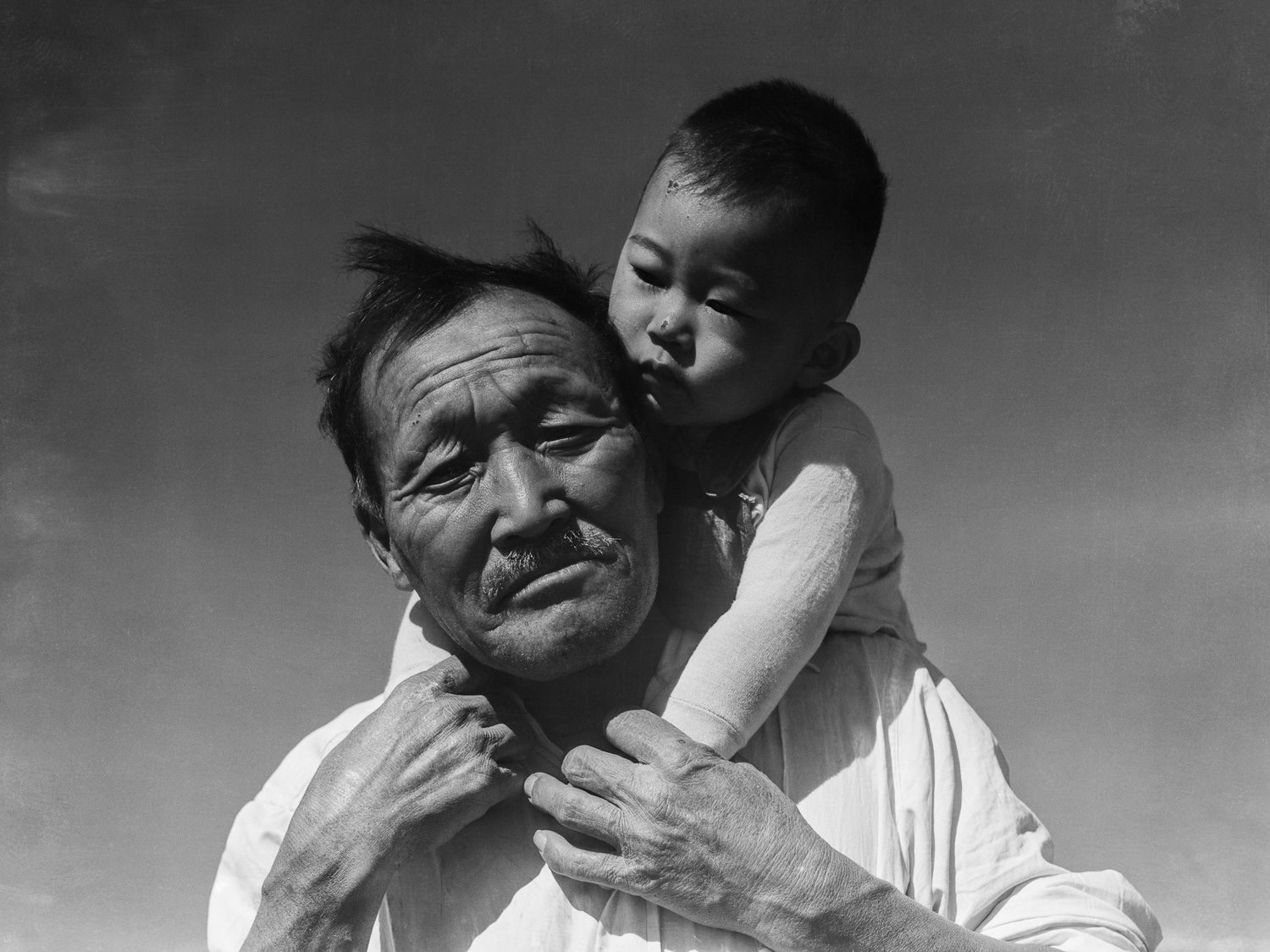 Grandfather and Grandson - 1942 |
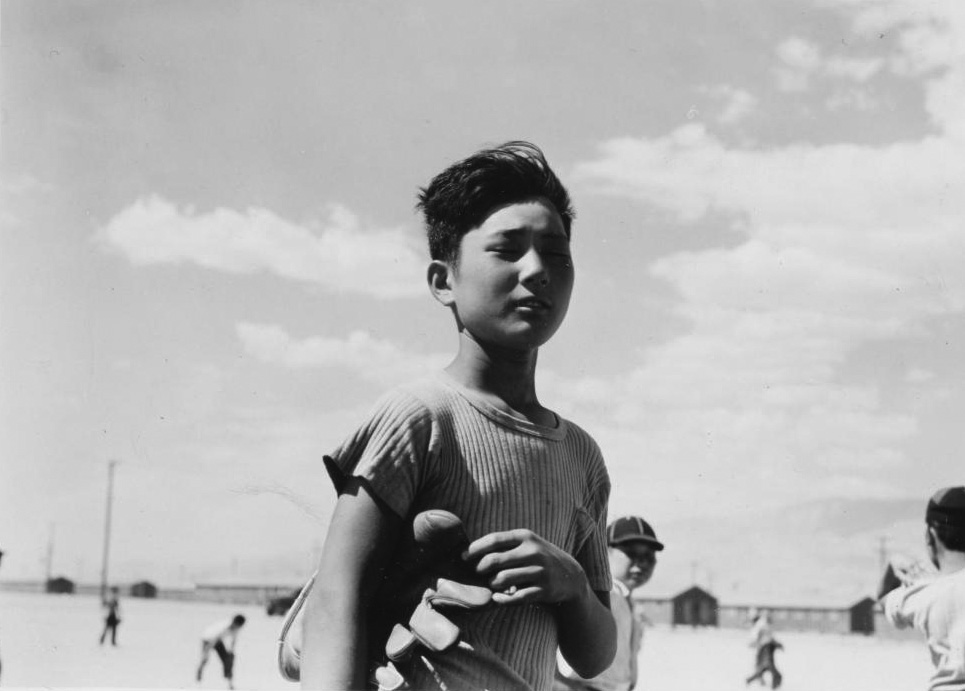 Unknown - 1942 |
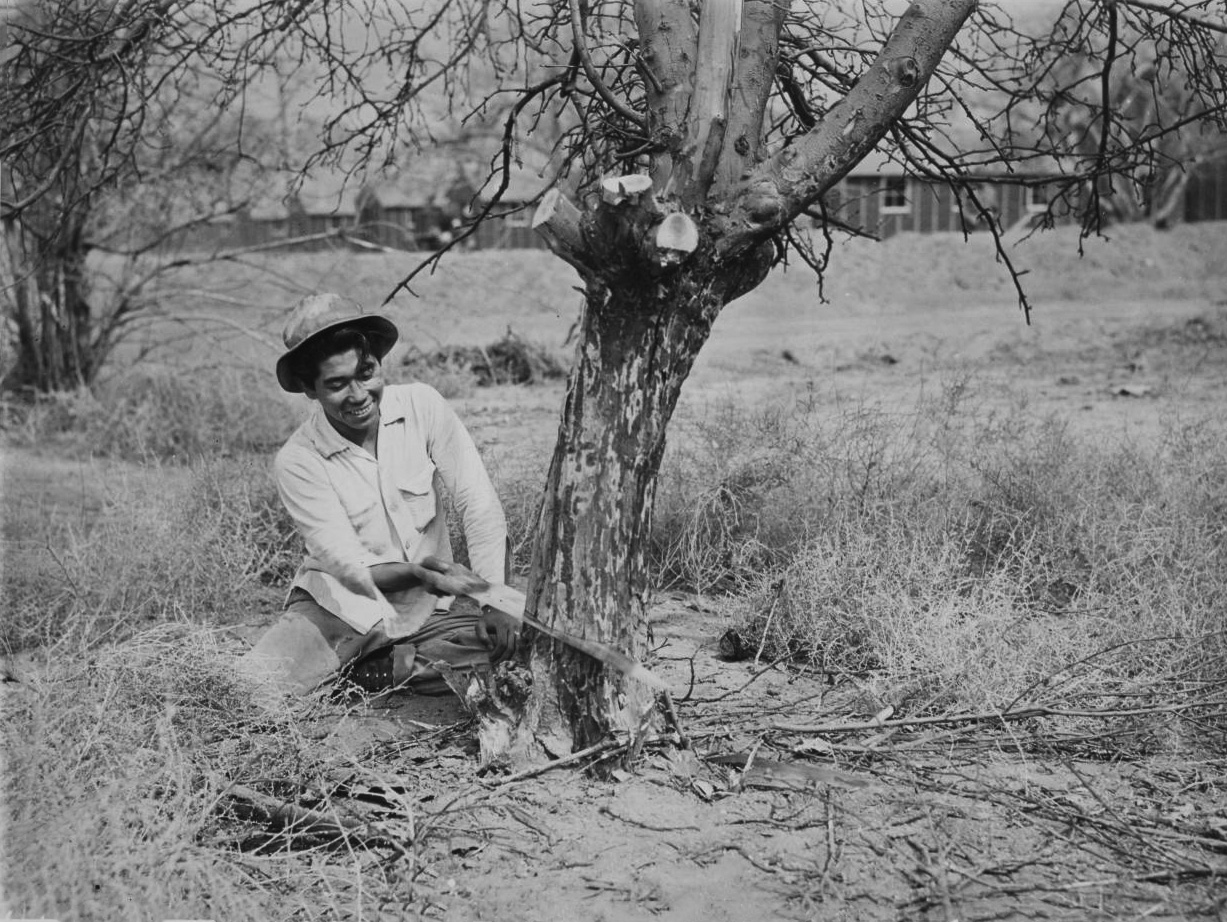 Unknown - 1942 |
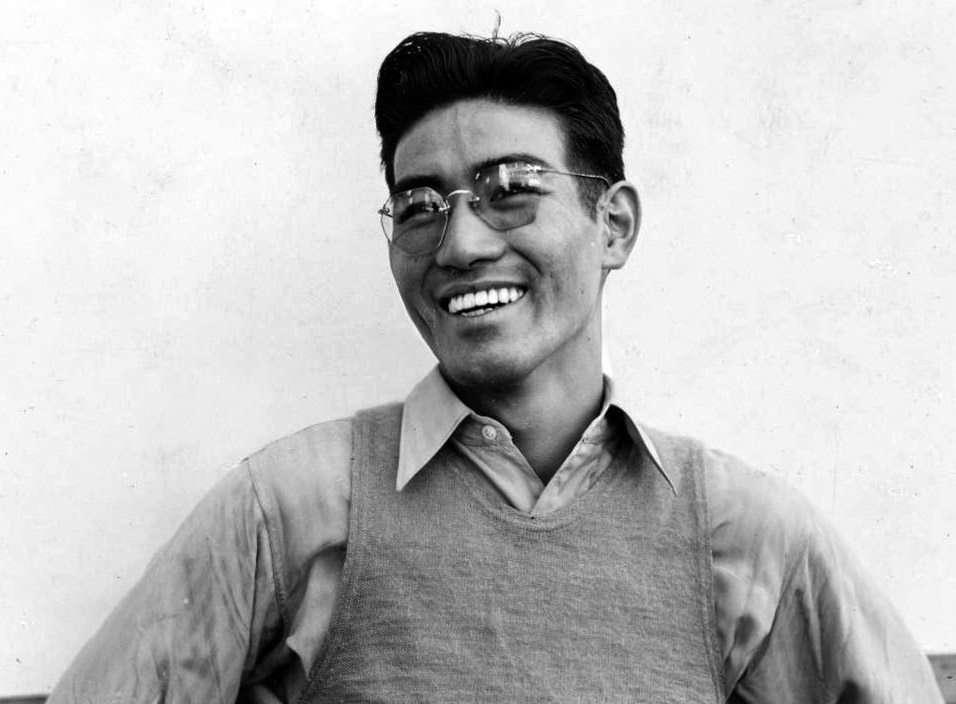 Henry Ishizuka - 1942 Superintendent of the camouflage project. |
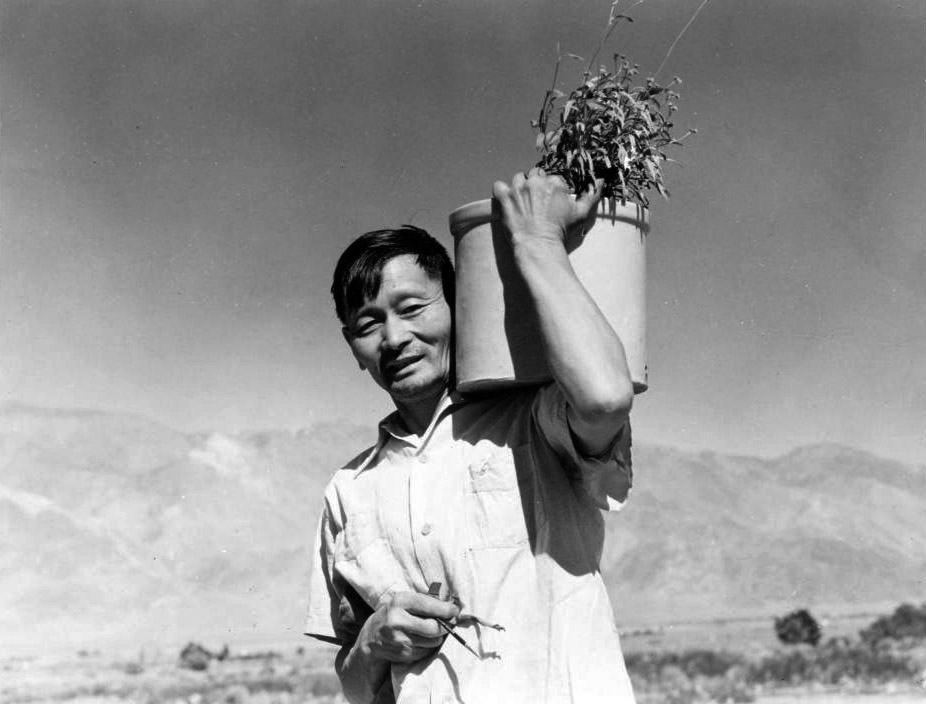 George J. Yokomizo - 1942 Hybridizer for the guayule rubber experiment project. |
 11/23 11/23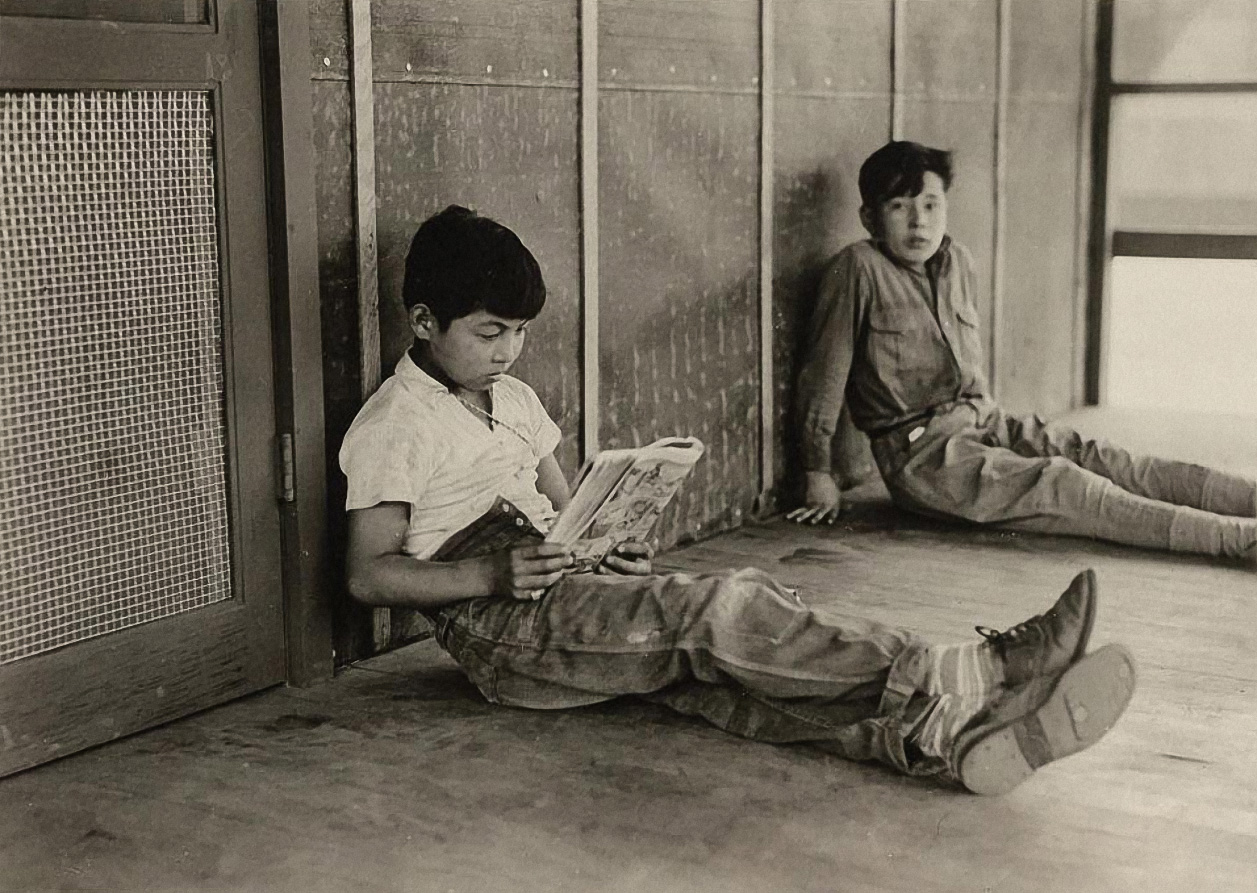 Orphan boys - 1942 |
11/23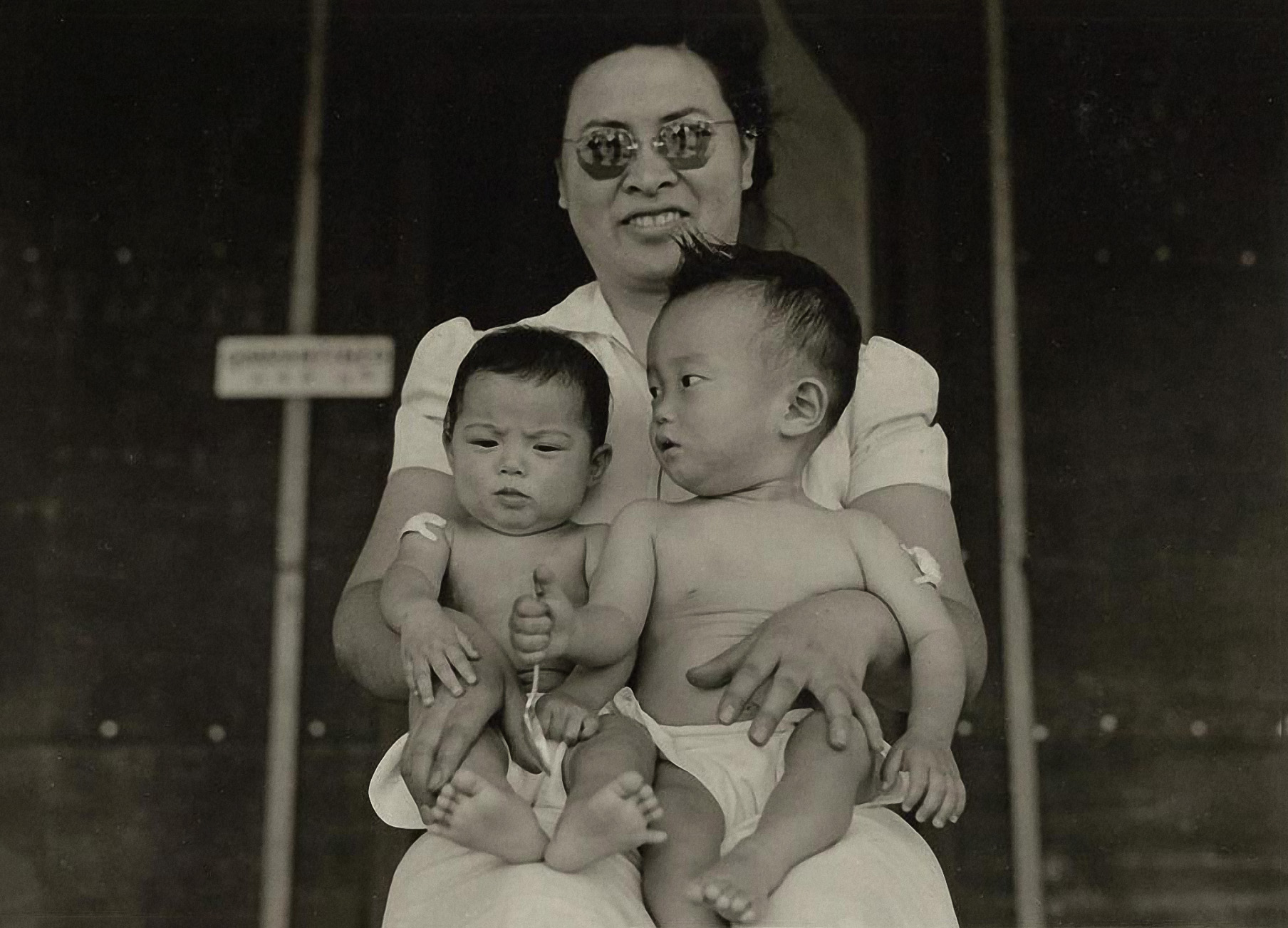 The two youngest of the 65 evacue orphans in the Childrens' Village at the WRA - 1942 |
11/23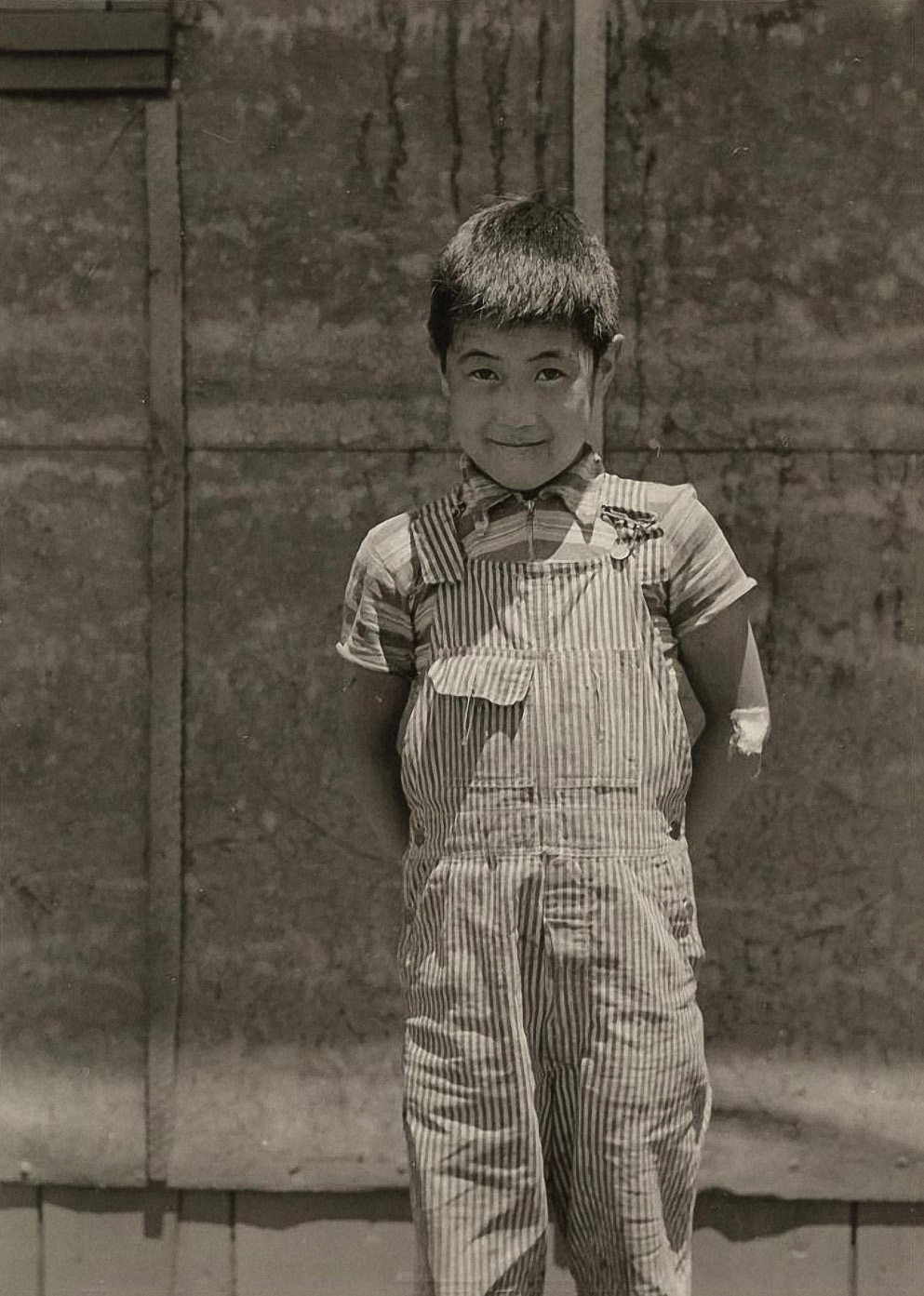 Orphan boy - 1942 (Photo by Dorothea Langue courtesy Online Archive of California) |
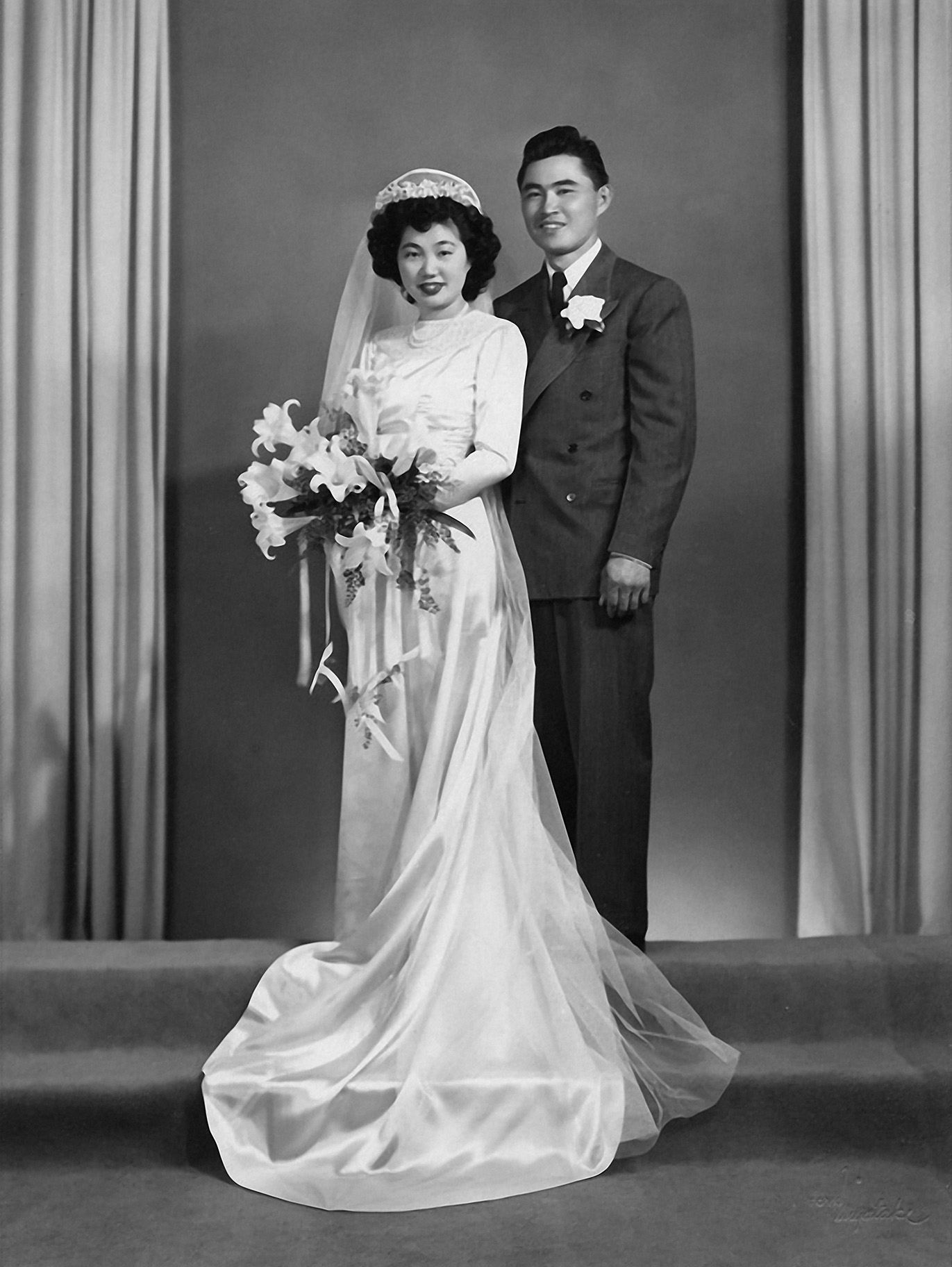 Harumi Ogawa & Tadashi Fujihara - 1947 (Photograph by Toyo Miyatake) |
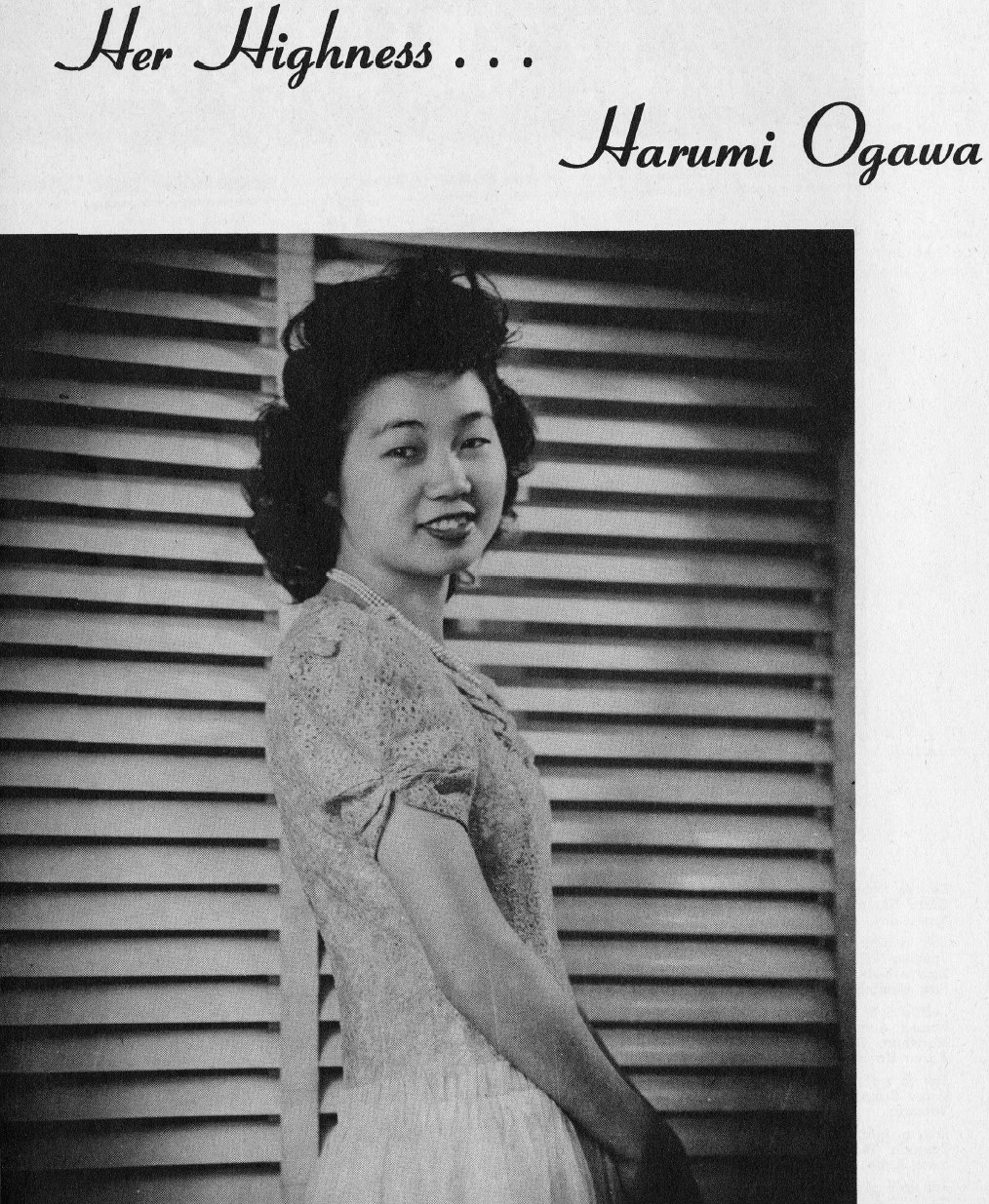 Harumi Ogawa - 1945 |
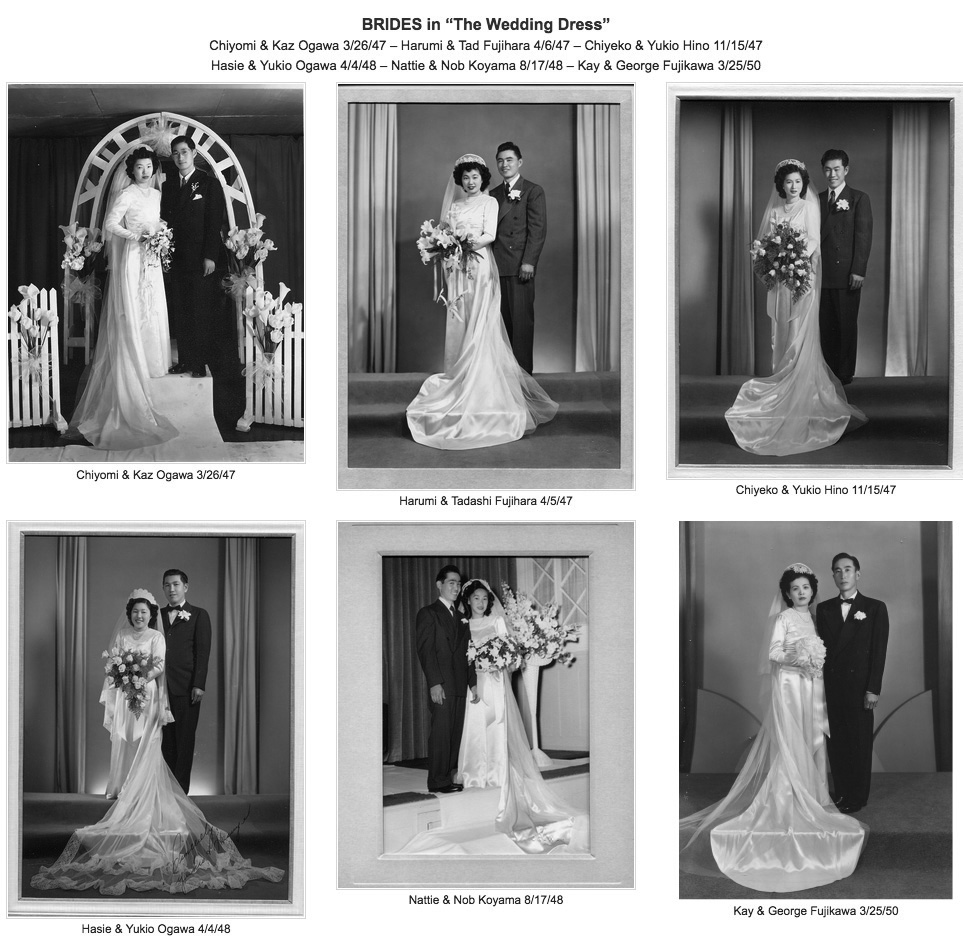 Six Japanese American weddings where the brides wore the same dress. (Photographs by Toyo Miyatake) |
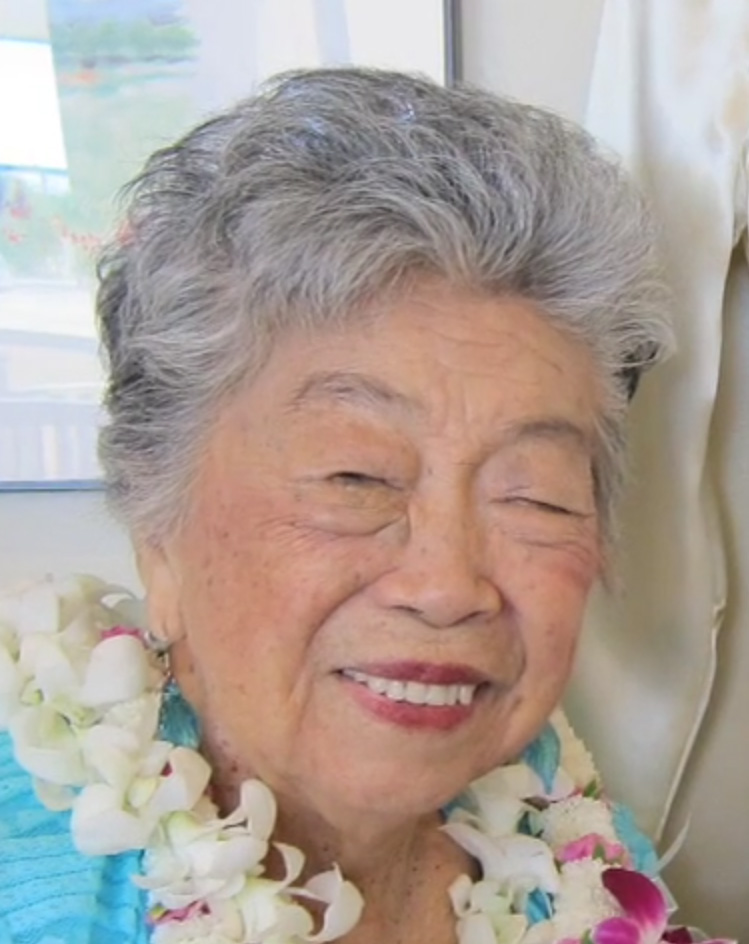 Chiyomi Ogawa - 1997 |
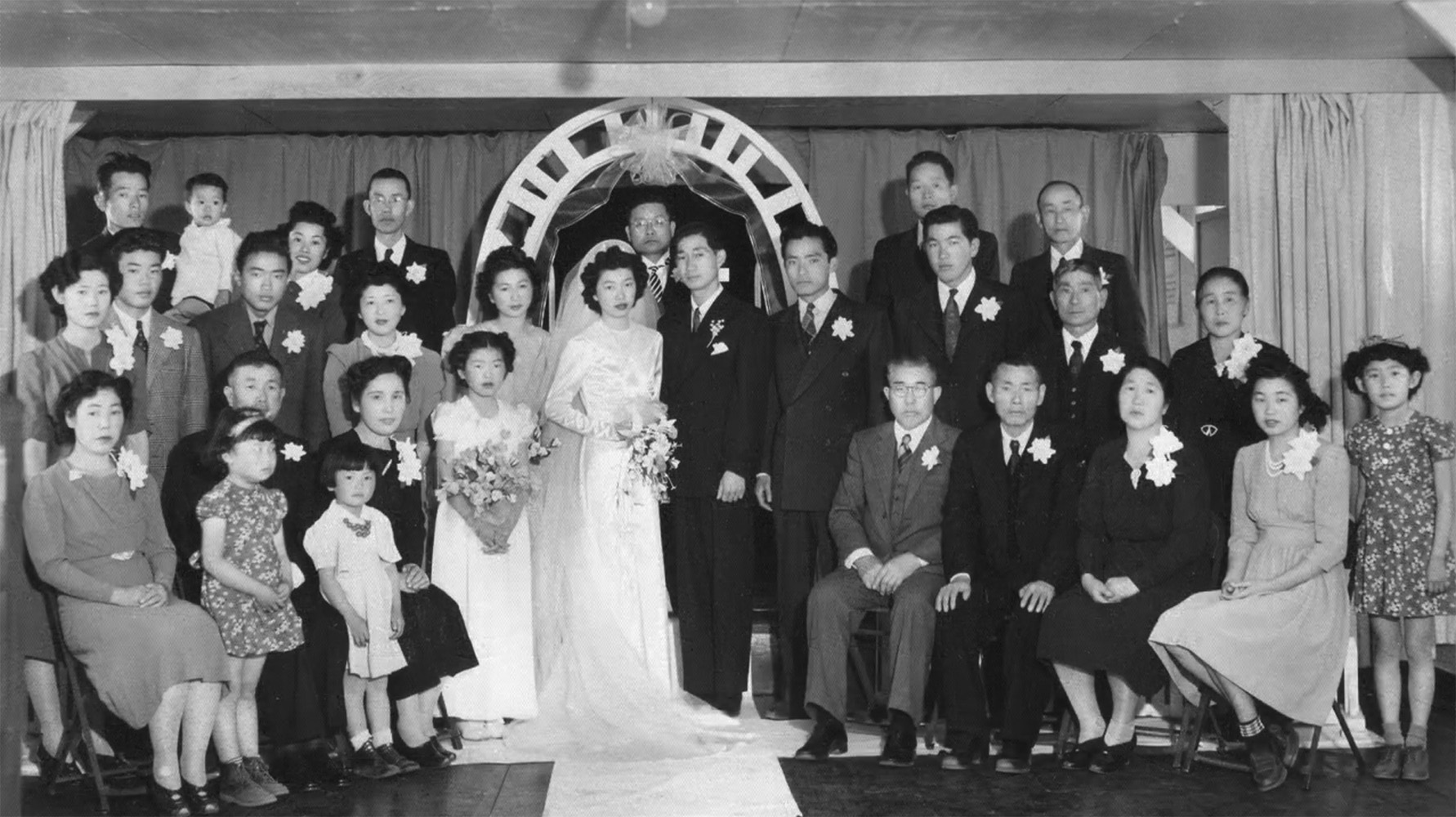 Harumi Ogawa & Tadashi Fujihara's wedding party - 1947 (Photograph by Toyo Miyatake) |
|
Harumi Ogawa and Tadashi Fujihara
by Wendy Fujihara Anderson
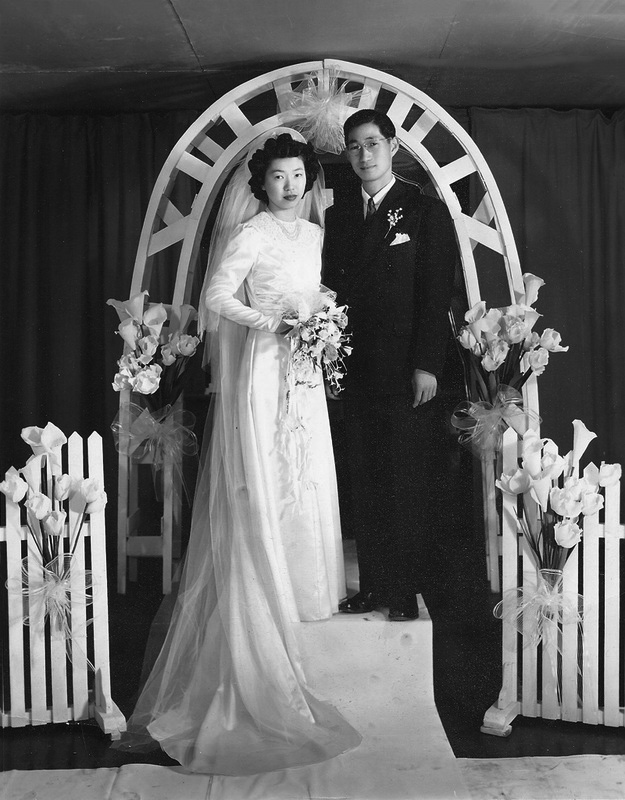
Chiyomi Ogawa and Kaz Ogawa
(Photograph by Toyo Miyatake)
Six Weddings and "The Wedding Dress"
Chiyomi Ogawa first wore her wedding dress in the shadow of Manzanar, a Japanese American concentration camp.
The dress was then worn by five other women. This is their story.
by Steve Nagano
Six Weddings and a Dress - The 8 Minute Documentary
by Steve Nagano
Francis Stewart Photographs from Online Archive of California |
||
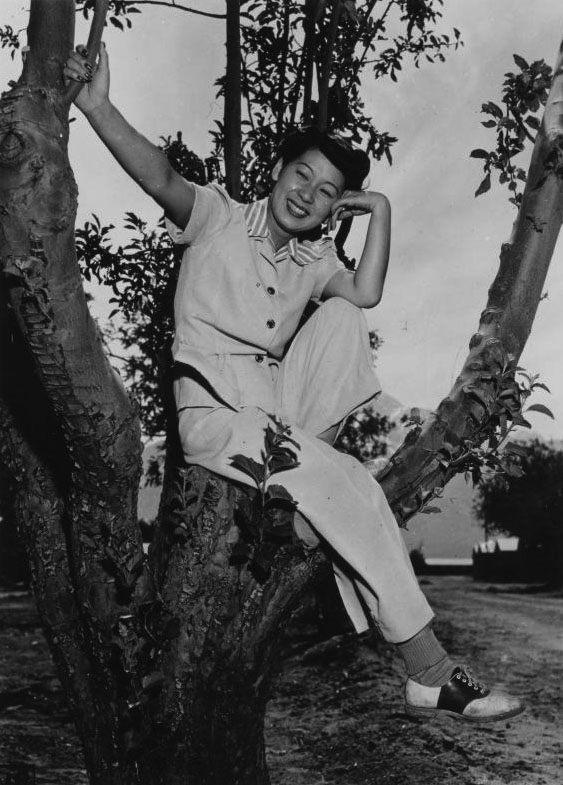 Kinu Hirashima (Photographer Francis Stewart - 1942) |
|
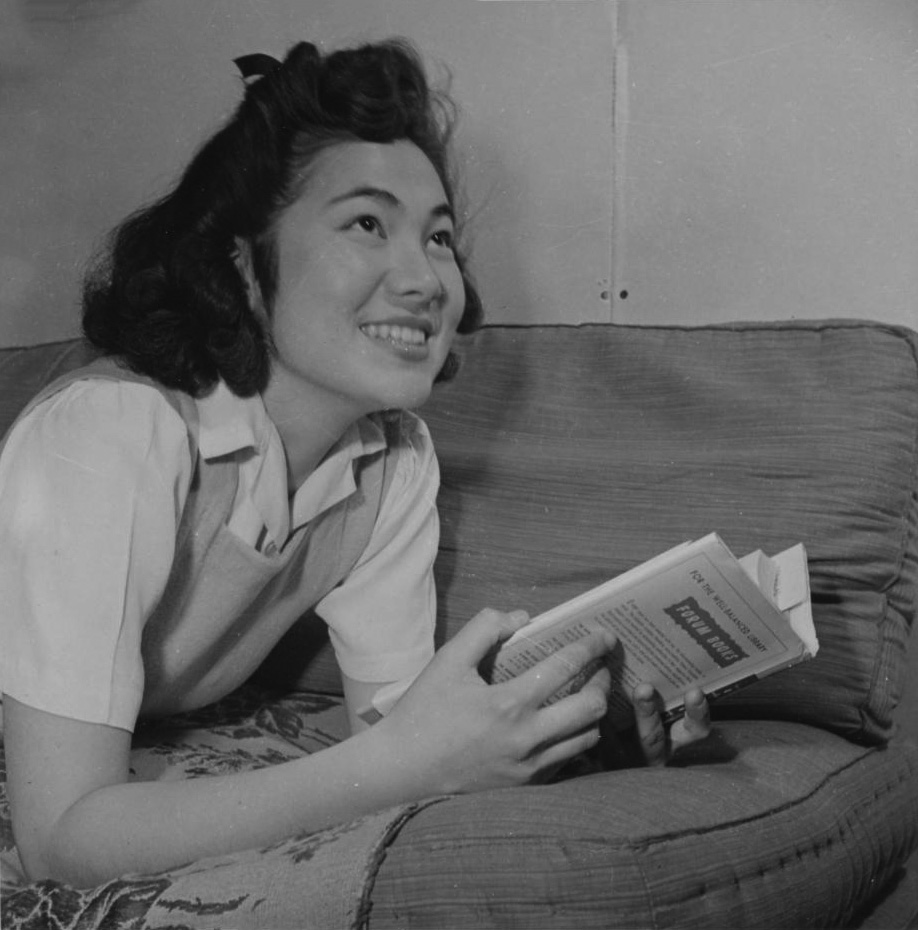 Lucy Yonemitshu (Photographer Francis Stewart - 1943) |
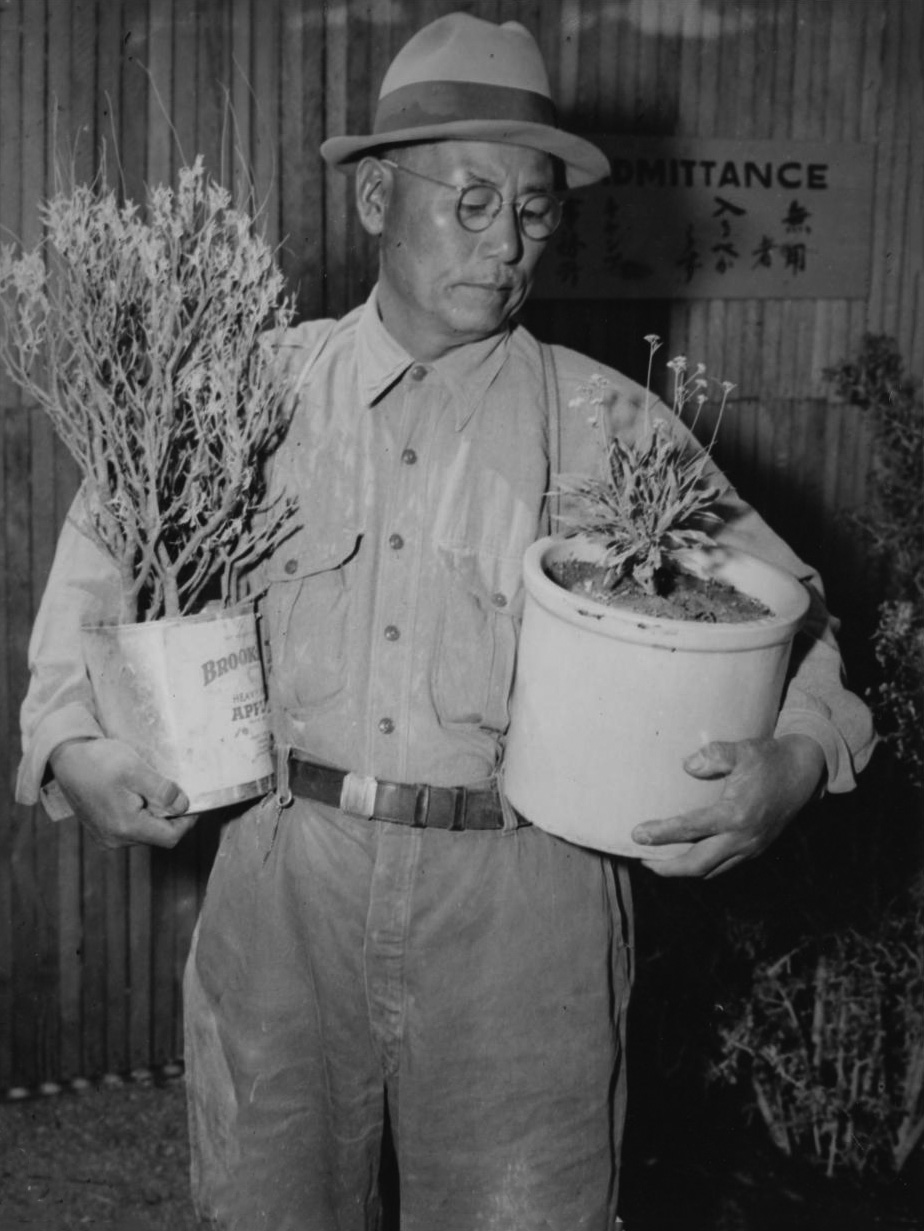 Walter T. Watanabe - 1942 Rubber project foreman at Manzanar |
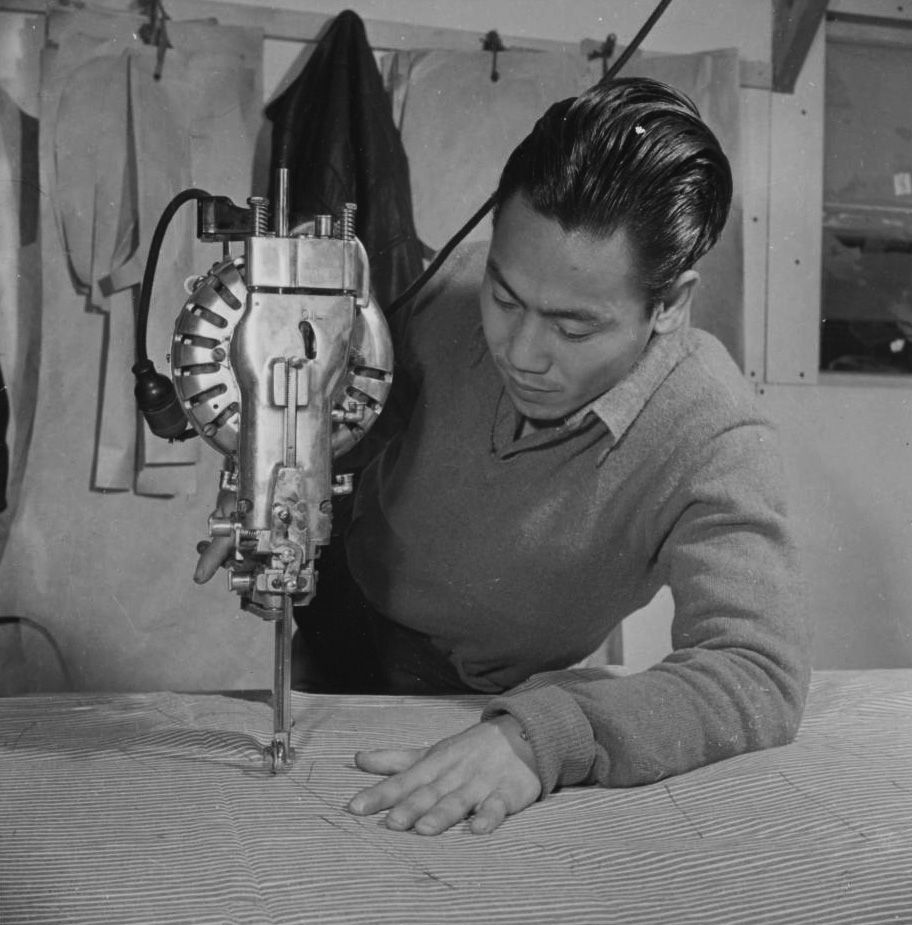 Bert Miura - 1942 Garment factory worker at Manzanar |
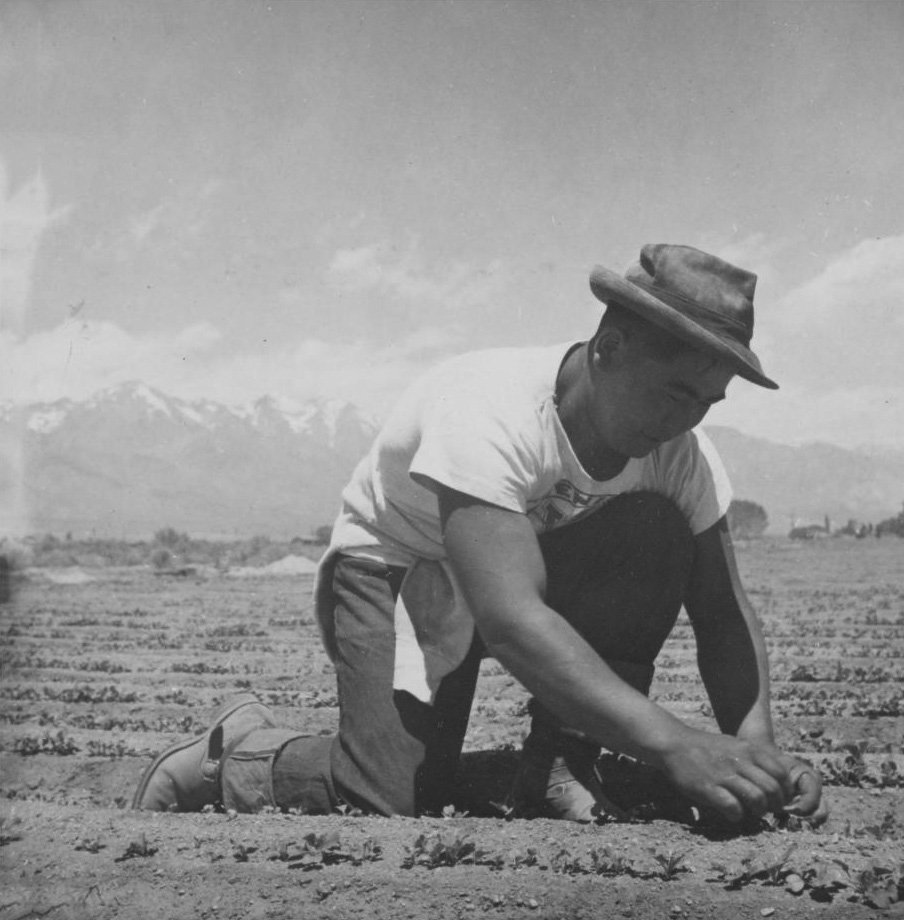 Ichiro Okumura - 1942 Thinning radishes at Manzanar |
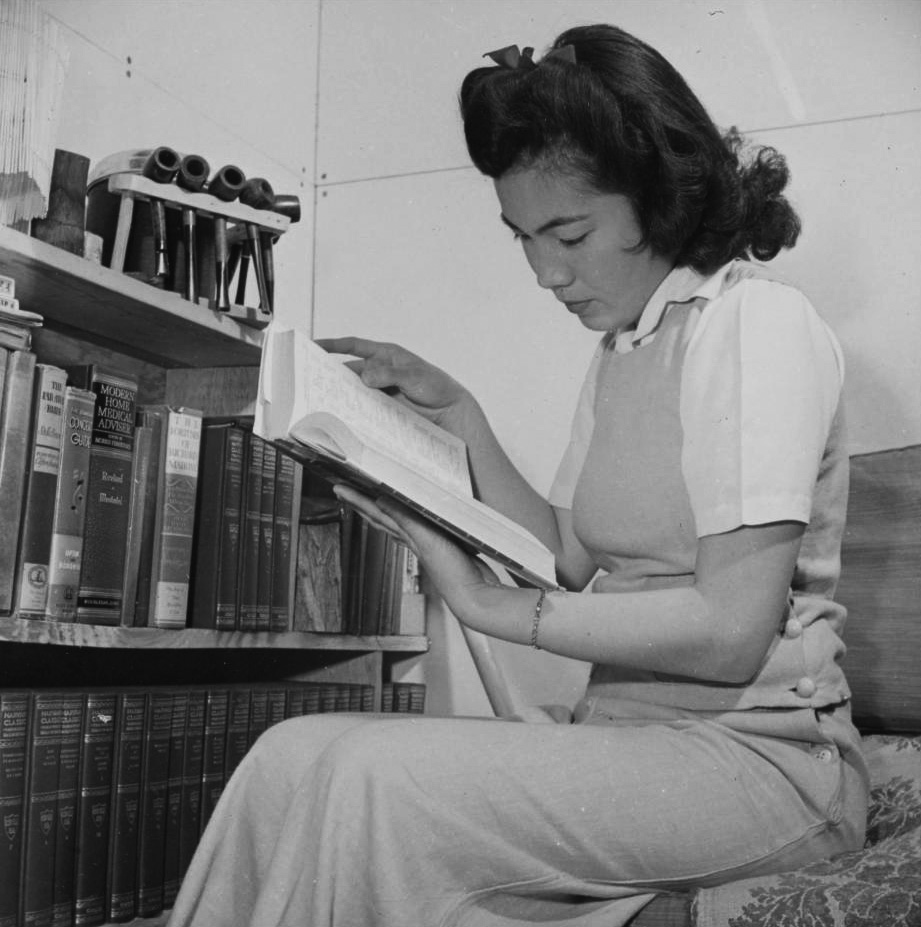 Lucy Yonemitshu - 1942 In her barracks at Manzanar |
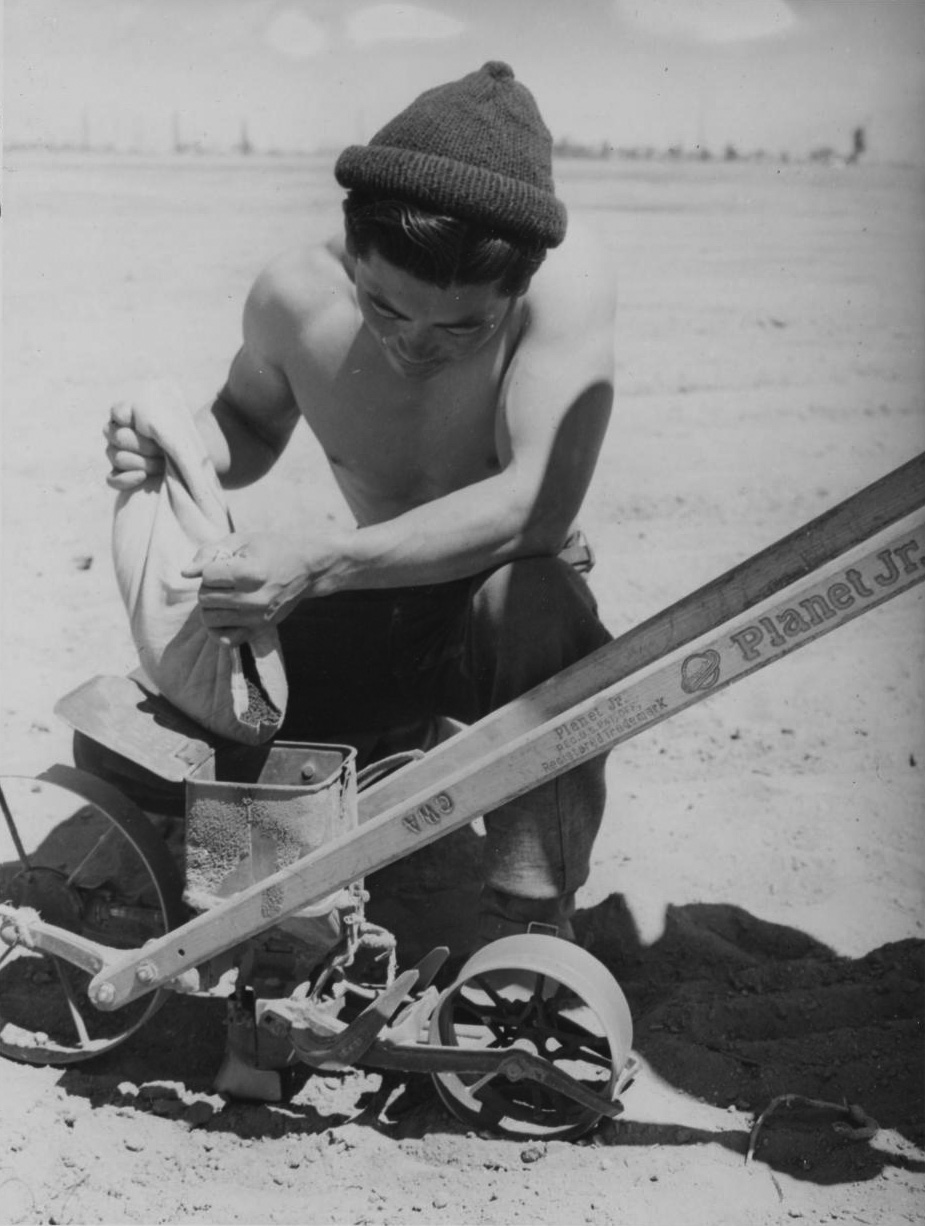 George Sakai - 1942 Pouring onion seed into hand planter |
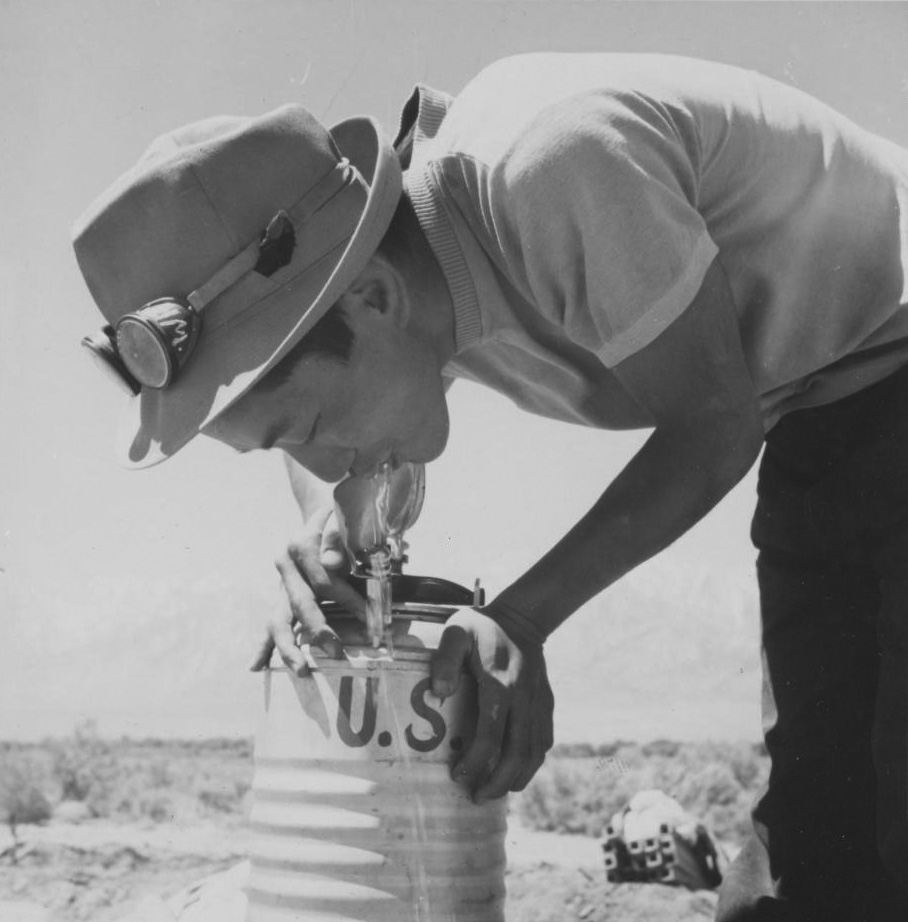 Masaro Takahashi - 1942 Drinking from portable army canteen |
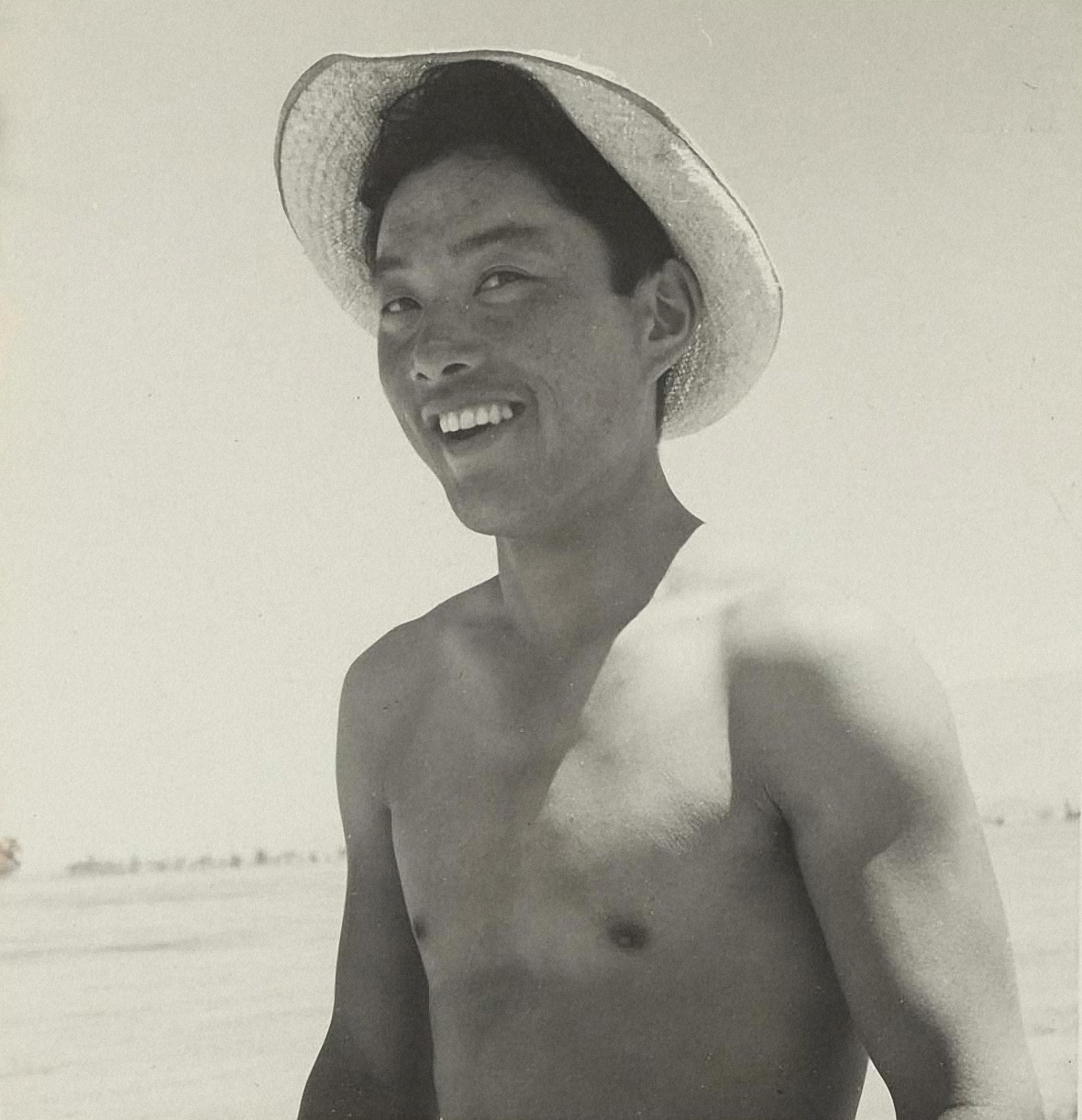 11/23 11/23Young Nisei sowing onions - 1942 In her barracks at Manzanar |
11/23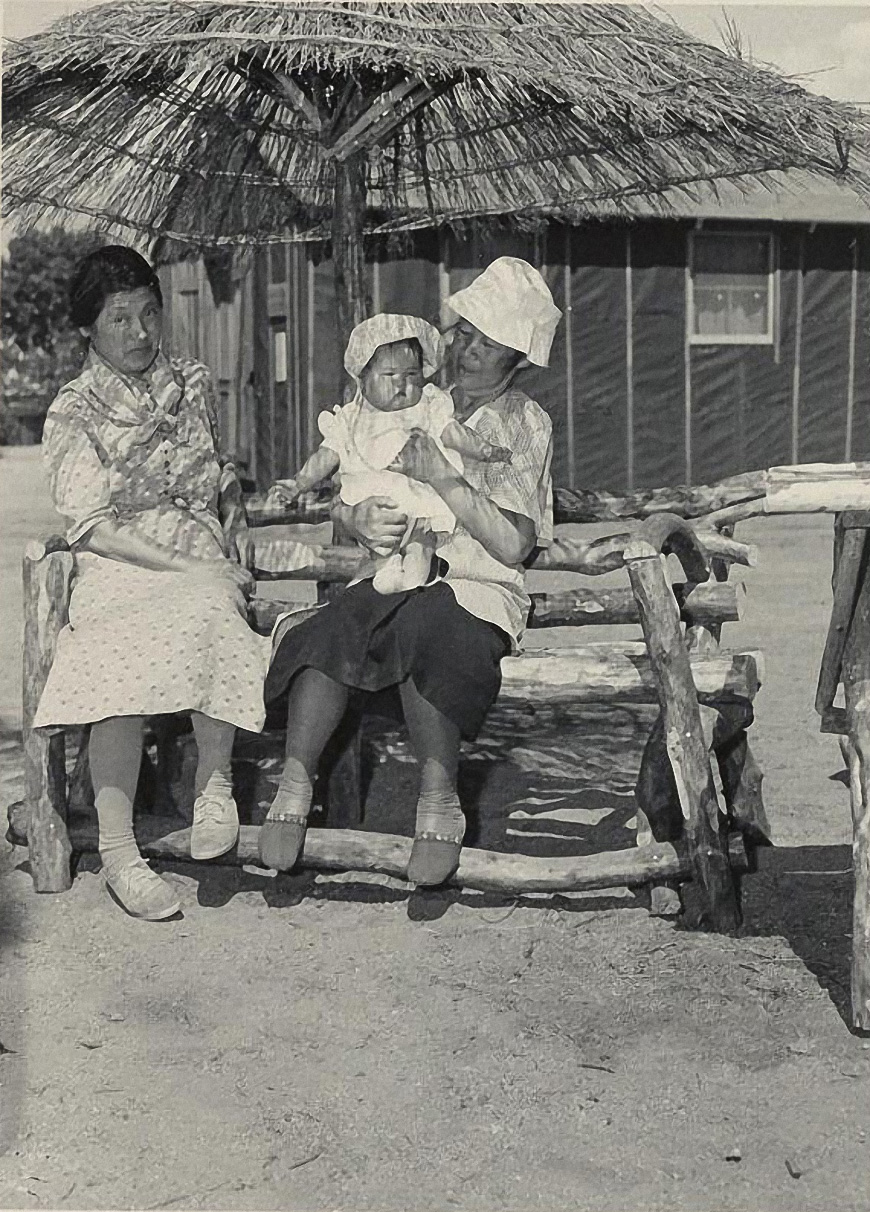 L/R: Mrs. T. Kakehashi, Mitsoshi Shijo, Mrs. M. Shijo - 1942 |
|
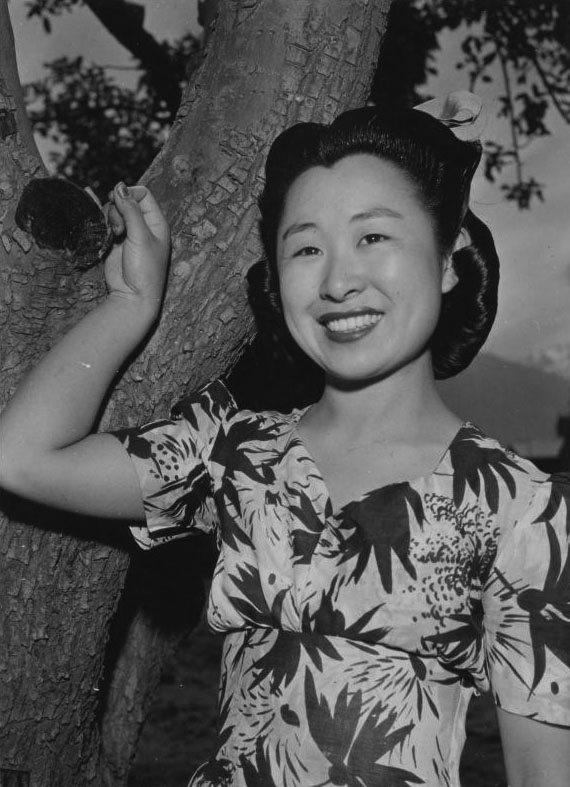
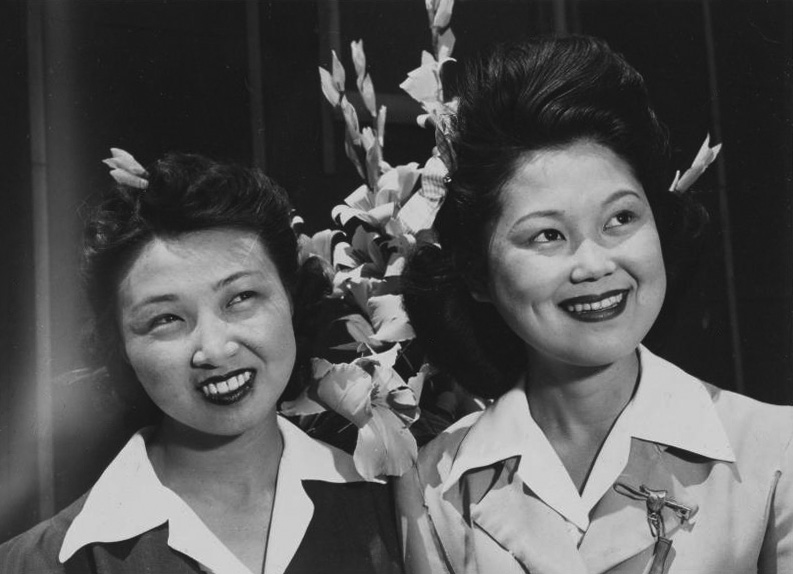 L/R: Nancy Kawashima, Emiko Hino - 1942 |
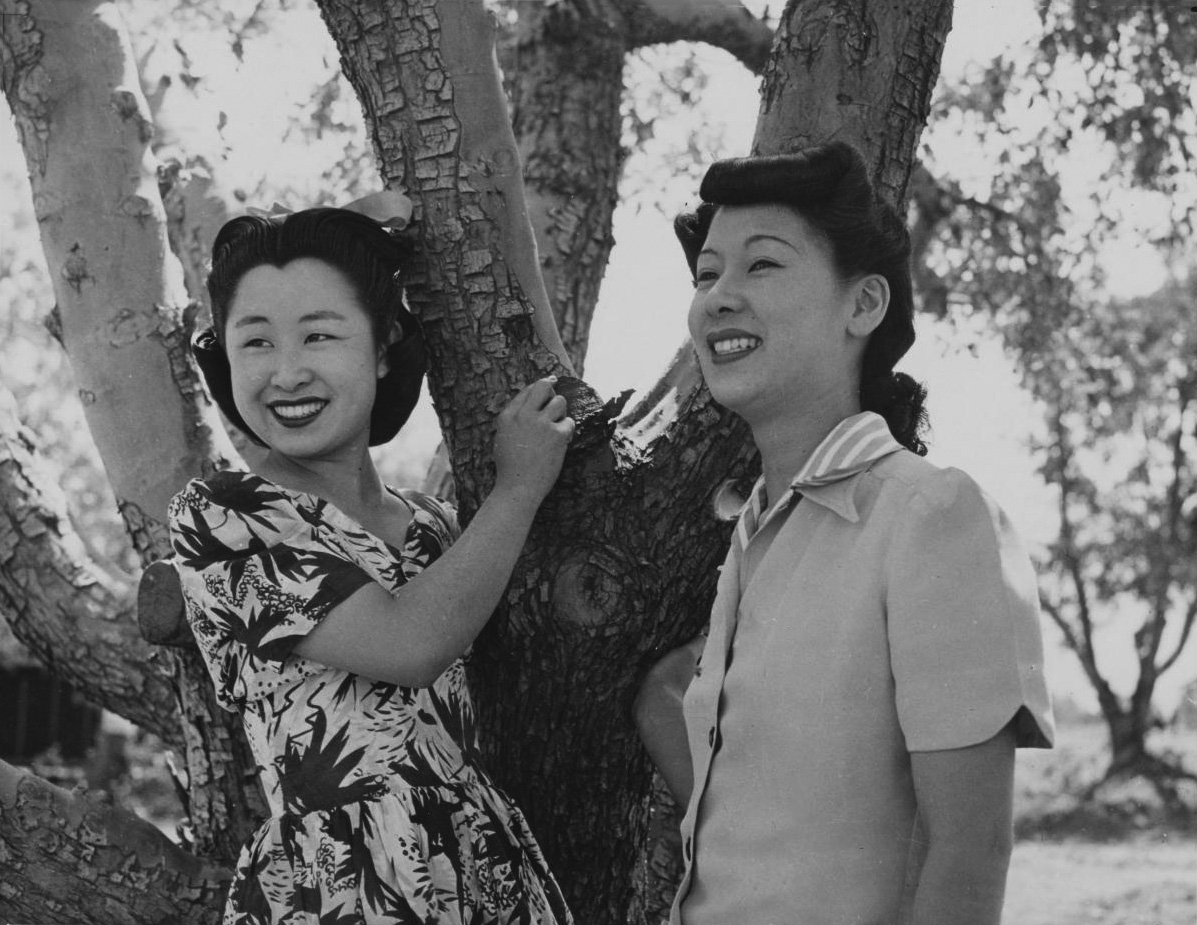 L/R: Florence Yamaguchi, Kinu Hirashima - 1942 |
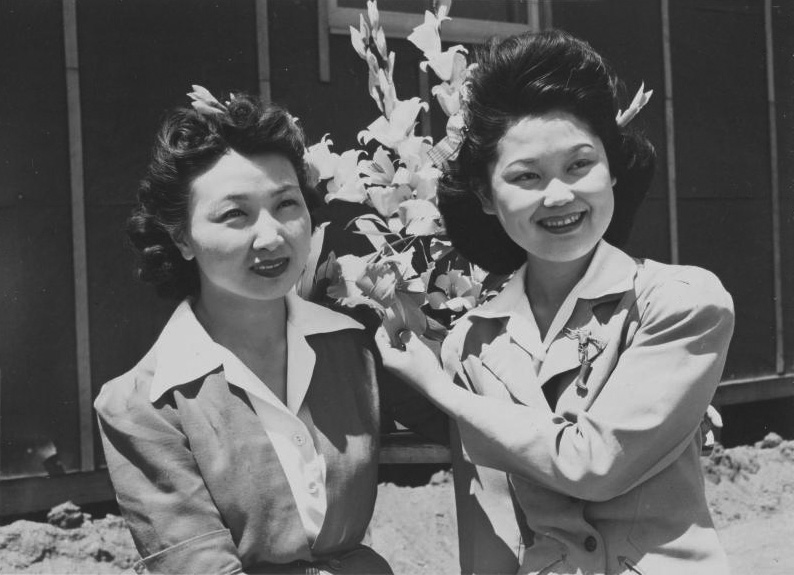 L/R: Nancy Kawashima, Emiko Hino - 1942 |
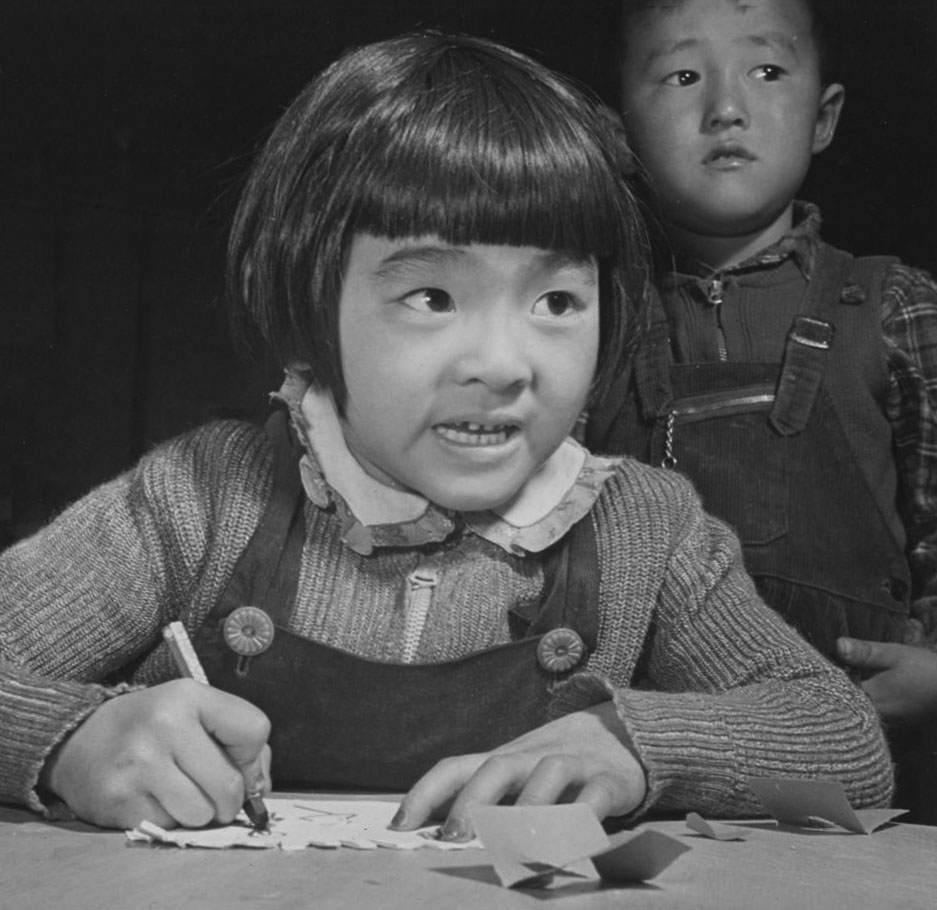 Unknown - 1943 |
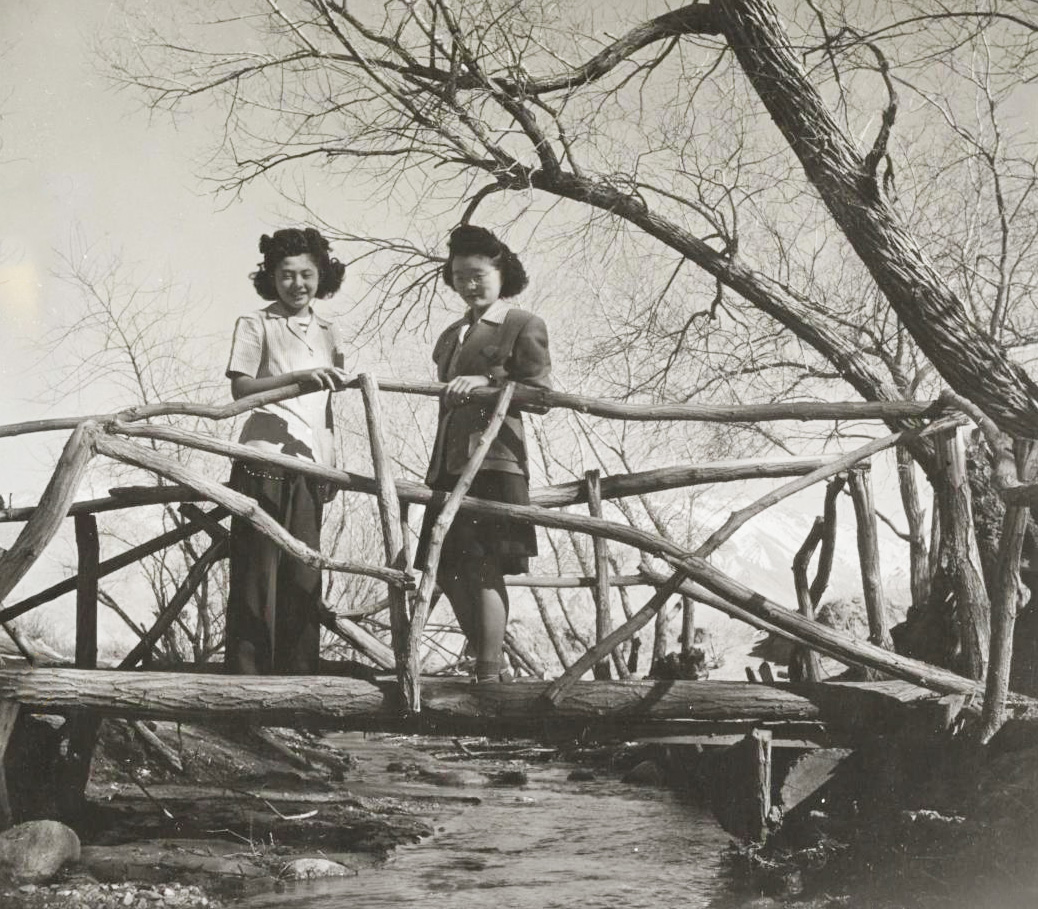 L/R: Toshiko Mikami, Kazuko Sakai - 1942 At the picnic grounds on the banks of Shepards Creek |
11/23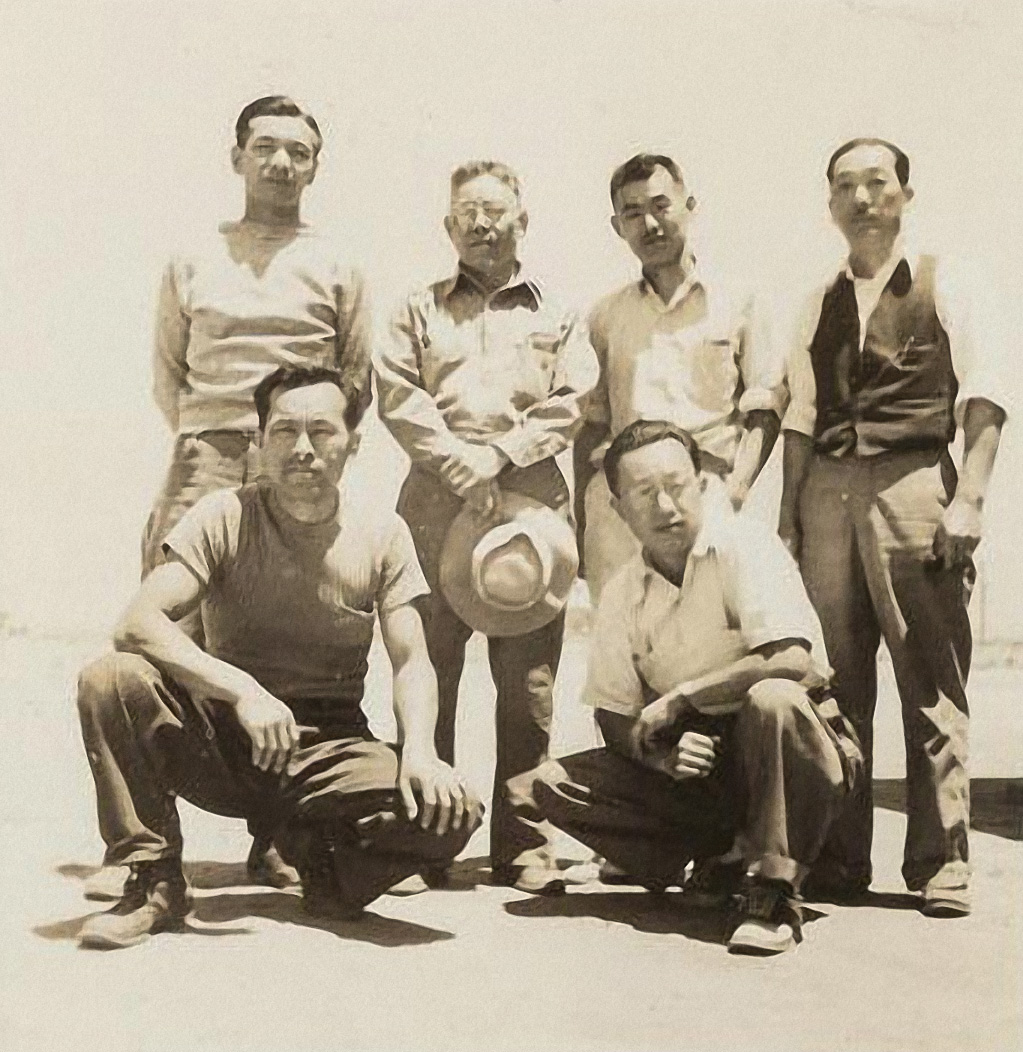 A group of block leaders drawing up the constitution for this WRA center - 1942 L/R (Back): Bill Kito, Ted Akahosihi, Tom Yamazaki, Harry Nakamura L/R (front): Karl Yoneda, H. Inouye |
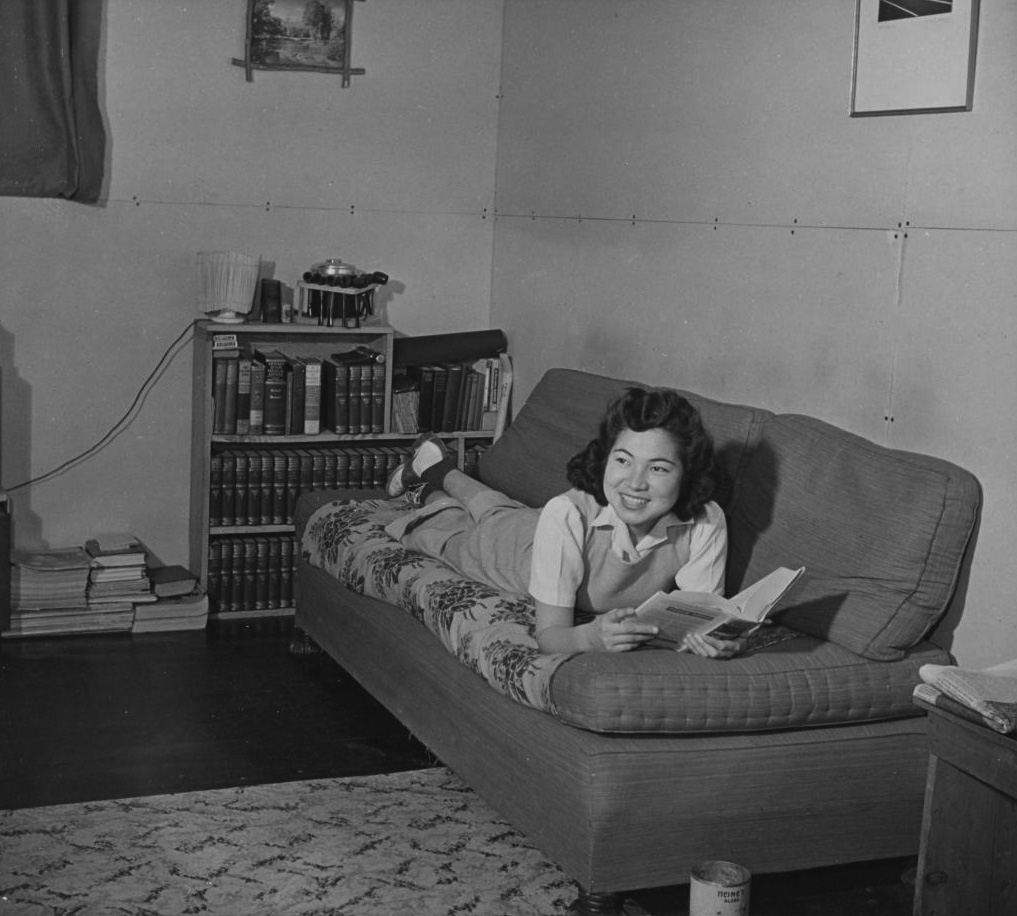 Lucy Yonemitshu - 1943 |
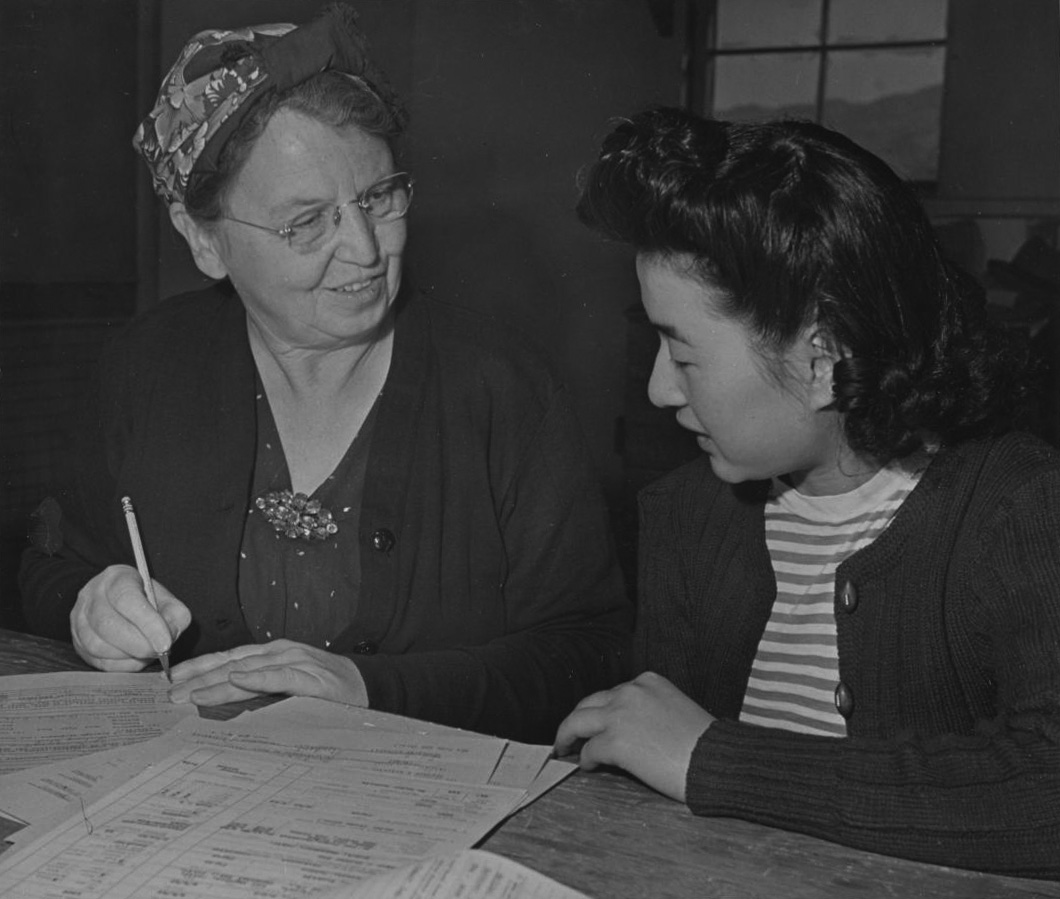 L/R: Mrs. Chlde Zimmerman, Fumi Ido - 1943 |
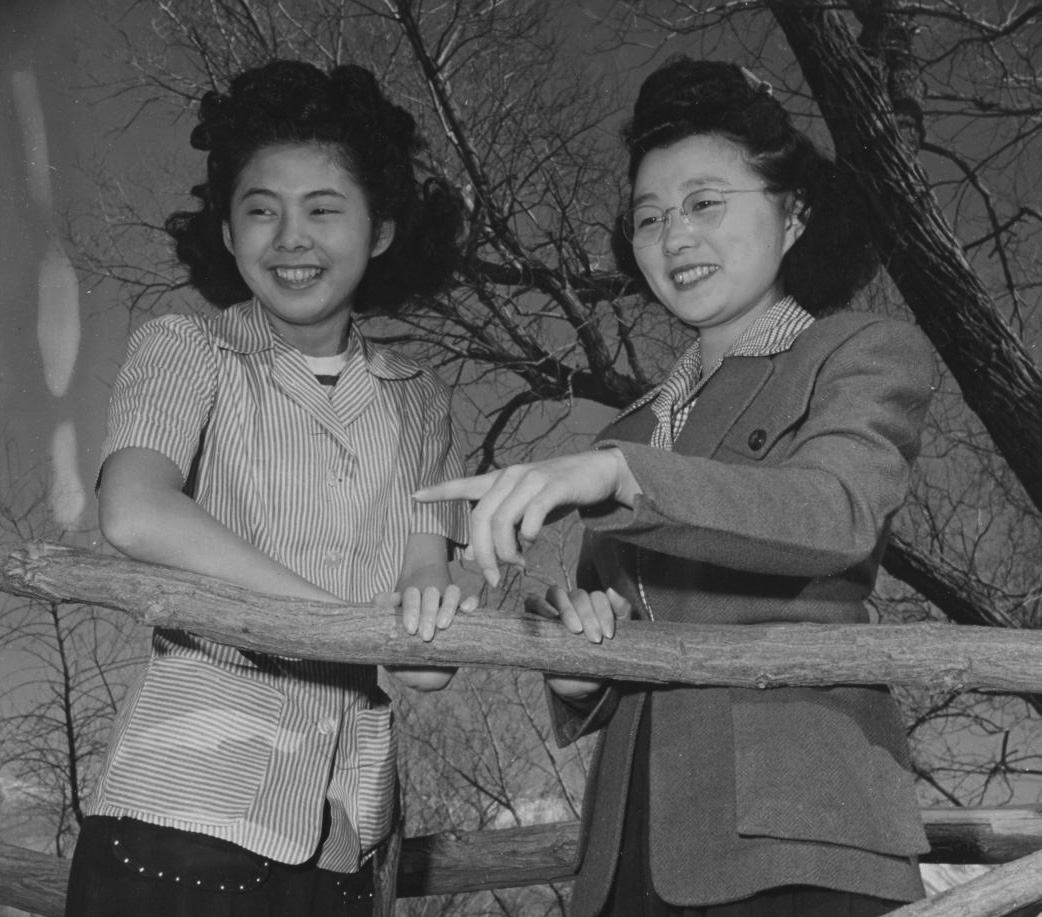 L/R: Toshiko Mikami, Kazuko Sakai - 1943 |
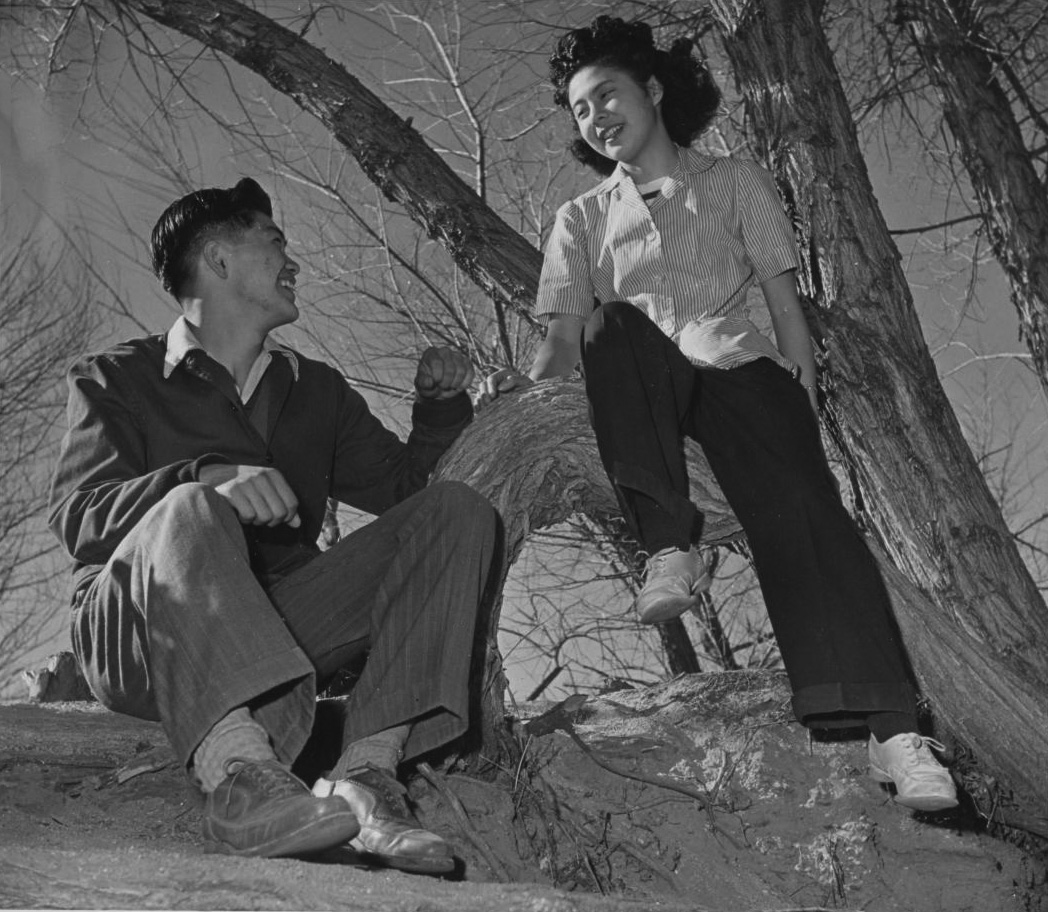 L/R: Takeshi Shindo, Toshiko Mikami - 1943 |
11/23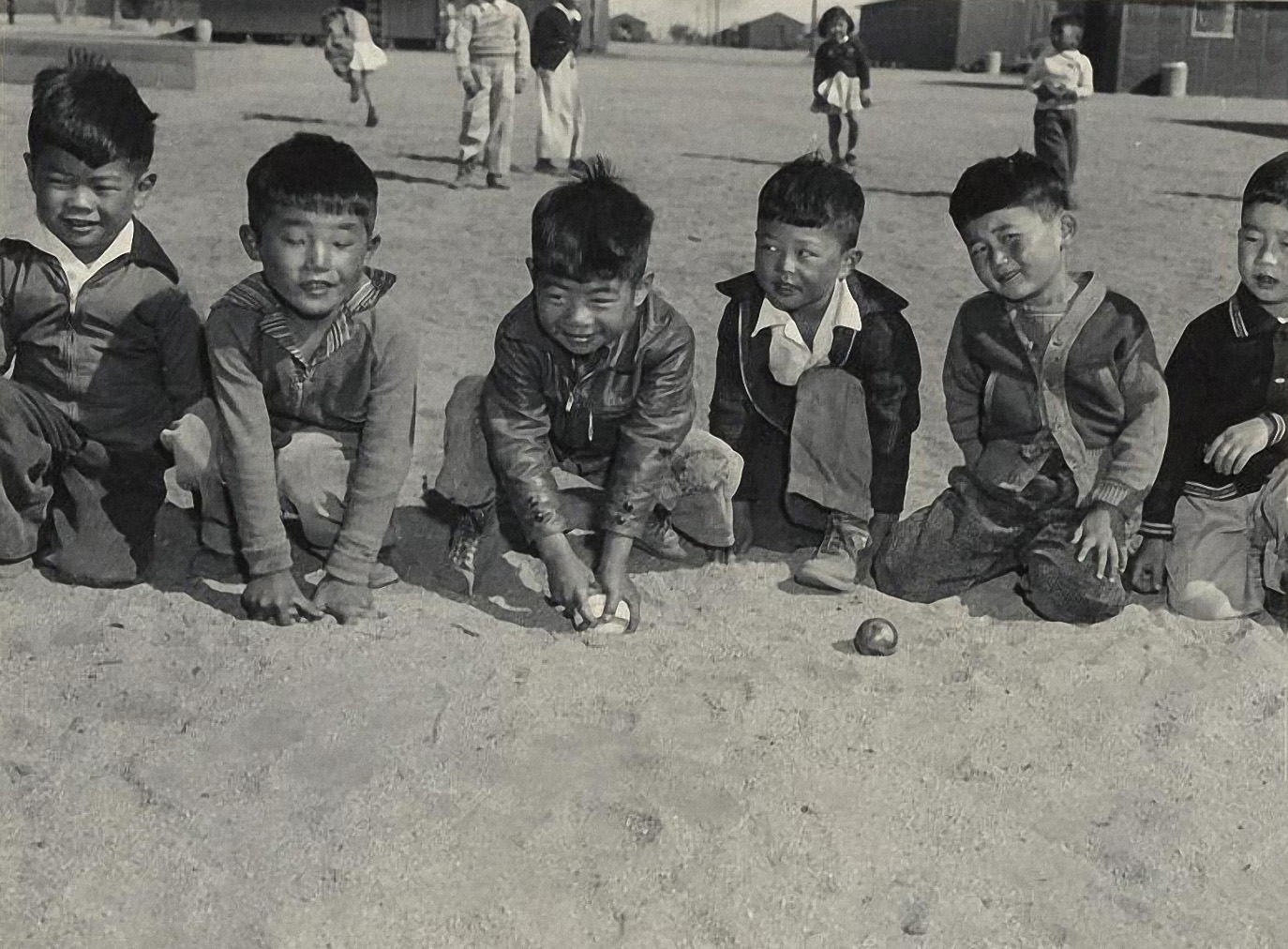 Youngsters playing in the field of a nursery school - 1942 |
Miscellaneous Photographs from Calisphere |
||
 Unknown |
 Unknown |
|
 Unknown |
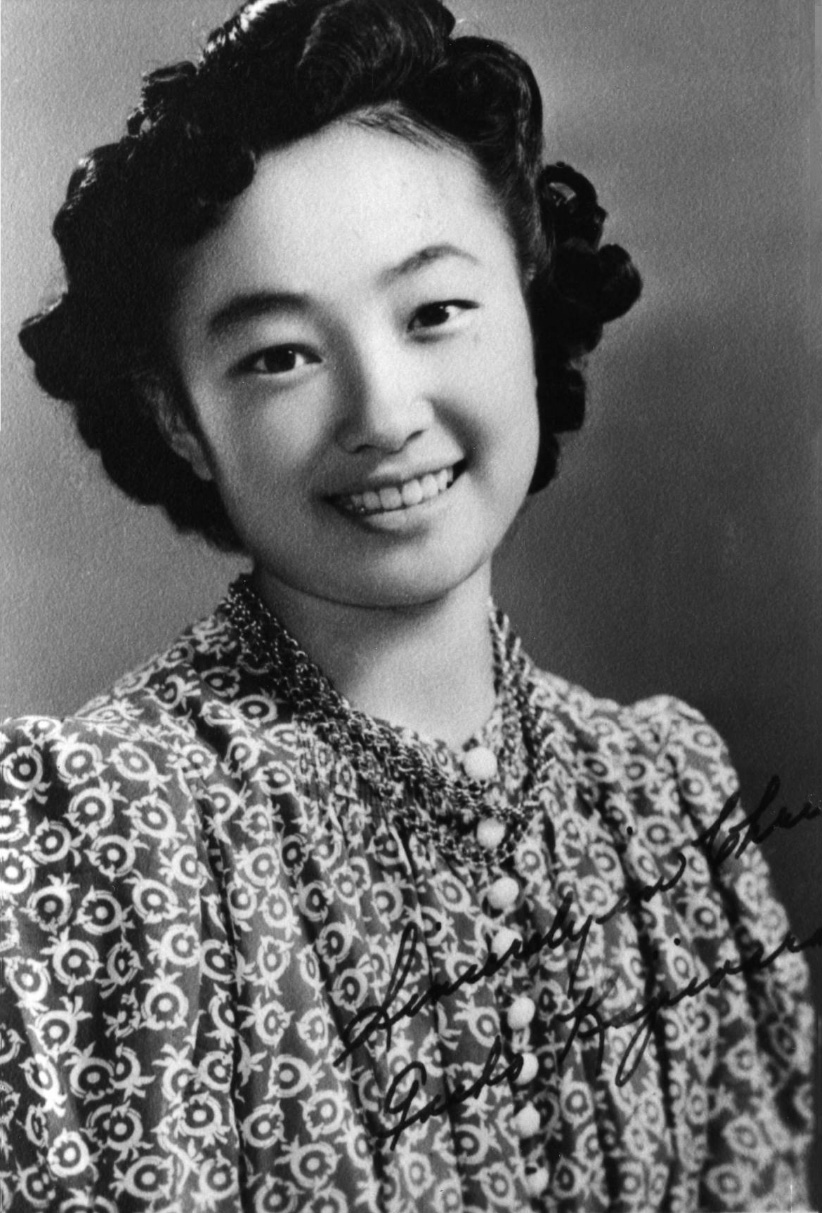 Taeko Kajiwara |
 Unknown |
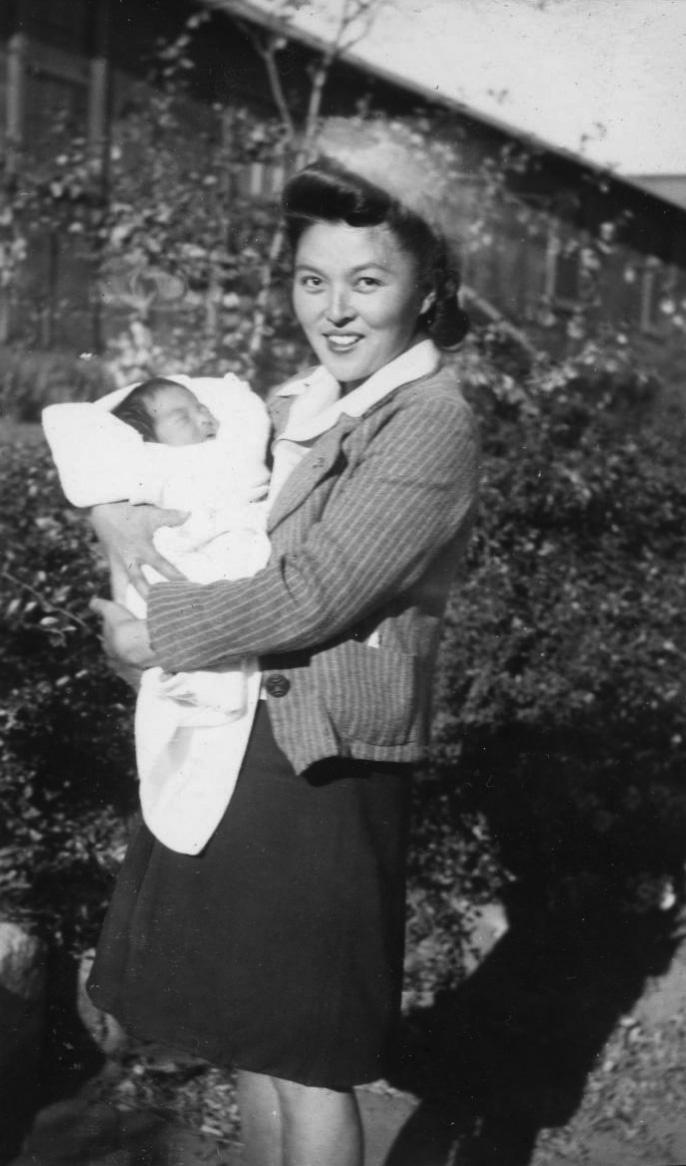 Taeko Kajiwara_a_t.jpg |
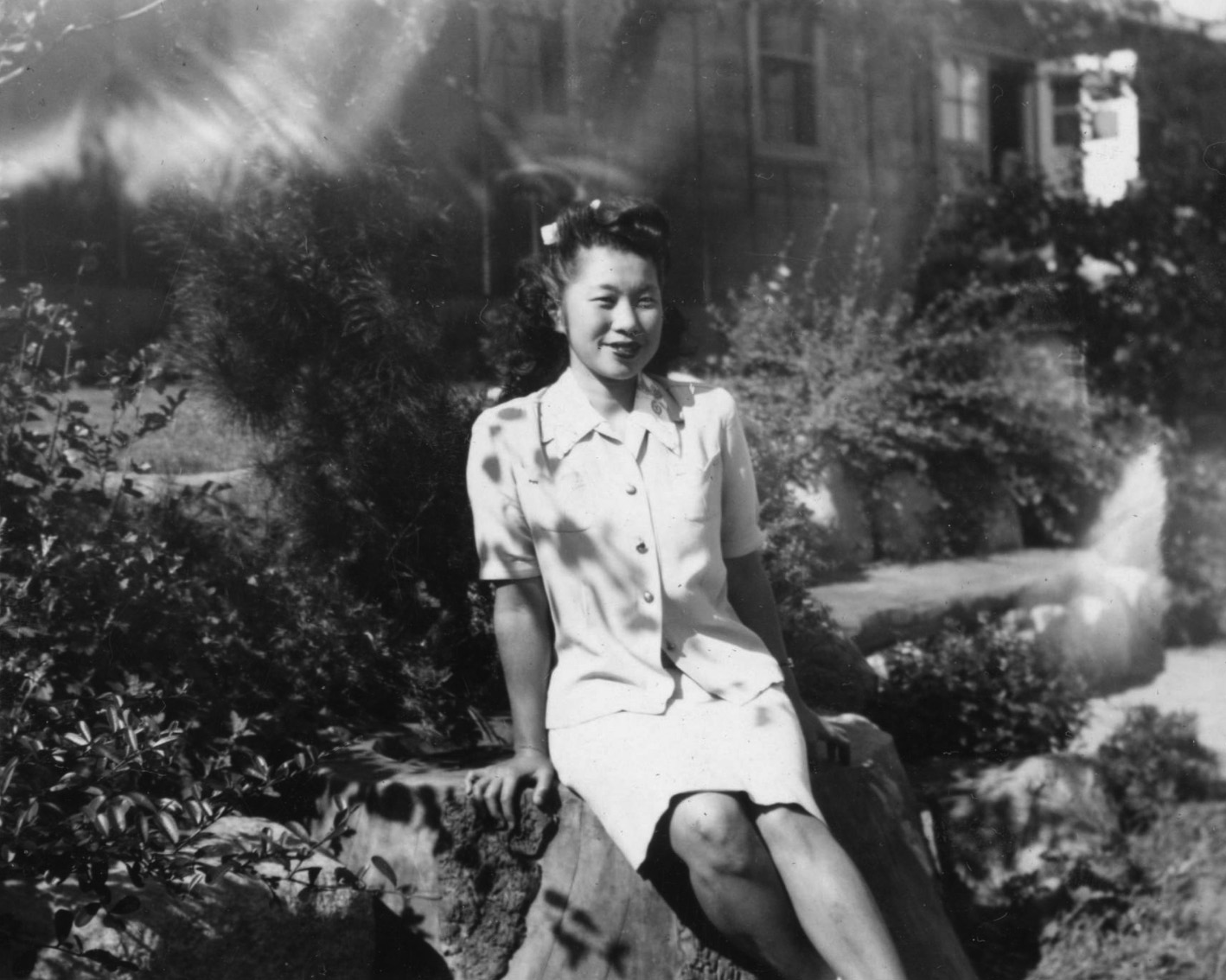 Unknown |
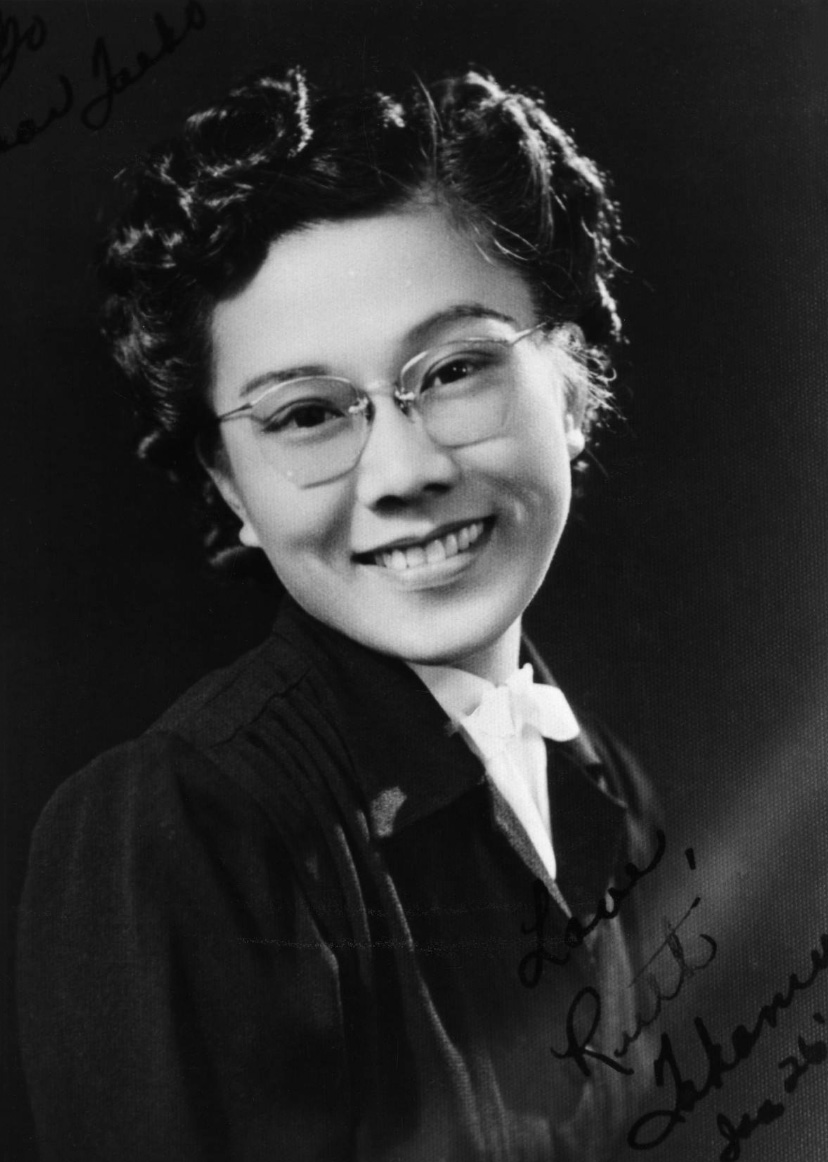 Taeko Kajiwara |
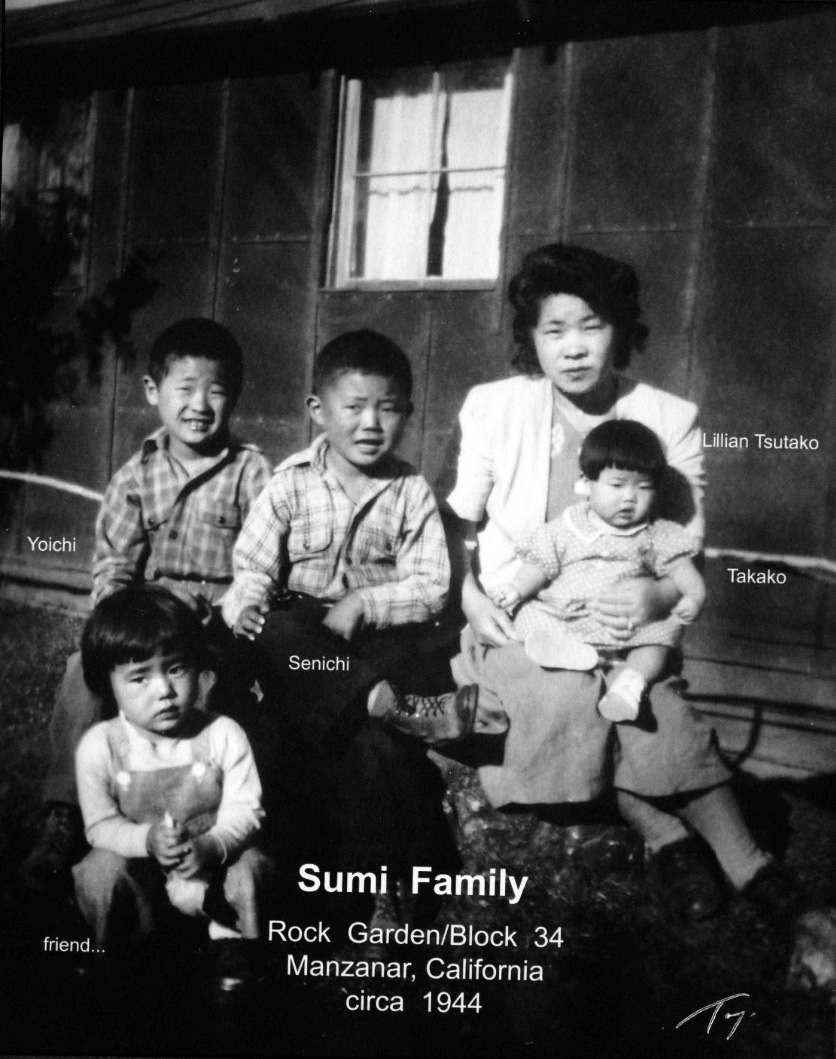 Sumi Family |
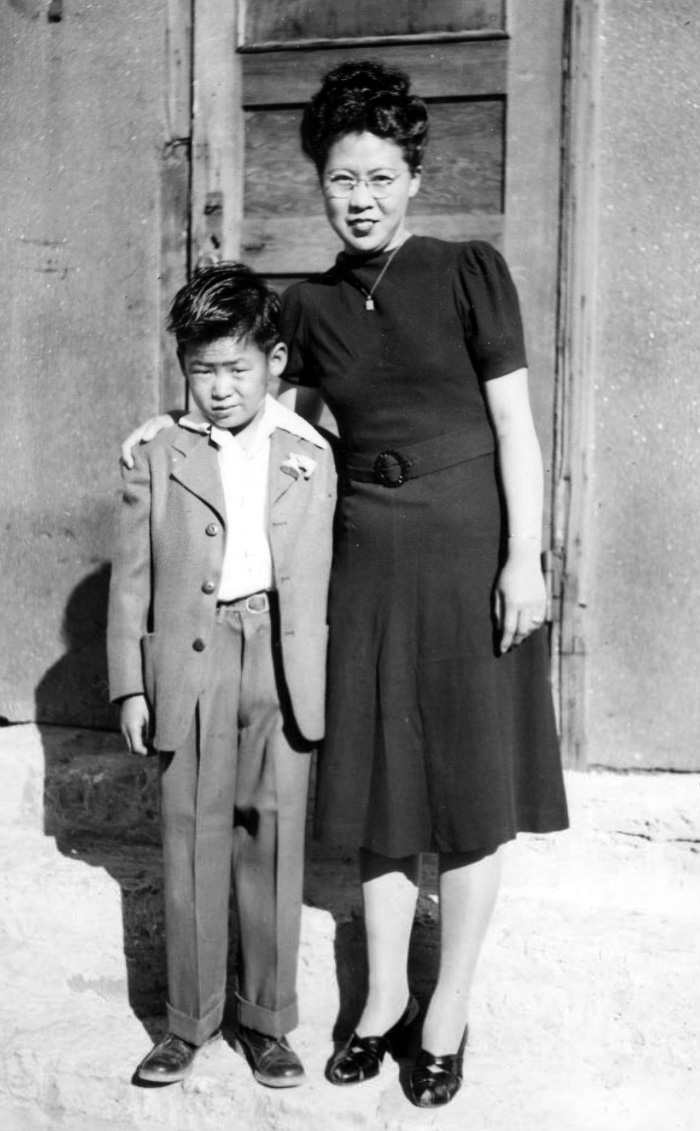 Mrs. Moroika and son Ned |
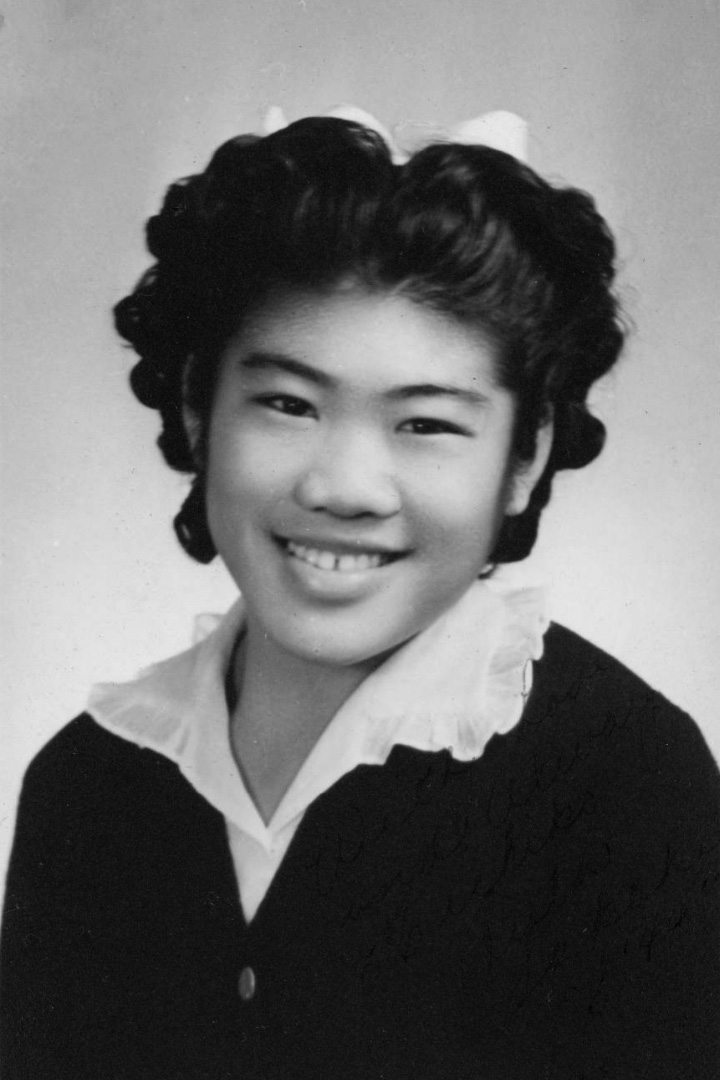 Mechiko Ruth Sakak |
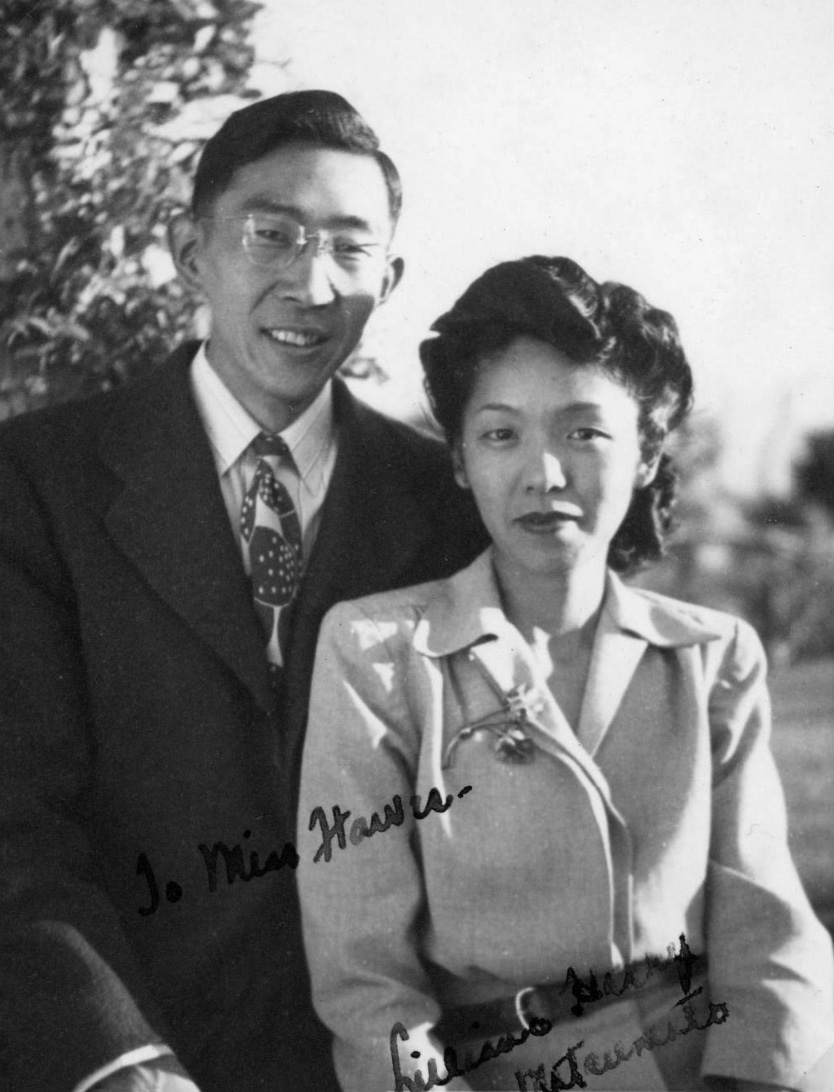 Harry and Lillian Matsumoto |
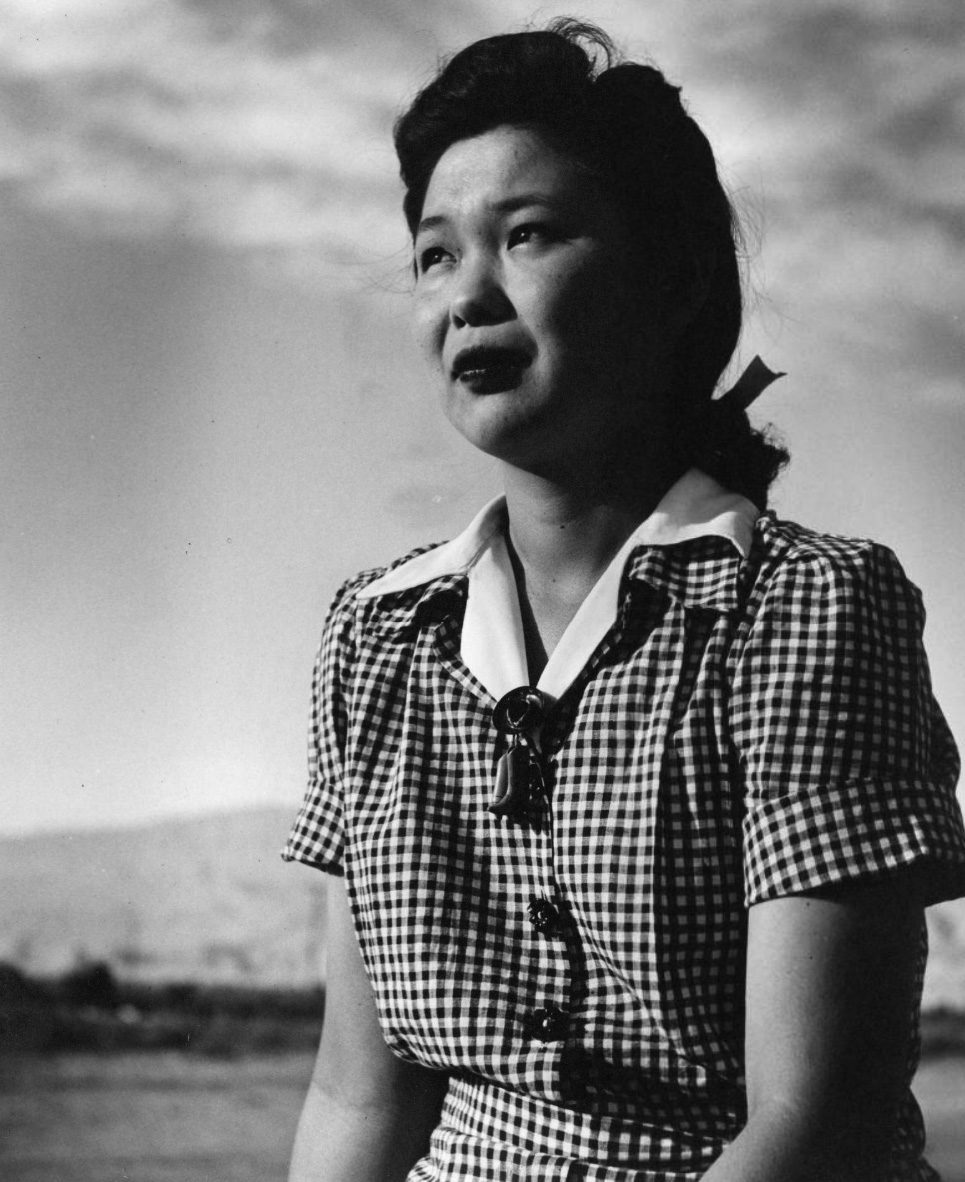 Unknown |
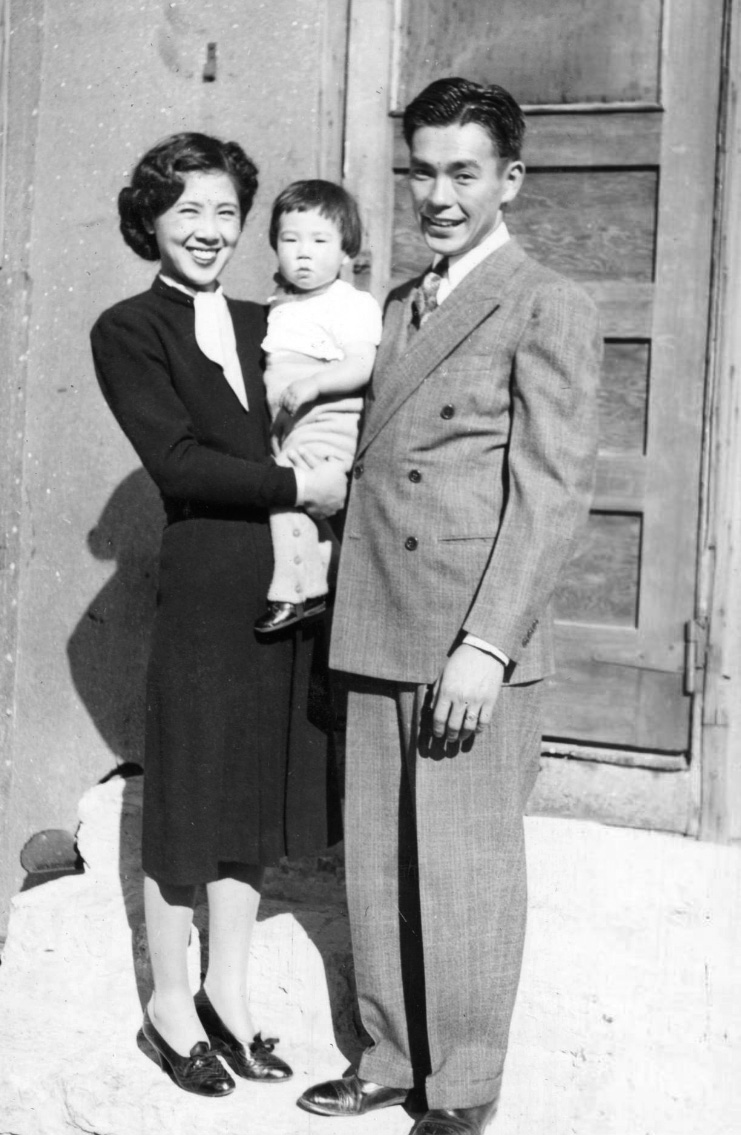 Jean and Togo Tanaka with their daughter |
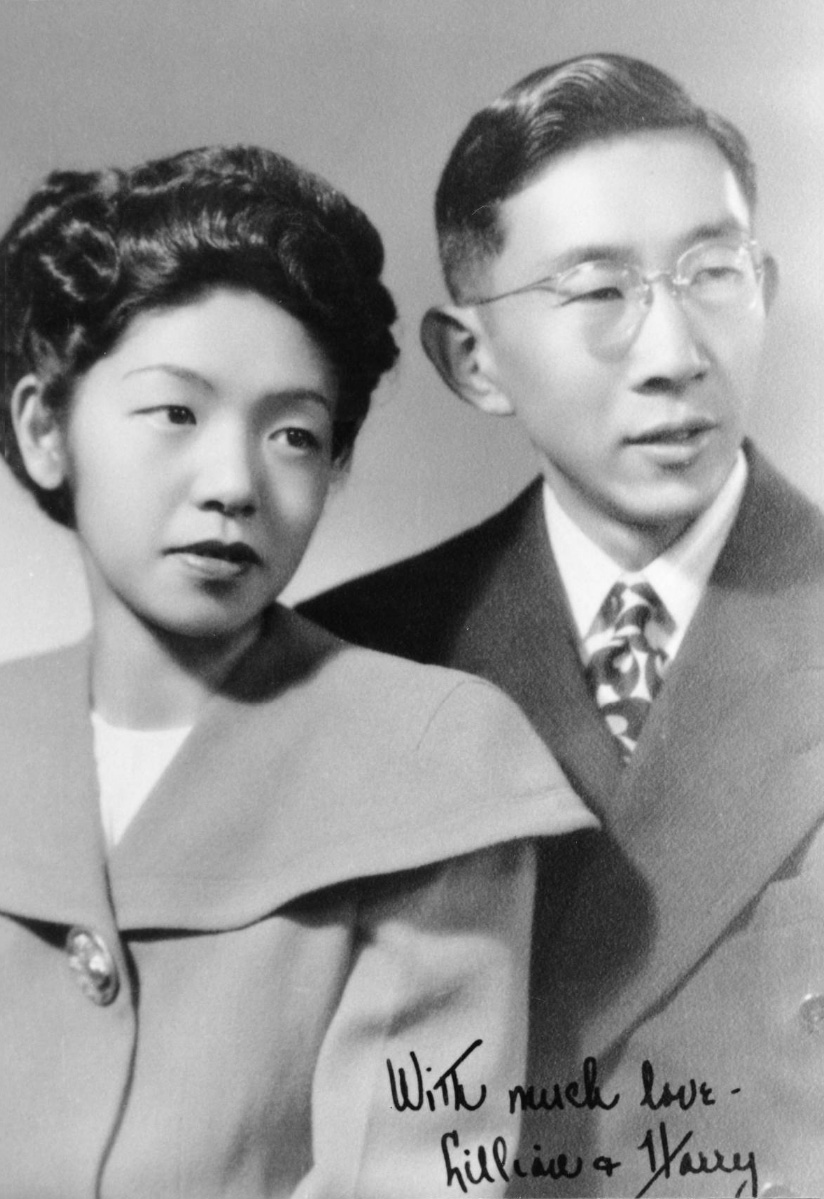 Harry and Lillian Matsumoto |
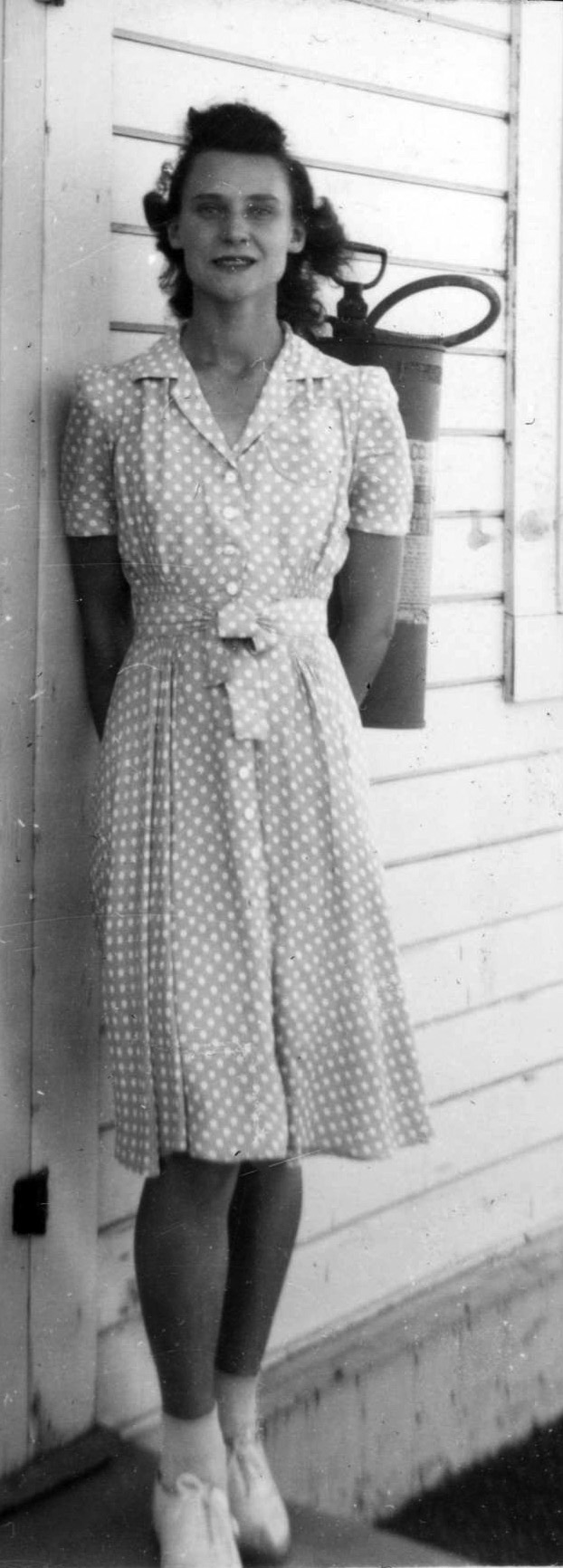 Elaine Clary Stanley - Manzanar teacher |
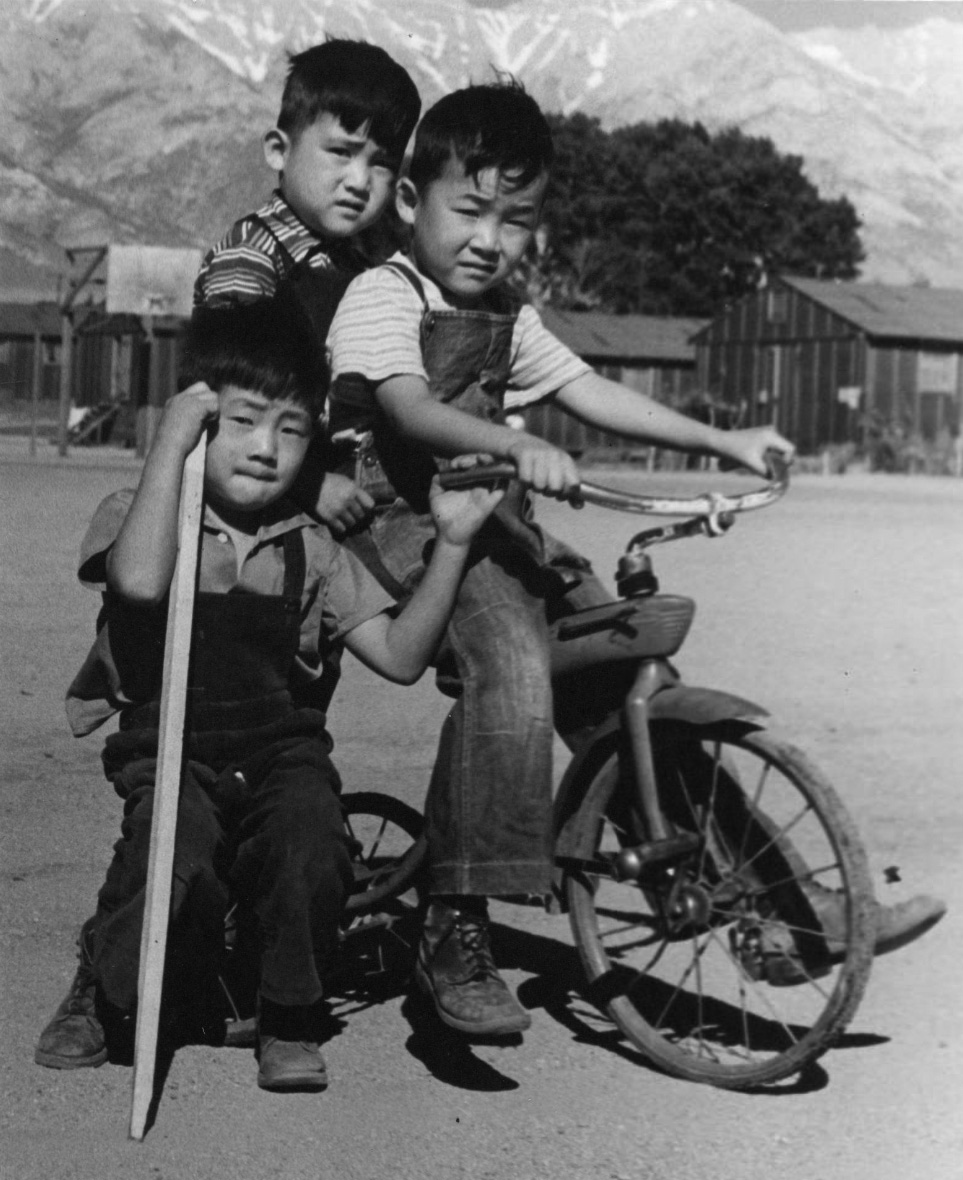 Three boys on a tricycle |
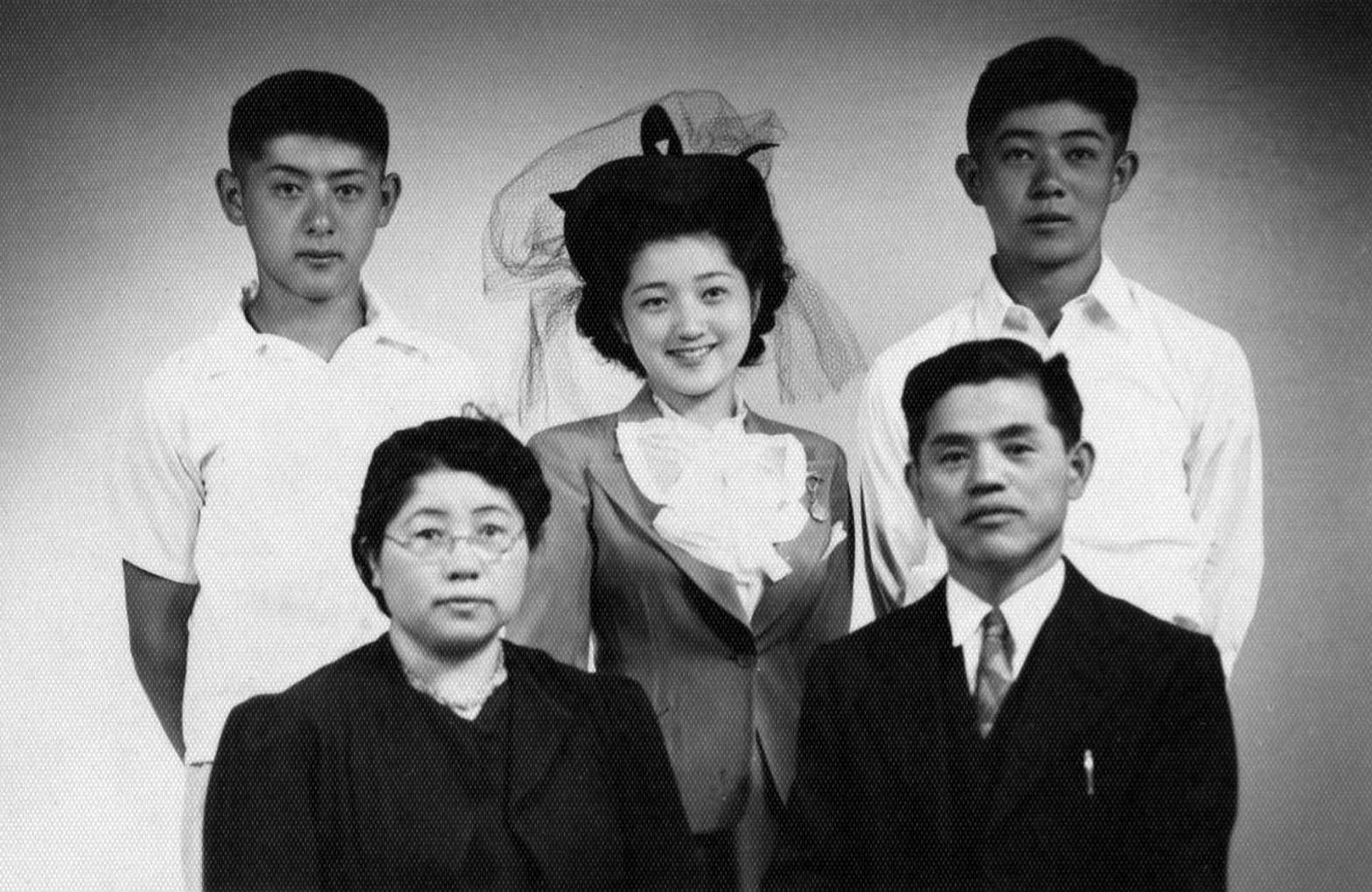 L/R (back): Roy Toda, Honey Toda, Akira Toda L/R (front): Mrs. and Mr. Henry Todo |
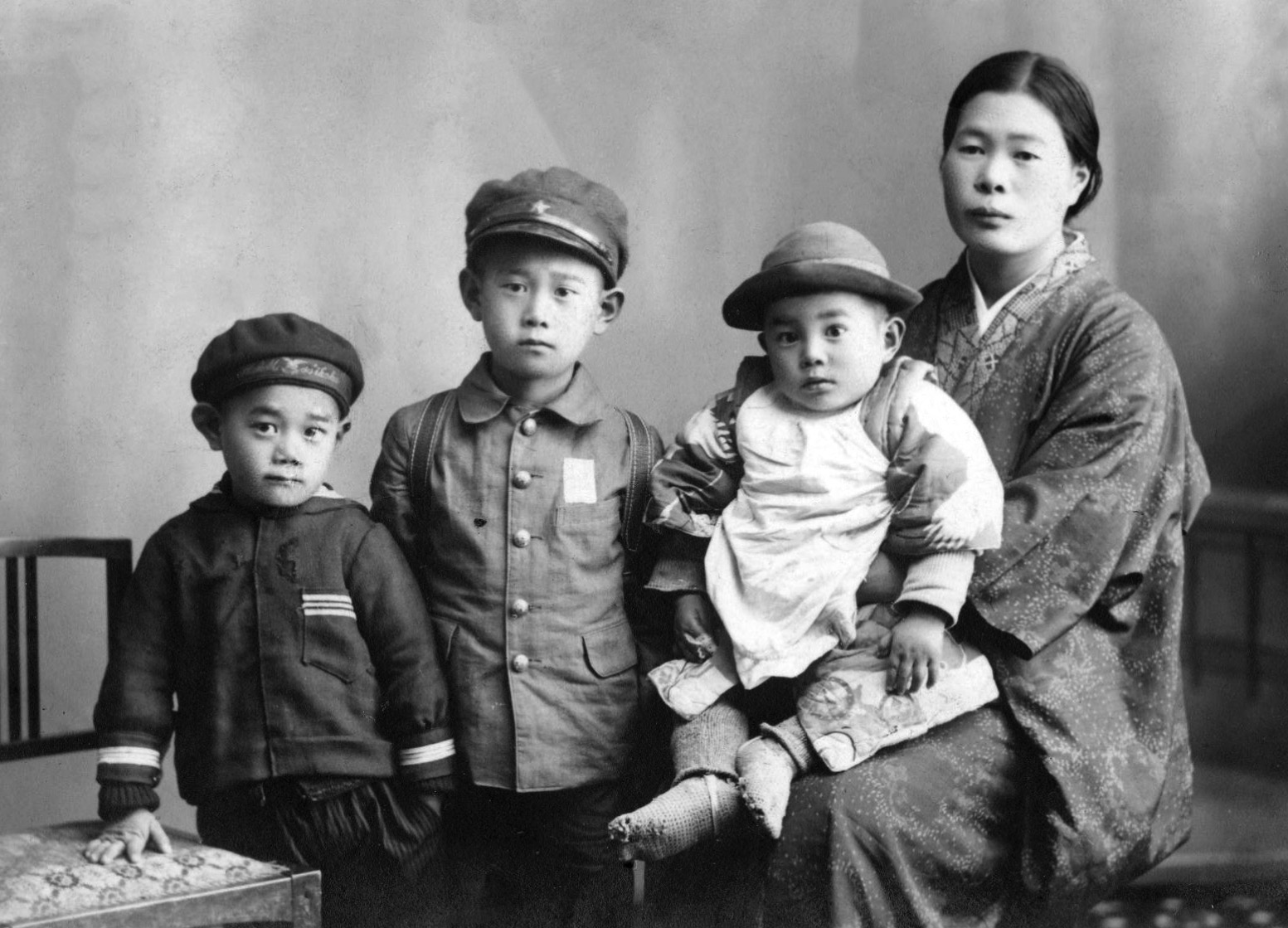 L/R: Hiroshi, Takahaur and Kaneko Yasumura (holding baby) |
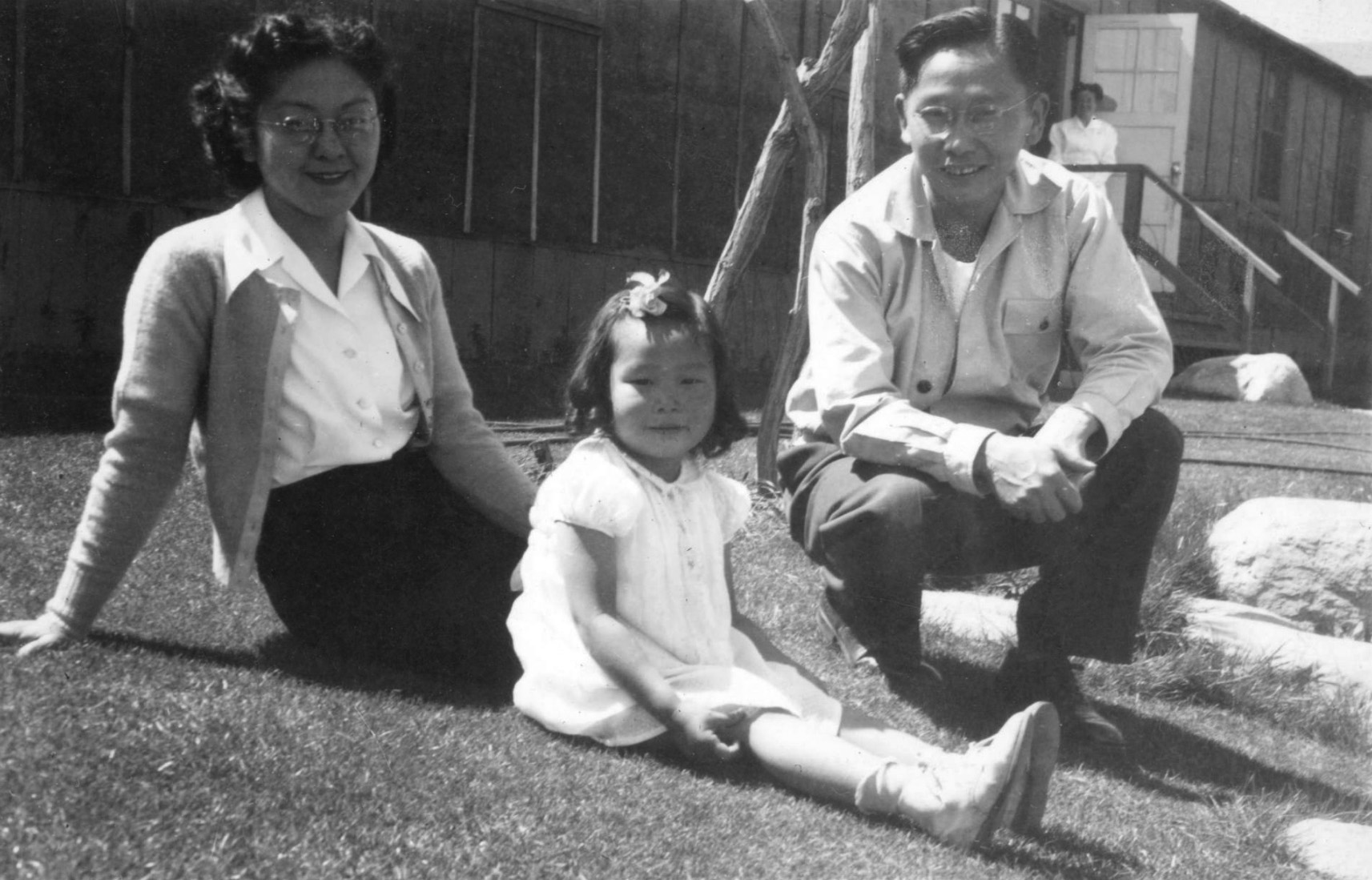 Dr. and Mrs. Jiro Muramoto with their daughter |
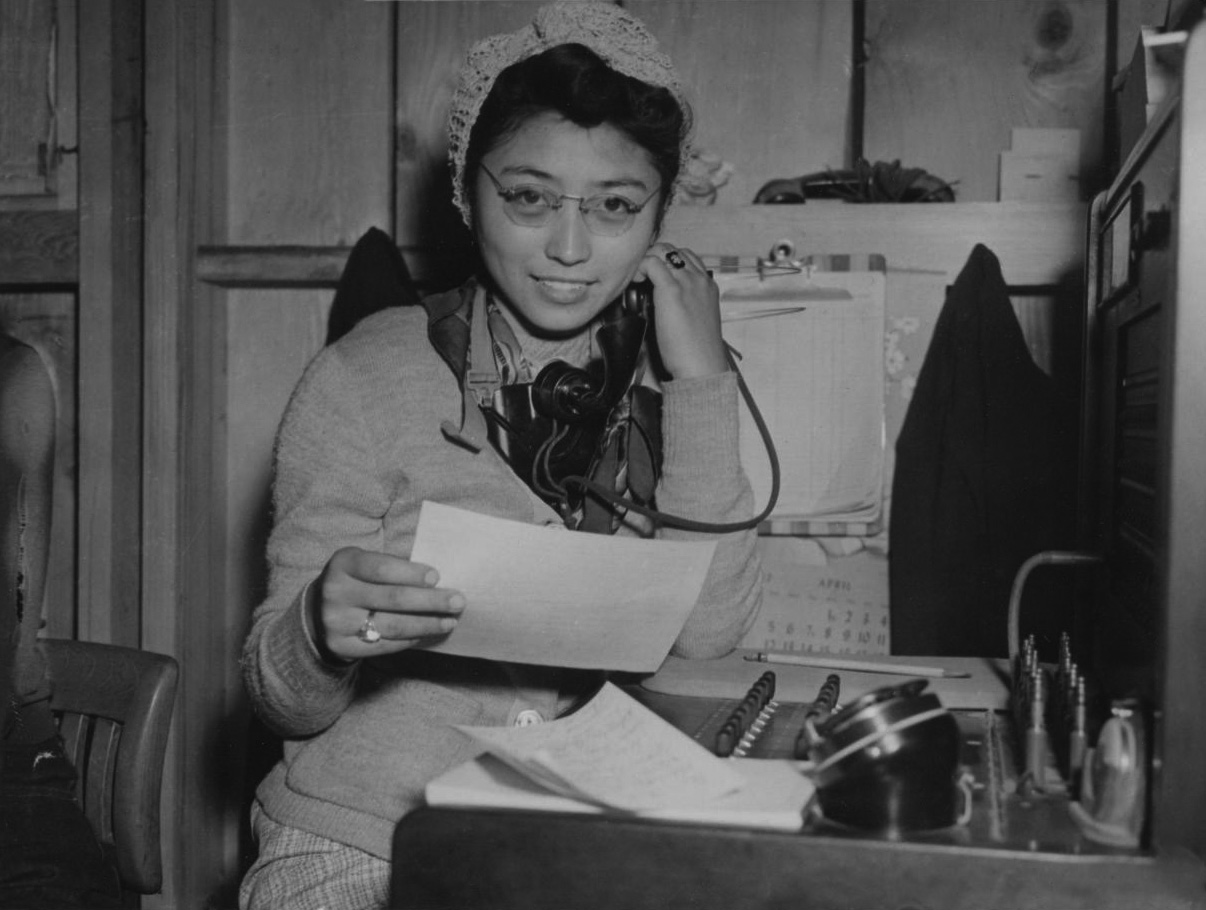 Trudes Osajima Switchboard operator at Manzanar (Photographer Clem Albers- 1942) |
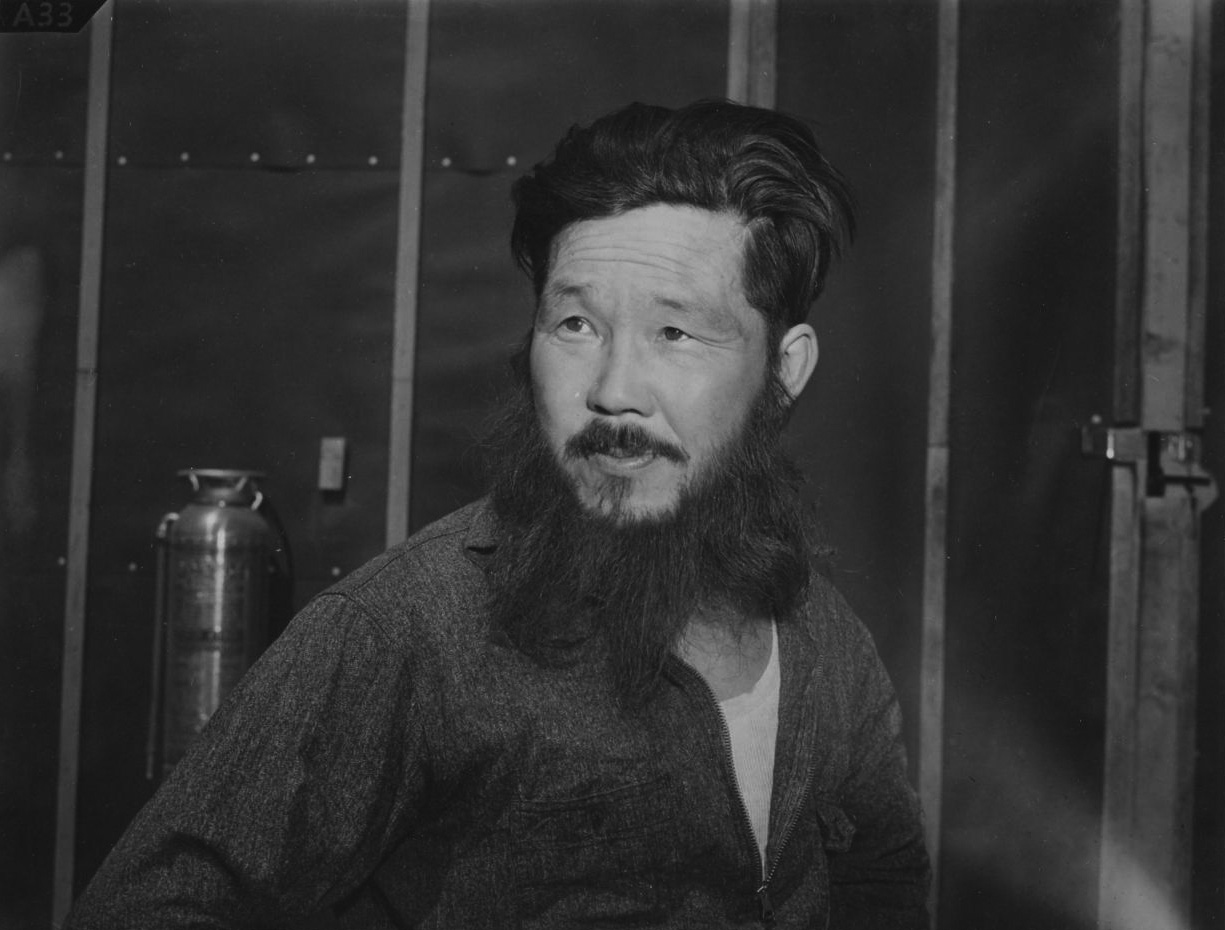 Unknown Switchboard operator at Manzanar - 1942 (Photographer Clem Albers) |
|
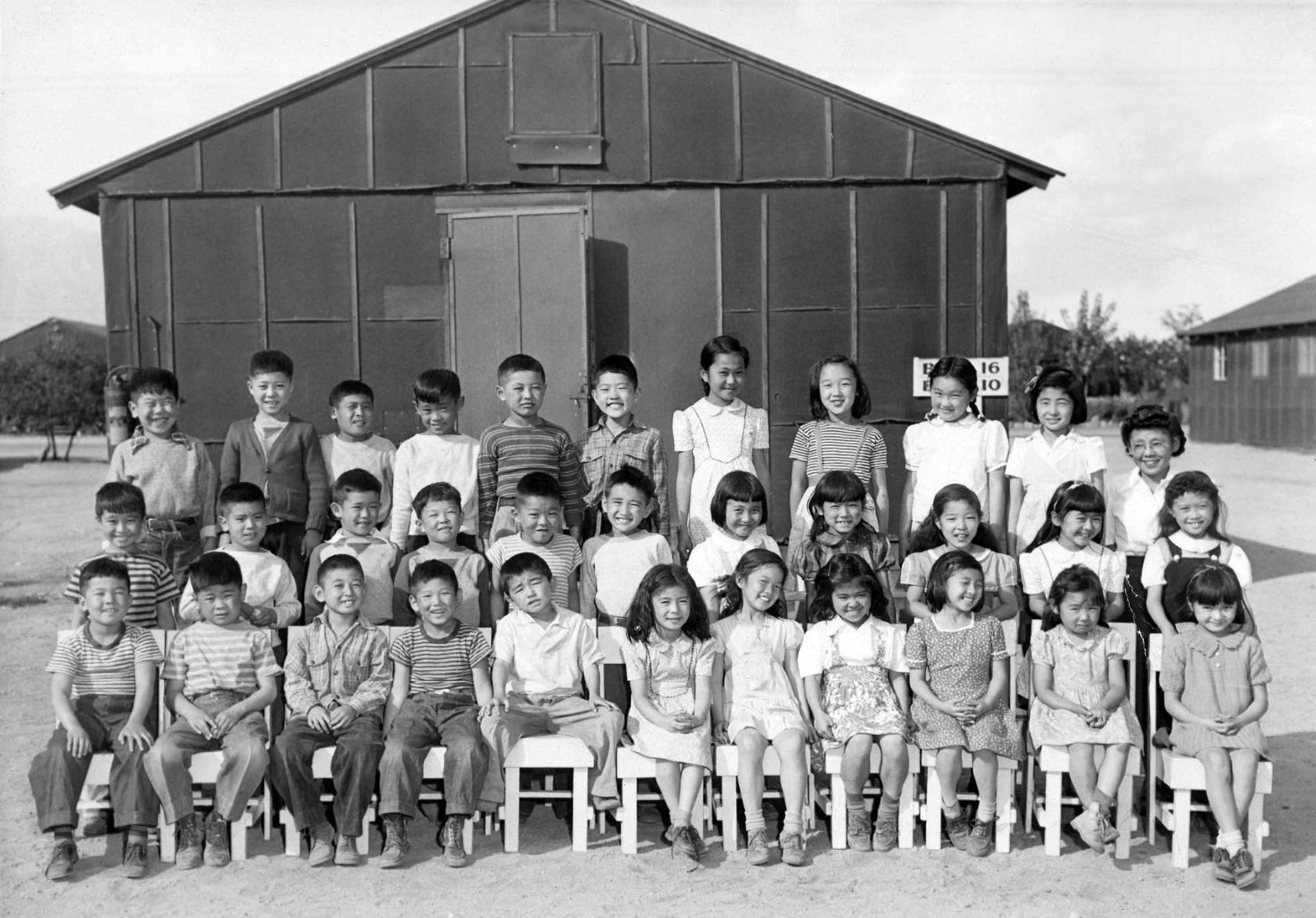 3rd grade class at Manzanar (Photograph courtesy of Calisphere) |
|

|
Vintage Sierra Nevada Panoramas | |
|
Ghosts of the Past - Owens Valley Aqueduct & Cottonwood Sawmill | |
|
20-Mule-Team History |
|
|
More WW2 War Relocation Authority Center History |
 |
Manzanar High School |
|
|
Manzanar Journal - Berry Tamura |
|
|
Manzanar Town, Owens Valley |
|
  Sign Guestbook View Old Guest Book Entries Oct 1999 - Feb 2015 (MS Word) |
 CONTACT the Pigmy Packer |
 View Guestbook View Old Guest Book Entries Oct 1999 - Feb 2015 (PDF) |
 This page was last updated on 20 April 2024