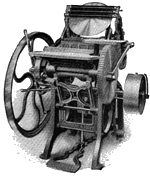
 Owens Valley Newspaper and Historical Pioneer |
||
See USE NOTICE on Home Page. |
 |
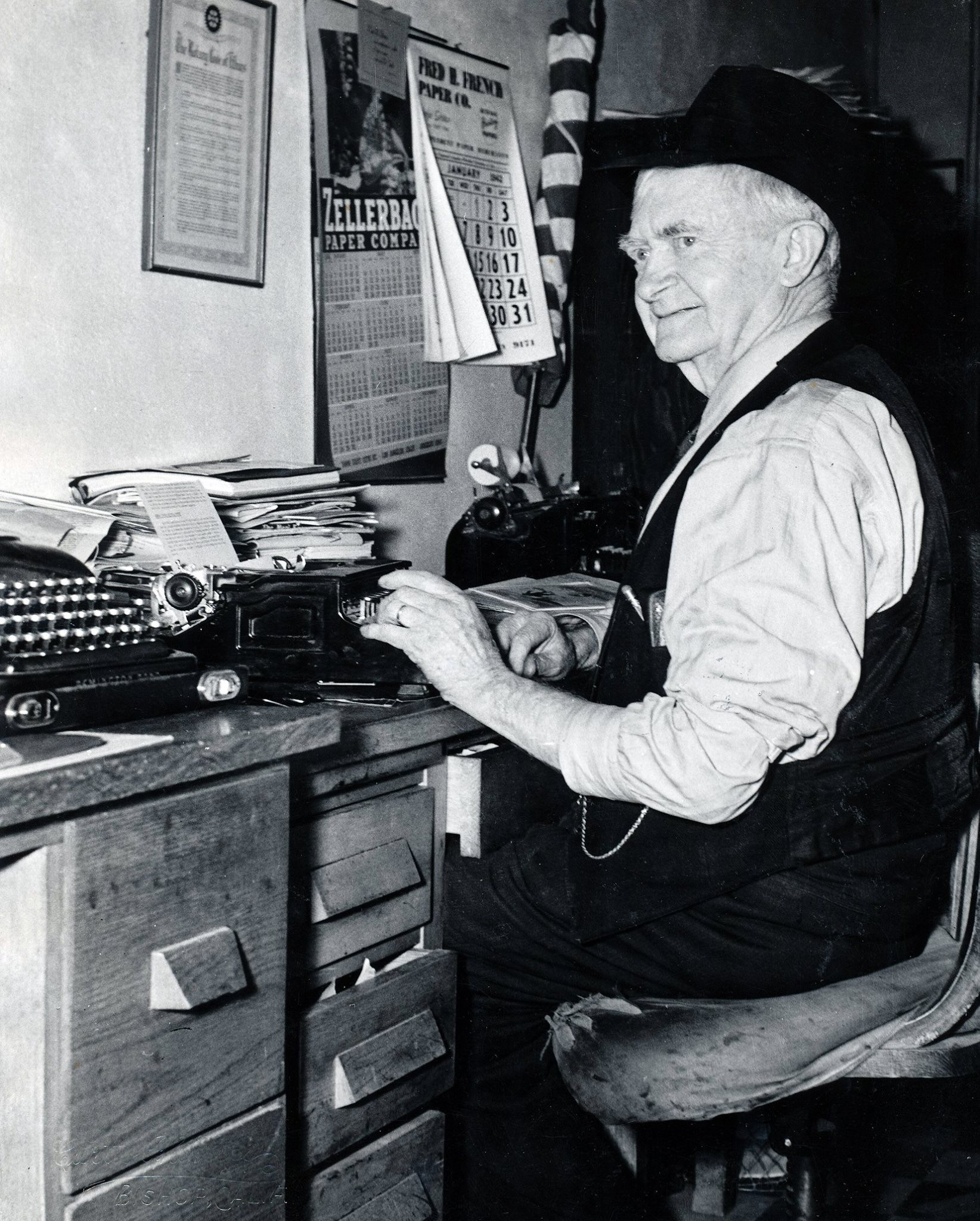 |
P.A. Chalfant's
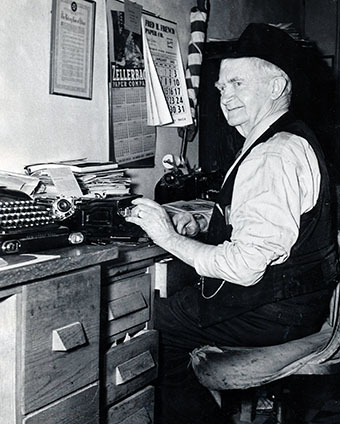
son, W. (Bill) A. Chalfant, assumed the leadership of the newspapers
when his father was elected county assessor in 1887. W.A. Chalfant
oversaw the newspapers until 1942. He remained editor emeritus
of The Inyo Register until his death on Nov. 5, 1945.
W.A. Chalfant remains one of the most beloved journalist figures of the early 20th Century, haing been fondly named the "Dean Of the California Newspaper Editors." His book The Story of Inyo chronicles the history of Inyo County from the original Paiute inhibitants up through the 1920s. Its authentic record of pioneering also includes Paiute life, customs and legends in addition to a brief geological record of the area. It is truly "a must" for the student of California history. |
"The Bill Chalfant Story"
by George W. Savage

|
|
||
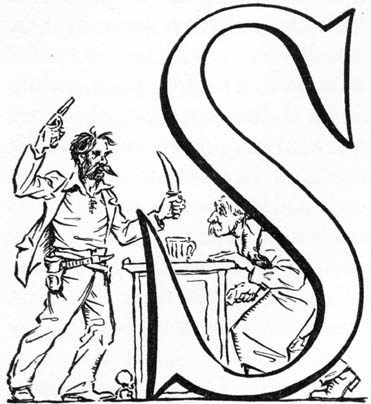 The Bandit |
 The Chinaman |
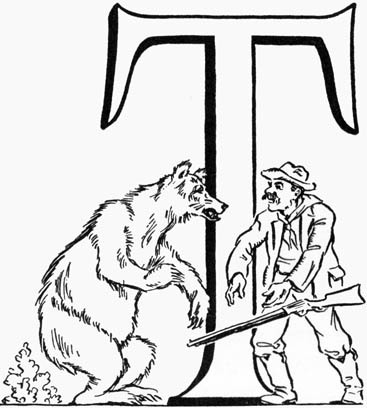 The Bear |
 The Gull |
 The Hanging |
 The Indian |

"Searles and the Grizzly"
excerpt from "Tales of the Pioneers" by Bill Chalfant
 06/21
06/21"Romance of the Oldest Active News Press"
Article courtesy of Hal Eaton
|
(1868 - 1943) |
|
Young Chalfant grew up in a printshop, first at Virginia City's famed Territorial Enterprise where his father worked and then in his beloved Inyo County where he and his father founded the Inyo Register in 1885. Chalfant took over the editor's chair in 1887 and soon had a lifetime battle on his hands: to keep Los Angeles from turning the Owens Valley into a desert by draining its water Chalfant and his paper fought valiantly - both the marauders from Los Angeles headed by Chief Engineer William Mulholland of the Los Angeles-Owens River Aqueduct and "traitors" within the area who gave in to the city's pressure and sold out to Mulholland's agents. Stories, editorials, cartoons - all filled the columns of the Register as the fight continued, but a different kind of story, reports not about the present and future but about the past - began to appear in 1904. 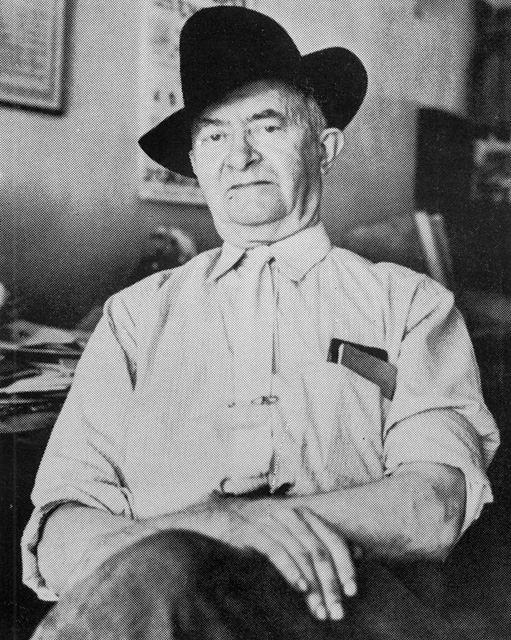 Chalfant had become concerned about preservation of Inyo County's history before the 1870s when written records began to be kept, and he became the self appointed chronicler of the county's robust pioneer years, interviewing those who had been part of its turbulent history and searching newspaper files, official government reports, survey field notes, state legislative journals, county government records, personal archives and books for confirmation and amplification of those accounts. Chalfant's research was the basis of stories and columns in his paper until the week of his death. They began appearing in book form in 1921 with The Story of Inyo. The Story of Inyo was followed by Outposts of Civilization in 1928; Death Valley, The Facts in 1930; Tales of the Pioneers in 1942 and Gold, Guns and Ghost towns in 1947. Chalfant was a familiar and respected figure in Bishop, his paper admired for its sound judgment and courageous opinions. A quiet, even reserved man, he thought his job was to report public affairs, not participate in them. He had firm opinions on many subjects, but those he expressed in editorial columns, not in public forums. Even when he sold the paper in 1942, he continued both on the masthead and in the editorial office. To honor him, the new owners took the name of Chalfant Press for their three papers. The Chalfants' name lives in other monuments to their contribution to Inyo County. Chalfant Valley in the shadow of the 13,000-foot White Mountain Range is famous for its Indian petroglyphs. Summing up Chalfant's 56-year career, John B. Long, manager of the California Newspaper Publishers Association, said, "Angels Camp had its Mark Twain, the Valley of the Moon its Jack London, San Francisco its Bret Harte, and Owens Valley its Bill Chalfant." [Article from the January 1992 issue of The Album] |
|
||
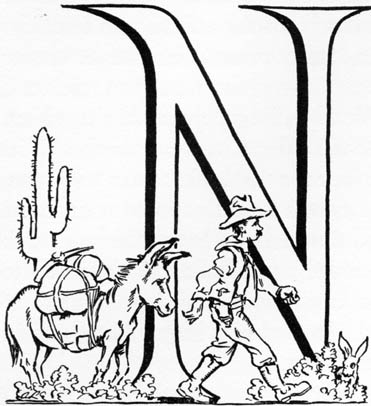 The Jackass |
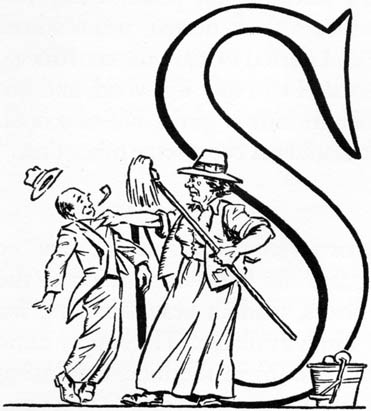 The Man |
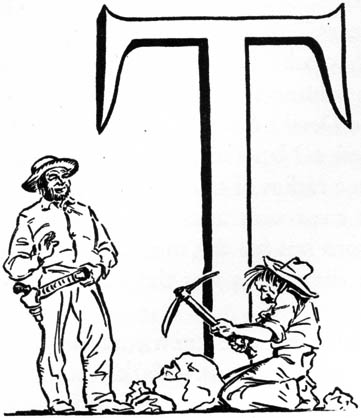 The Miner |
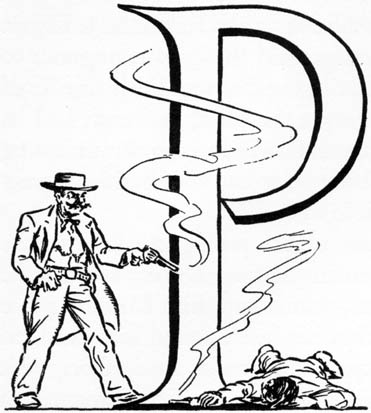 The Outlaw |
 The Politician |
 The Scalper |
"The Lost Cement Mines"
excerpt from "Tales of the Pioneers" by Bill Chalfant
Fifty-five years as editor of the Inyo Register in Bishop, California, gave Bill Chalfant an excellent opportunity to collect pioneer lore. Word-of-mouth tales, notes, and letters deluged his office, and for years he wrote up the stories, running column after column of them in the Register. These same tales have been collected in three volumes: Outposts of Civilization, Tales of the Pioneers, and Gold, Guns & Ghost Towns. These books recount the choicest bits from each of them. Chalfant's anecdotes are more than mere legends or tall tales, for, as Horace M. Albright says: "He was a born historian with the instincts of a careful research technician." People are his most important consideration - people like Mary McCann of Bodie who "asked no odds of anybody, and was mannish in pugnacity as well as in language," and people like Shorty Harris, desert rat and "single-blanket jackass prospector." "Those who have a hankering for the tales of the early Argonauts who thronged west in search of gold will be delighted with the hardtack and salt pork authenticity of Bill Chalfant's stories." 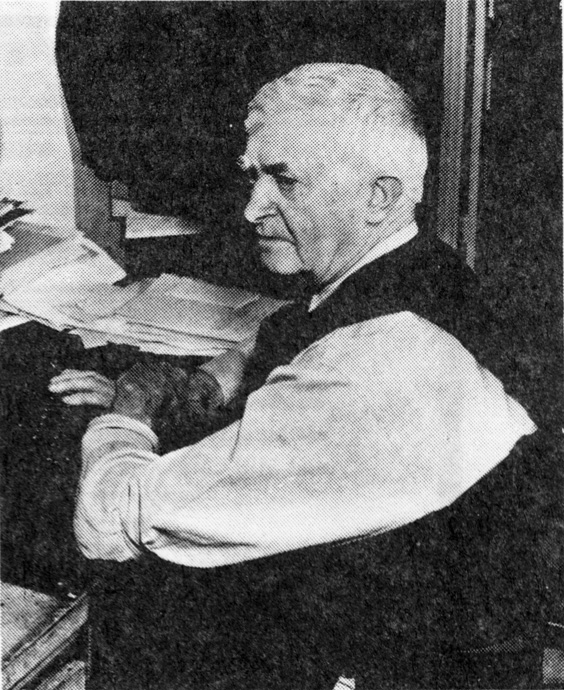 W. A. (Bill) Chalfant was born in Virginia City, Nevada, and lived all his life in the High Sierra. In 1885 his family moved to Bishop, where they started The Inyo Register, the newspaper of which Bill was editor for fifty-five years. His life was full of action - editorial battles fought and won, civic leadership that is typical of a man who knows well whereof he speaks and writes. He remembered vividly the boom days of his Nevada boyhood and had an ever-ready ear for the stories of his father and his contemporaries. His flair for anecdote and his love of people, history, and the Sierra country made the Gold, Guns & Ghost Towns stories possible. Up to the time of his death in 1943, Bill Chalfant was a lover of the outdoors. He was in touch with John Muir, the naturalists from universities, the Sierra Club, government agencies like the National Park and Forest services - all were his devoted friends. |
"Mammoth"
excerpt from "Tales of the Pioneers" by Bill Chalfant
|
||
 The Snowshoer |
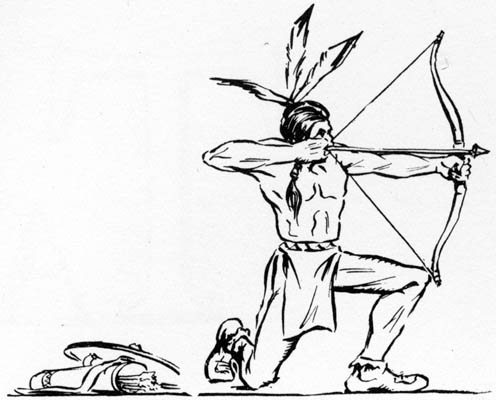 The Indian |
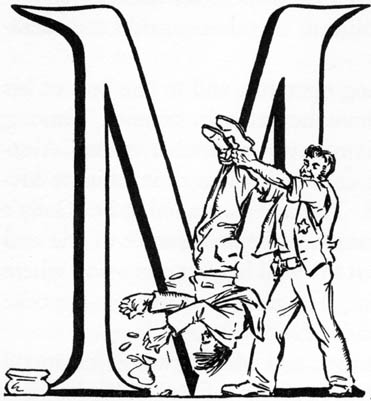 The Law |
"Mile-High Mono Lake"
excerpt from "Tales of the Pioneers" by Bill Chalfant
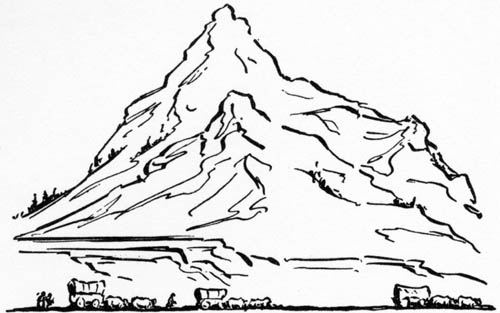 The Wagon Train |
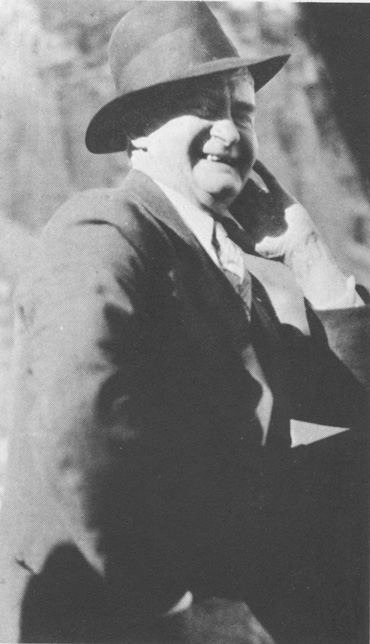 In
addition to Bill Chalfants editorial contributions in the Inyo
Register, books such as The Story of Inyo; Death Valley:
the Facts; Gold, Guns, and Ghost Towns; Tales of the Pioneers; and Outposts of Civilization have made Willie Chalfant
a premier historian of the Owens Valley / Inyo County and Death
Valley area. He is indeed a "favorite son." He has
not only told, what I feel to be, the historically true story
of the Owens Valley water conflict with Los Angeles (in The Story
of Inyo); but, he has left us a glimpse of what Owens Valley,
Death Valley and Inyo County were like from the late 1880s up
through the mid 20th century. In
addition to Bill Chalfants editorial contributions in the Inyo
Register, books such as The Story of Inyo; Death Valley:
the Facts; Gold, Guns, and Ghost Towns; Tales of the Pioneers; and Outposts of Civilization have made Willie Chalfant
a premier historian of the Owens Valley / Inyo County and Death
Valley area. He is indeed a "favorite son." He has
not only told, what I feel to be, the historically true story
of the Owens Valley water conflict with Los Angeles (in The Story
of Inyo); but, he has left us a glimpse of what Owens Valley,
Death Valley and Inyo County were like from the late 1880s up
through the mid 20th century. In his Story of Inyo, Bill Chalfant records the following concerning the construction of the Owens Valley Aqueduct by the city of Los Angeles. "The valley has since been driven to a status unique in California - that of facing a hopeless future. It is unbelievable that such a valley can revert to primitive waste; but the evil already done was equally unbelievable a dozen years ago, and changes are continually for the worse. Private greed combined with municipal ambition to needlessly ruin one of the most attractive homelands of the West. Inyo has been made a sacrifice to maladministration, incompetent plans and management, evil intentions and performance. It is entitled to have the facts known. While one writing of matters within his own time and contacts is open to charges of bias, this record rests on undeniable details which speak for themselves. Inyo County has invited the most rigid inquiry into a situation in which not a year, much of the time hardly a month, was uneventful. " If this brief historical statement has wet your appetite about the water that once belonged to Owens Valley, then I suggest you read The Story of Inyo and visit my web pages on the Owens Valley water conflict. |
"Dead Mining Camps and Ghost Towns"
excerpt from "Gold, Guns and Ghost Towns" by Bill Chalfant
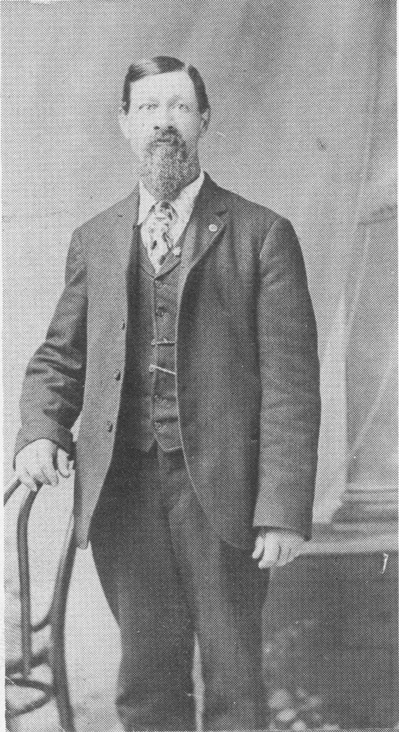 Mr. McLaren |
|
|
||
 The Desert Ship |
 The 49'er |
 Out West |
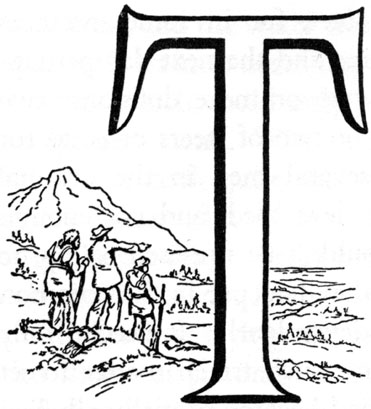 The Argonauts |
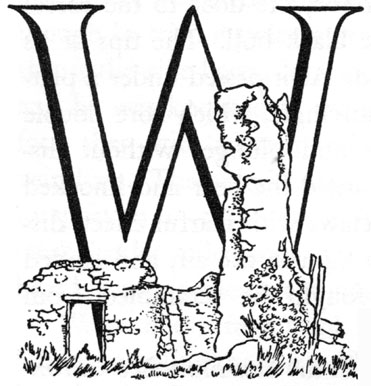 The Ghost Town |
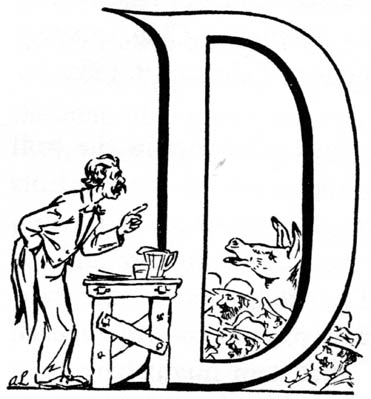 The Orator |
"Tall Tales"
excerpt from "Gold, Guns and Ghost Towns" by Bill Chalfant
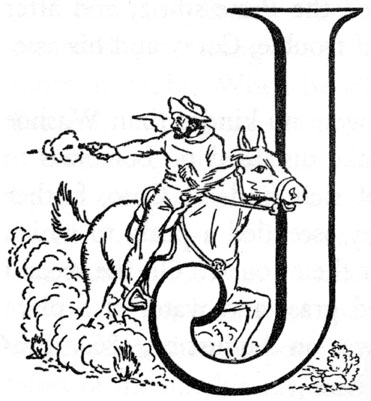 The Outlaw |
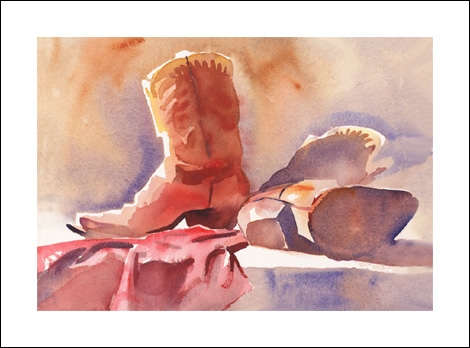
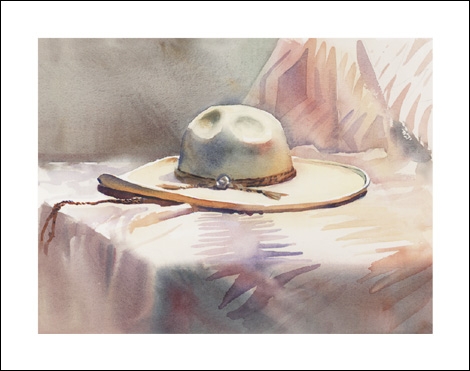
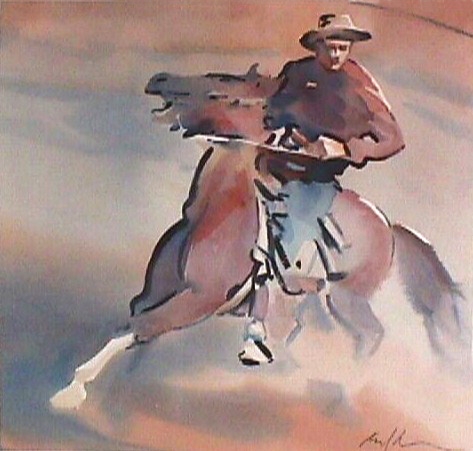
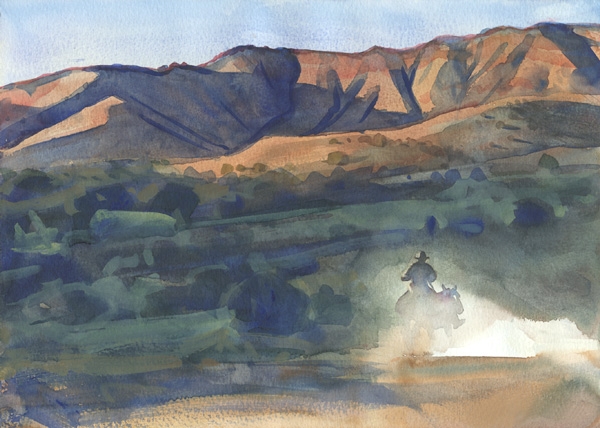
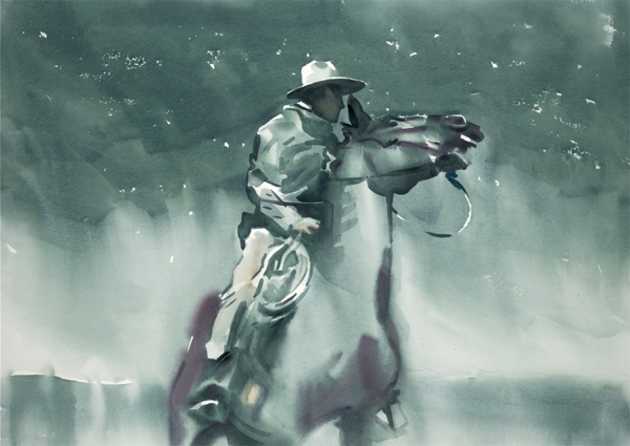
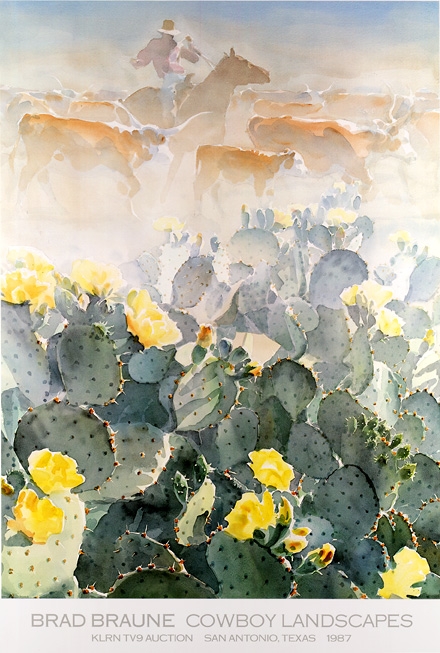
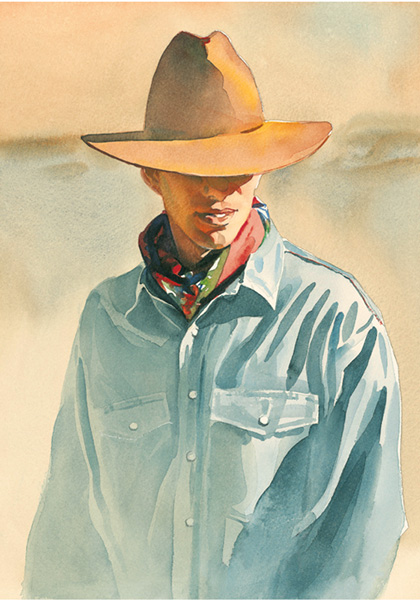
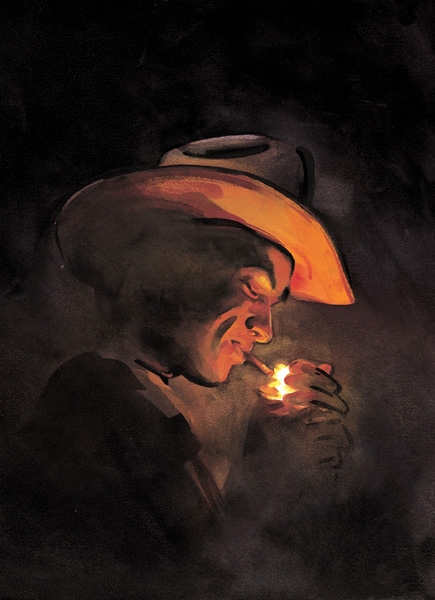
Thanks to Brad Braune for allowing me to use his paintings
as backgrounds on these W. A. Chalfant pages. |
|
Tales
of the Pioneers (1942) The Story of Inyo (1933) Outposts of Civilization (1930) Death Valley Facts (1927) Gold, Guns and Ghost Towns(1911)  Making "out of print"
and "hard to find" books easier to find. Making "out of print"
and "hard to find" books easier to find. |
 What can I say, other than I love Brad's work. His watercolors remind me much of Charlie Russel. Granted they are no where near the same; but, Brad has an aura about his paintings that seems to set him apart from much of the traditional work. I encourage you to drop by, pay his site a visit and enjoy the heart of the west he is capturing for all of us to enjoy! |
||
|
|
|
|

|
|
|
|
|
 |
Saline Valley Saltworks Tramway | |
|
|
Carson & Colorado Railroad | |
|
|
High Sierra Pack Stations | |
|
Manzanar Town, Owens Valley |
 |
|
|
Norman Clyde |
|
|
Packing 50 Years Ago by Ike Livermore |
|
  Sign Guestbook View Old Guest Book Entries Oct 1999 - Feb 2015 (MS Word) |
 CONTACT the Pigmy Packer |
 View Guestbook View Old Guest Book Entries Oct 1999 - Feb 2015 (PDF) |
 This page was last updated on
24 April 2024
This page was last updated on
24 April 2024